 Lorena G.
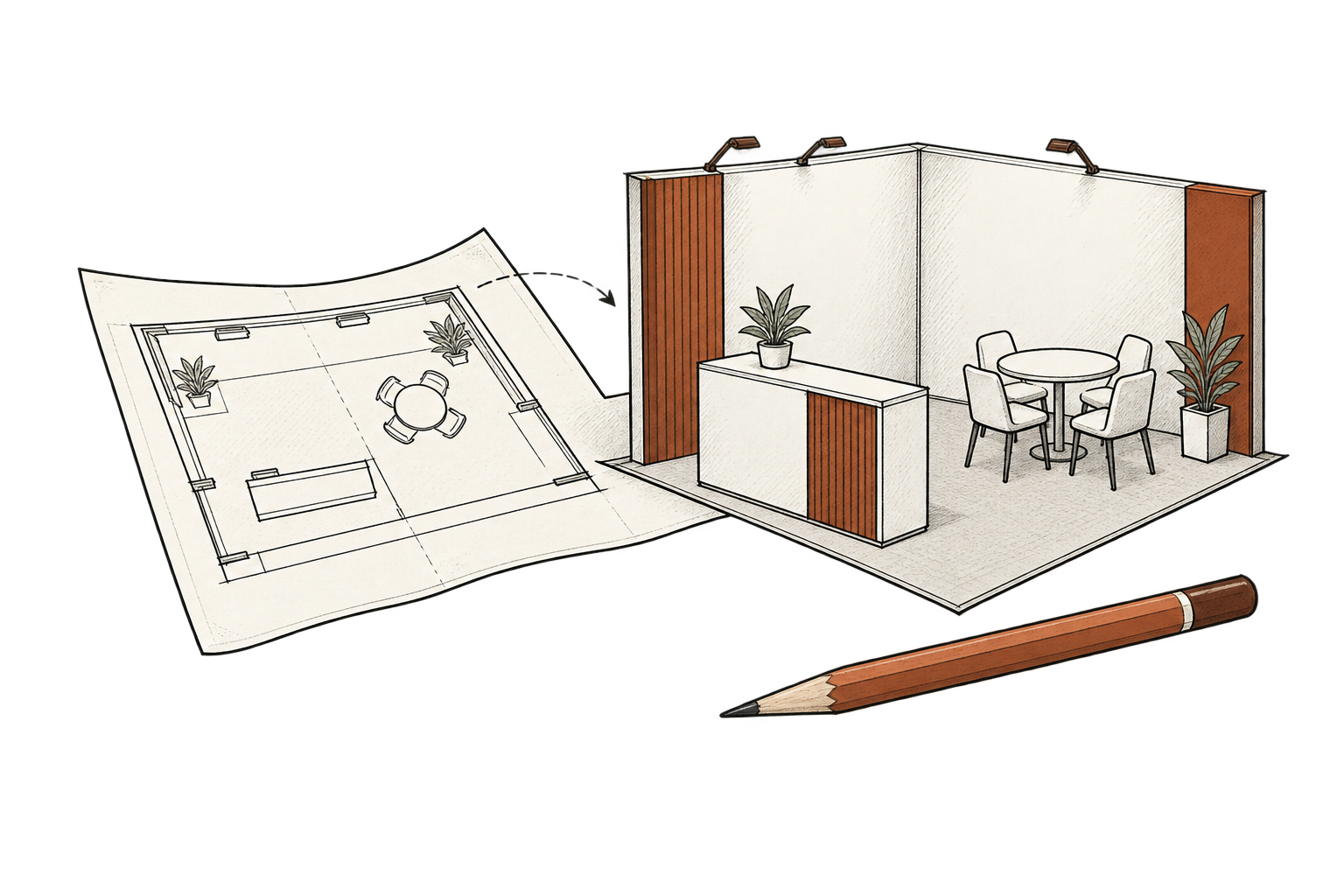
Designing an effective 20×20 trade show booth can be challenging due to its mid-sized space. These booths are often large enough to allow for creative trade show layouts, but small enough to require careful planning.
Crafting a balance between space and functionality is crucial.
Since navigating this medium-sized booth can sometimes be tricky, strategic layout is essential to attracting visitors.
You need to make every square foot count while ensuring a smooth experience for attendees.
Making the most of both horizontal and vertical dimensions is key.
When planning your booth, tailoring your design to accommodate visitor interaction is critical.
Creating zones with distinct purposes can enhance engagement and make your booth more inviting and functional. Adequate flow and navigation contribute significantly to visitor satisfaction.
By the end of this article, you will have a set of creative ideas to enhance your booth’s layout.
I will walk you through six practical strategies to get the most out of your booth’s potential, ensuring it’s designed sharply for both aesthetics and accessibility.
- Use vertical space for signage and displays.
- Create zones for product demos and meetings.
- Incorporate interactive elements for engagement.
- Ensure clear pathways to avoid congestion.
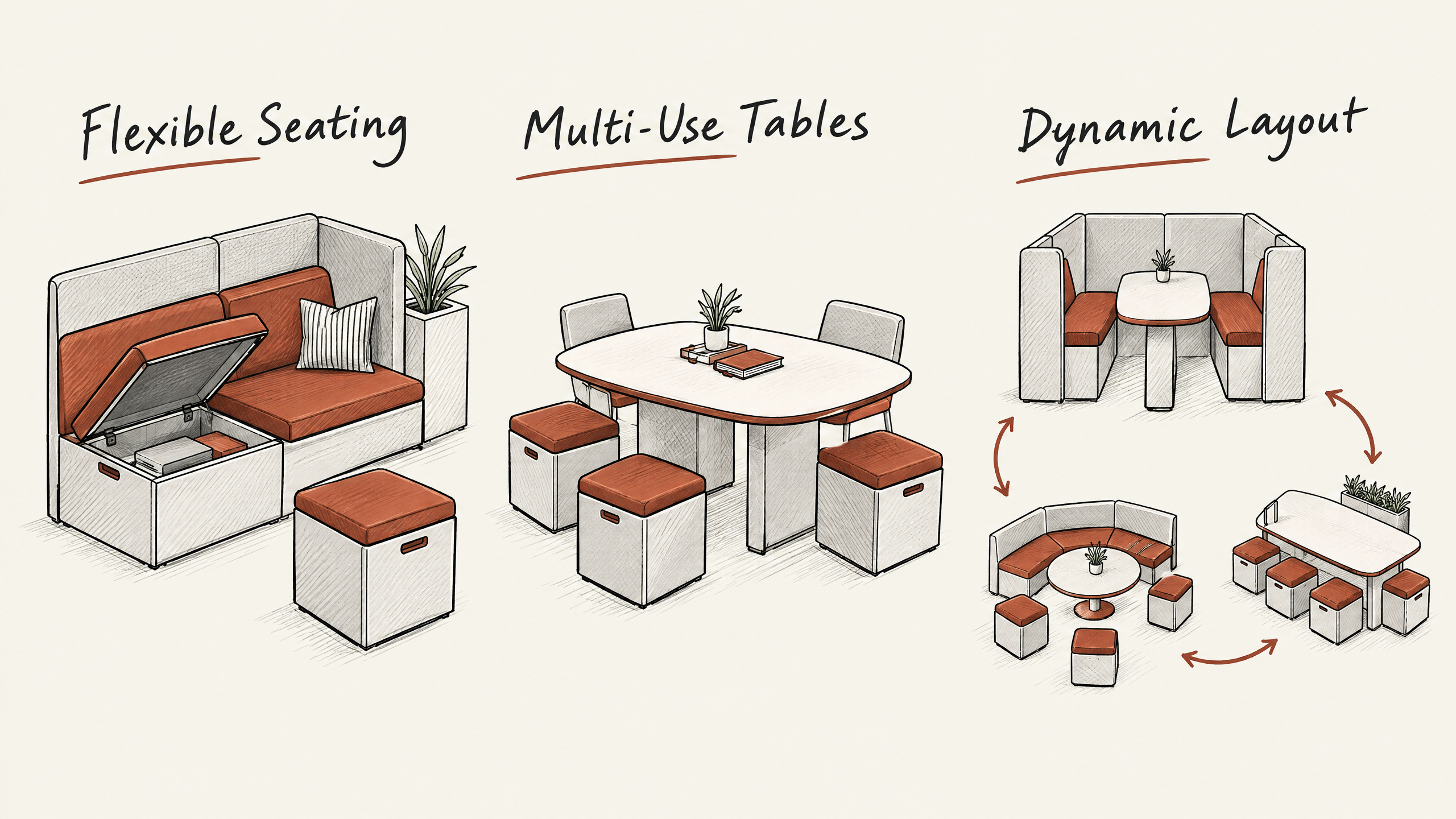
- Utilize modular furniture for flexibility.
Using vertical space and creating zones can help improve your booth.
These ideas can guide you in making decisions on layout and furniture selections.
1. Plan Your Layout Around Visitor Flow
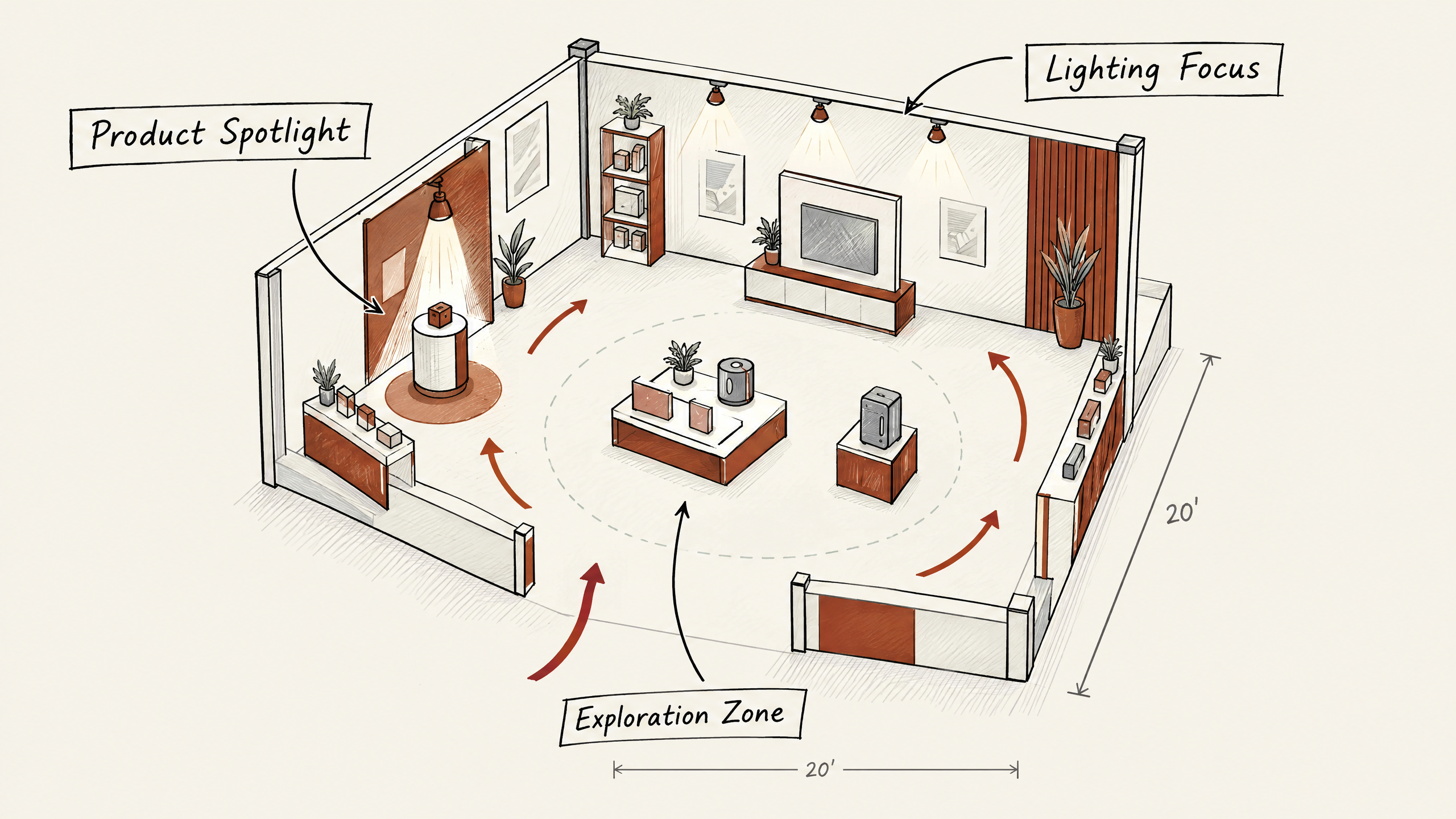
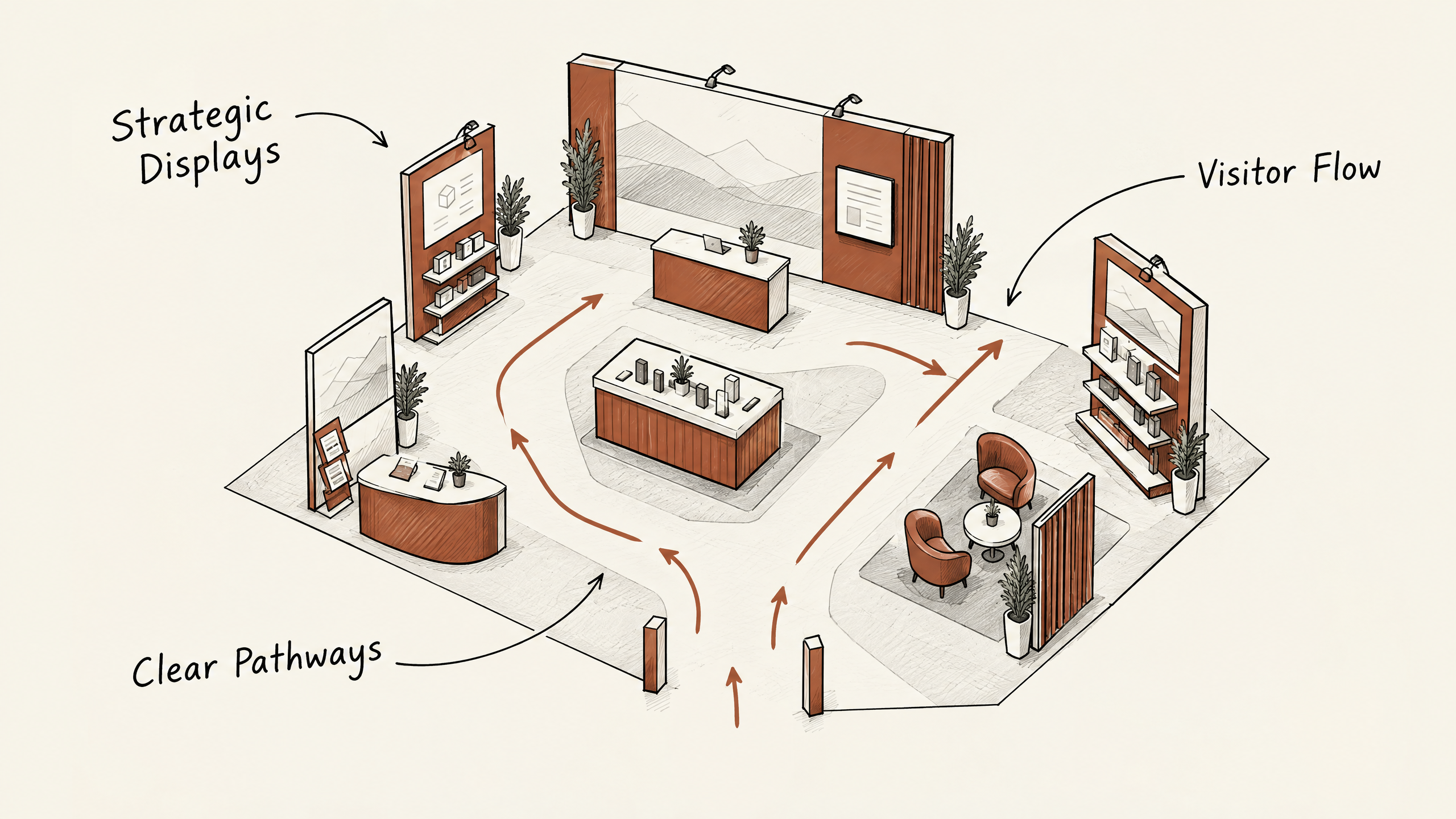
When designing a 20×20 trade show booth, one of the most crucial factors to address is the flow of visitors through the space.
The layout should facilitate a natural progression, drawing attendees in and guiding them through your booth without bottlenecks. Proper planning can improve engagement and make sure that key components of your display receive adequate attention.
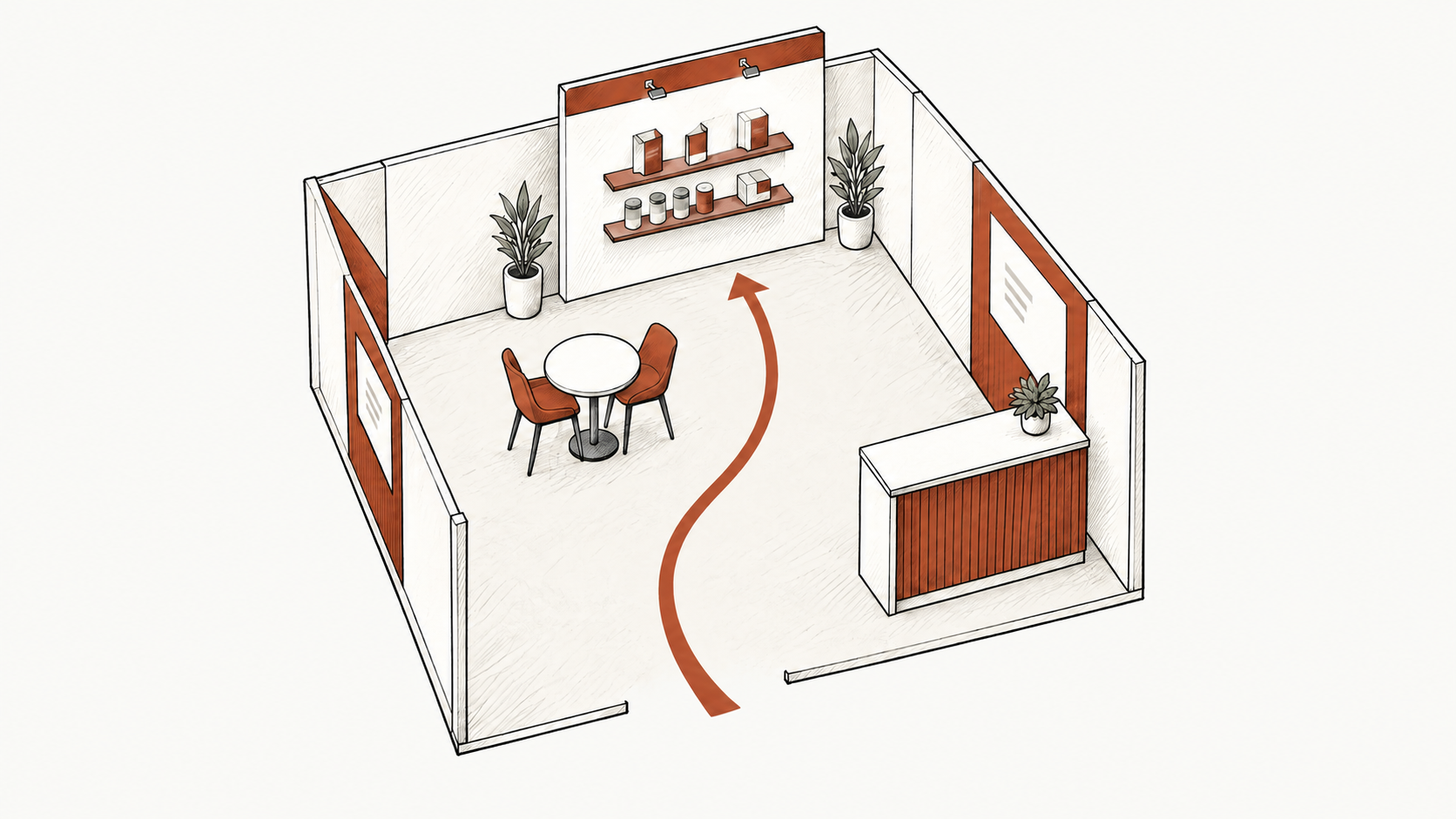
A clear entry and exit point is essential.
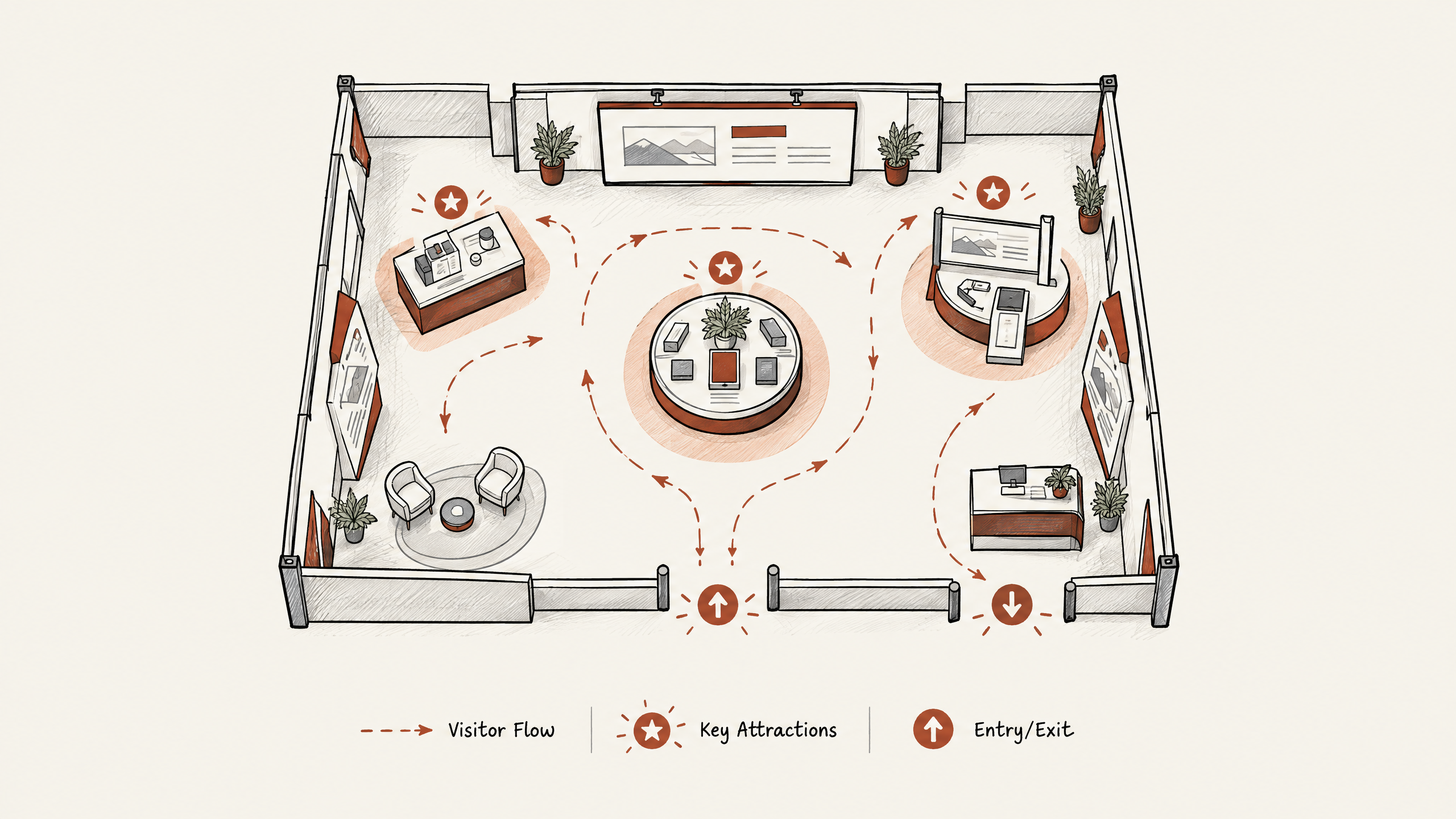
Your entrance should be inviting, offering an unobstructed path that allows visitors to easily enter and exit.
Consider sightlines make sure that your main attraction is visible from several angles, encouraging passersby to stop and explore further.
In addition to physical design, think about the psychological journey you want visitors to experience.
What do you want them to see first?
Use strategic signage and displays to highlight key offerings early, sparking interest as soon as they enter the booth.
One common mistake is not allocating enough space for mingling and interaction.
Your booth should not only have a compelling design but also enough room for staff and guests to move around comfortably.
Leave space for demos, discussions, and transactions without jostling against others.
At Exhibitant, we emphasize the importance of thoughtful layout planning. Our team works with you to create experiences that are not only visually appealing but also practical for visitor engagement.
By prioritizing flow, you can make your booth both welcoming and effective.
2. Use Vertical Space Effectively
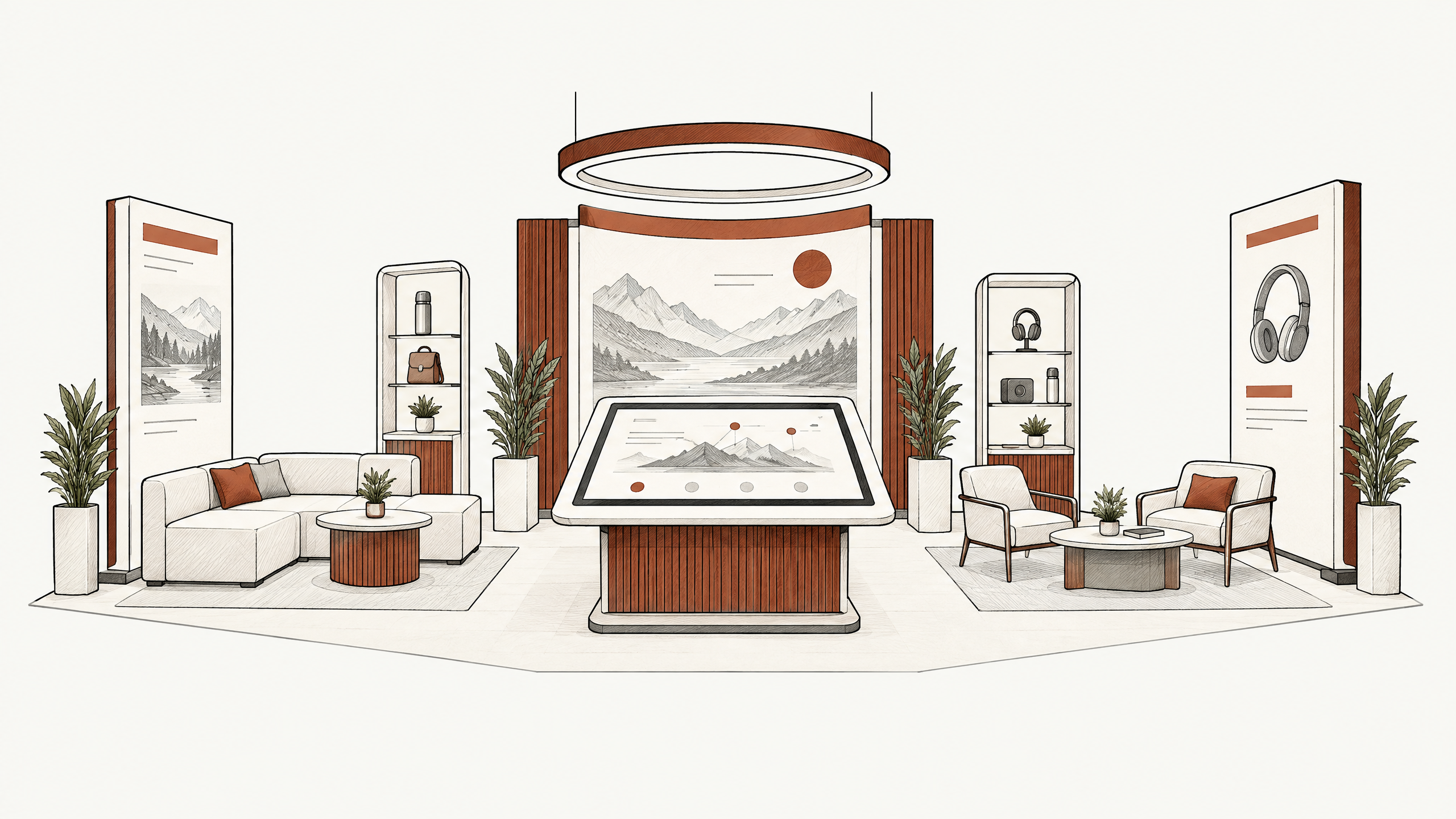
In a 20×20 trade show booth, utilizing vertical space can greatly enhance your display’s impact.
While floor space is limited, there is often untapped potential above eye level.
Vertical elements such as banners or hanging structures draw attention from afar and guide visitors towards your booth.
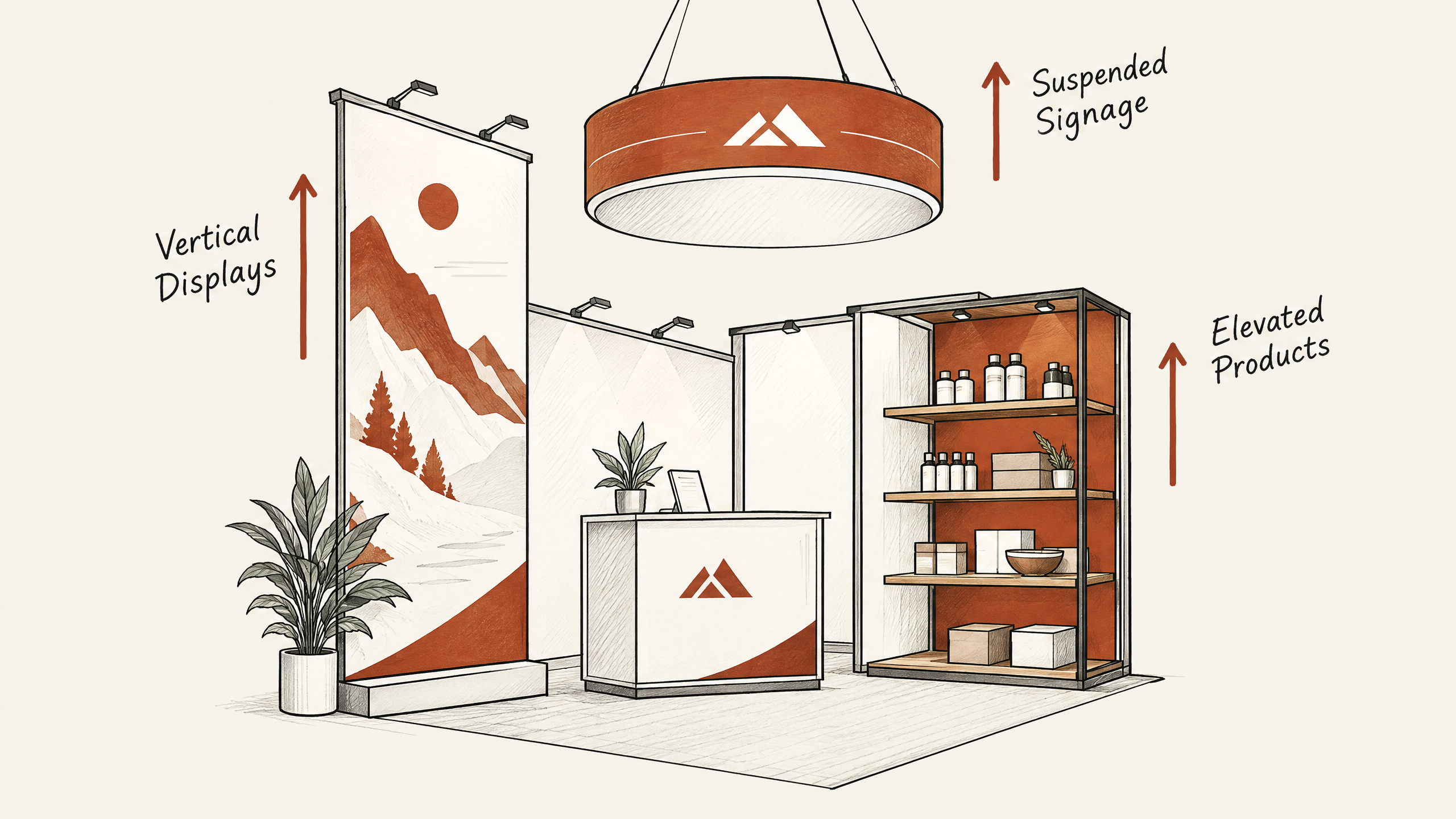
When used creatively, these elements can make a striking statement.
Begin by assessing which visual elements can be elevated. Consider signage that highlights your brand or products.
Suspended signs not only save ground space but also make sure your booth remains visible even in a crowded venue.
Hanging signs can be customized to various shapes, offering a unique design aspect tailored to your brand.
Next, explore installing shelving or display stands that rise vertically rather than spreading horizontally.
This increases your display area without cluttering the floor.
Pro Tip: To get the most out of your trade show booth’s impact, elevate visual elements like banners and shelving, and use lighting to highlight key messages.
Feature products at different heights to catch the eye from various angles. A well-arranged vertical display not only looks organized but also encourages visitors to explore further.
Finally, enhance your vertical setup by incorporating lighting elements. Employ spotlights or accent lights to highlight key messages on suspended fixtures.
That way, important information is not only elevated but also emphasized.
Proper lighting ensures that your vertical space adds value to the brand experience, rather than becoming mere decoration.
A common mistake is to underutilize the vertical space or fail to align it with the overall booth theme. Integrate vertical elements thoughtfully into the broader design.
This cohesive approach ensures that your vertical enhancements contribute to a polished, engaging environment that draws in visitors from across the exhibition floor.
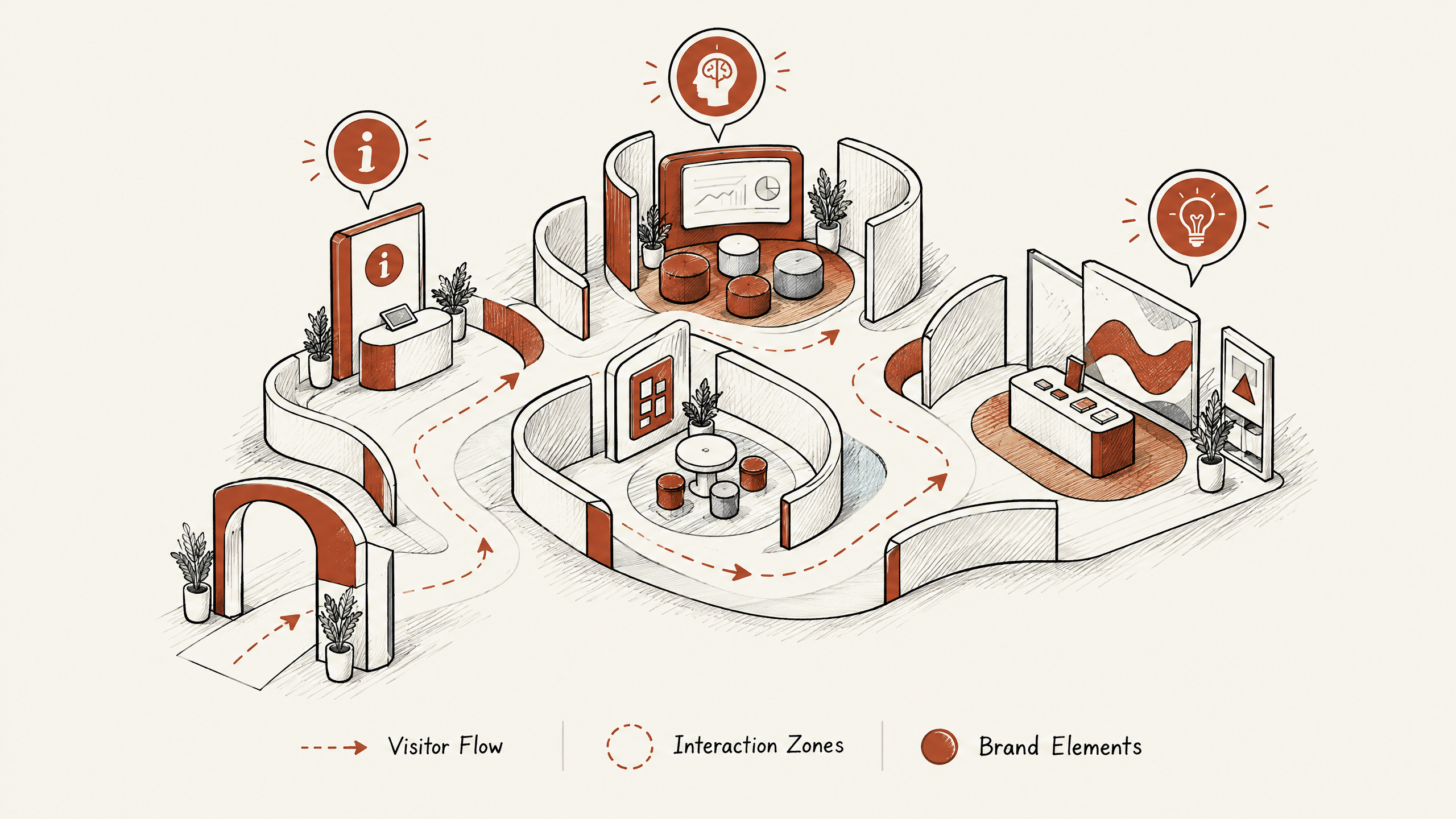
3. Create Interactive Zones
Building interactive zones within your 20×20 trade show booth can greatly enhance visitor engagement.
These areas encourage guests to actively participate with your products or services, leaving a more lasting impression.
By focusing on interaction, you can transform passerby interest into meaningful conversations and connections.
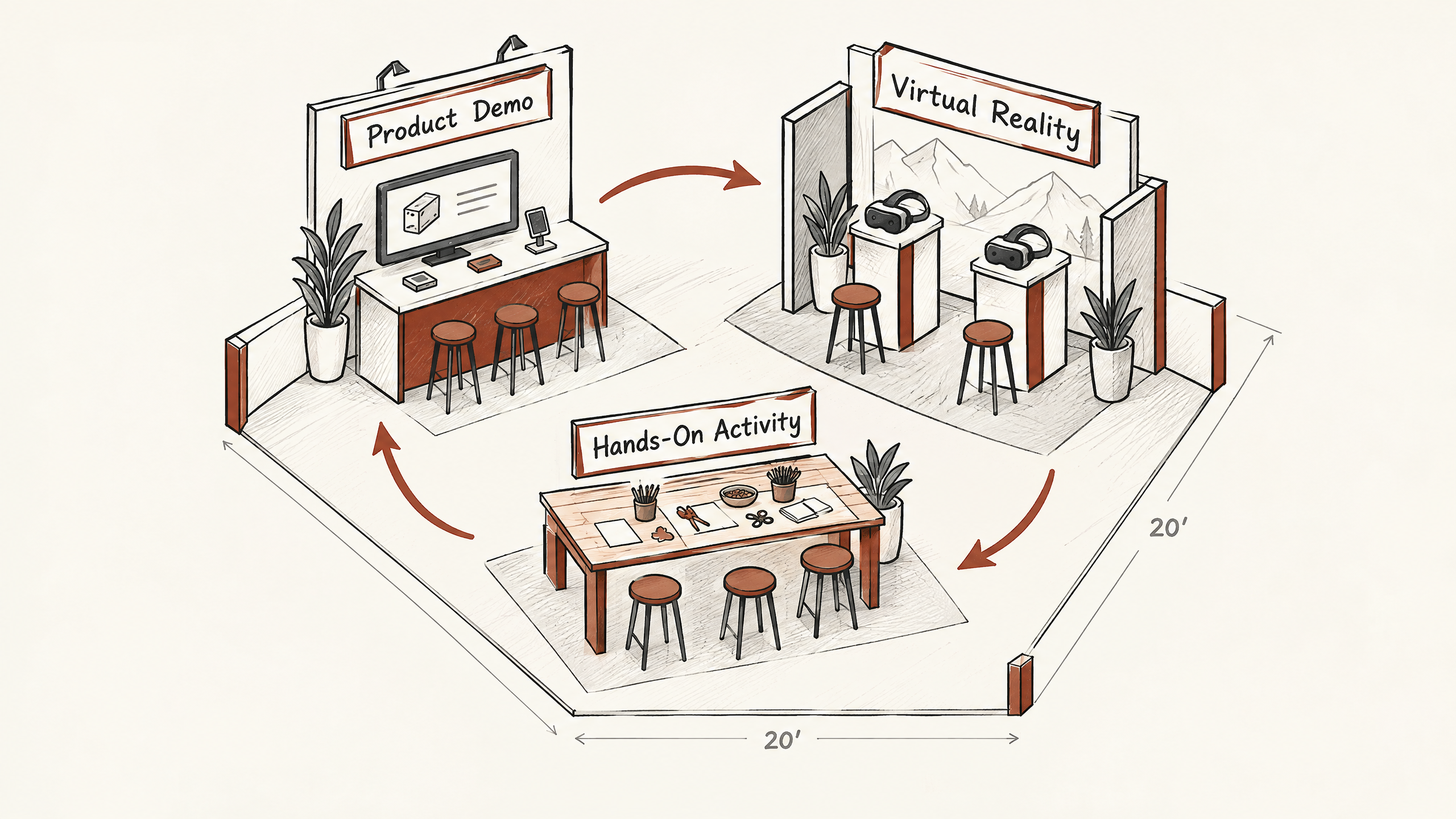
This is where Exhibitant‘s expertise comes in handy, as we assist in crafting layouts that purposefully boost visitor interaction.
Your first task is to determine the type of interaction you want visitors to engage in. Are you demonstrating a product, offering a virtual reality experience, or encouraging a hands-on activity?
Choose the form that best aligns with your goals and resources.
For example, a company showcasing software might set up a demo station where potential clients can test the product.
Meanwhile, a manufacturer of physical goods might benefit from a tactile exhibit where visitors can handle the products.
Once the interaction type is set, it’s essential to arrange the physical space to facilitate this engagement. A common mistake is placing interactive elements in such a way that they obstruct visitor flow or confuse attendees.
Use barriers such as low partitions or displays to subtly guide visitors to the zones, ensuring they remain organized and accessible.
Keep signage clear, so attendees know what to expect and feel welcome to participate.
From a staffing perspective, make sure your team is prepared to manage these zones efficiently.
Train them on how to engage with visitors, answer questions, and invite participation.
Having designated staff members monitor these zones will prevent congestion and make sure each guest has the opportunity to interact meaningfully.
A practical checklist for creating interactive zones includes:
- Identifying the optimal interaction type for your products
- Designing space layouts that facilitate smooth flow
- Ensuring engaging, clear signage and instruction
- Training staff to manage interactions effectively
Remember, successfully designed interactive zones turn passive observers into active participants, significantly enhancing your booth’s impact. Your team’s ability to create memorable experiences within these zones is what will set your booth apart from the competition.
 Louie J.