Setting up a trade show booth can be as daunting as it is exciting. From what I have seen, the process of installation and dismantling often presents a multitude of challenges that can lead to unnecessary stress and frustration.
These common issues can turn what should be an energizing experience into a time-consuming hassle.
One of the key frustrations in this industry is how frequently small details go unnoticed.
Whether you’re dealing with a simple miscommunication among team members or an overlooked booth measurement, even minor oversights can snowball into major headaches.
I’ve often noticed that these problems have a sneaky way of appearing when you’re racing against the clock.
From my experiences, I would say that time management is a crucial element. The hectic environment of a trade show leaves little room for errors, so having sufficient time and an effective tool strategy is essential.
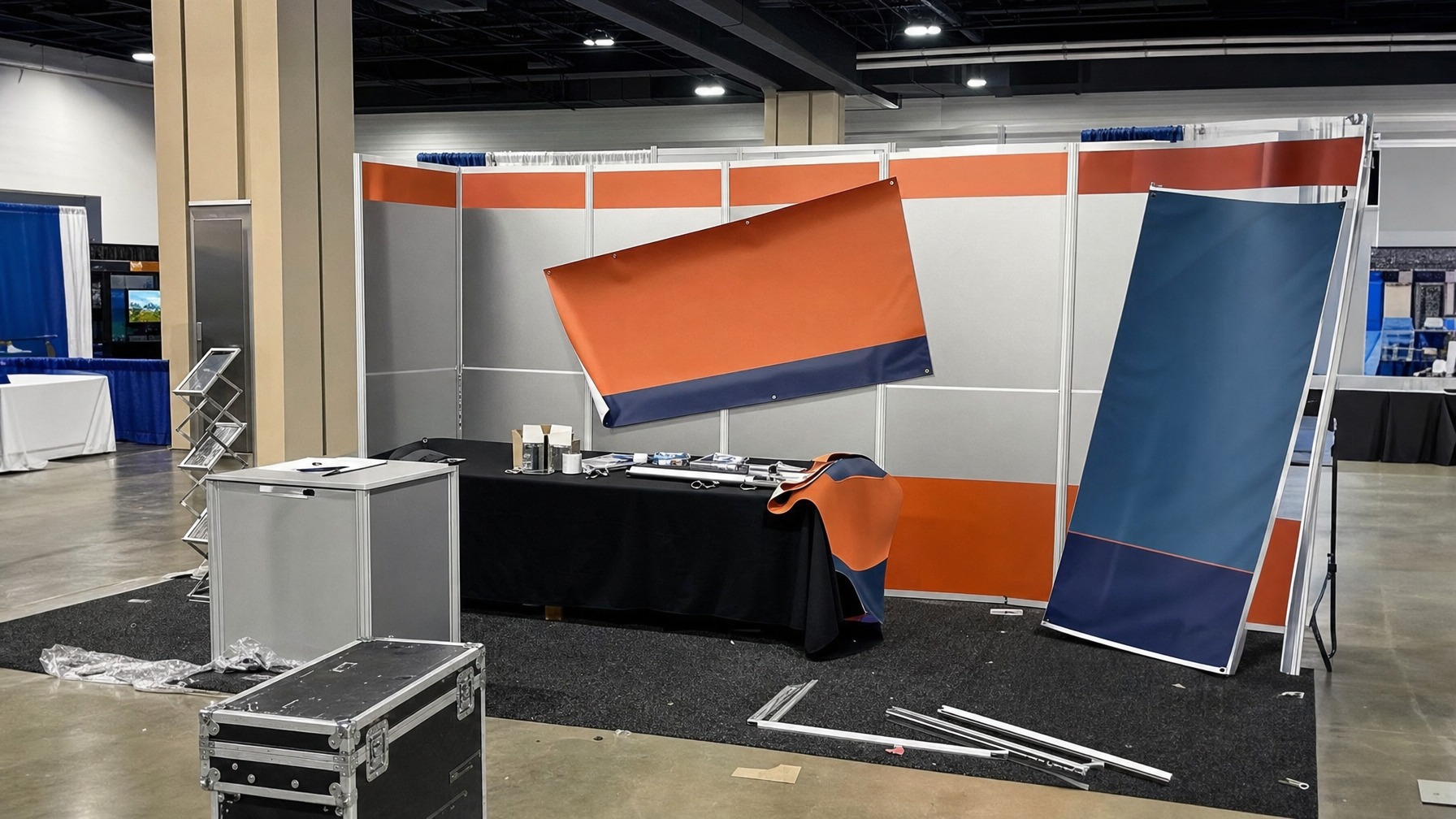
Missing or damaged parts and insufficient installation time are frequent pitfalls that can delay the entire setup process.
Today, I want to cover seven common installation issues and how to solve them quickly. Each section will guide you through specific problems and provide straightforward solutions to make sure your trade show experience runs as smoothly as possible.
Key Takeaways:
Identify potential issues early to prevent costly delays.
Ensure clear communication among the installation team.
Have backup materials for unforeseen damages.
Allocate sufficient time for complex installations.
Use a checklist to streamline the process.
You’re about to try the details that can save you from headaches.
Knowing how these issues arise and what to do about them makes all the difference.
You’ll find practical tips that can be easily applied, making your next installation smoother.
Stick around to gain the knowledge that turns challenges into quick fixes.
1. Miscommunication Among Team Members
Miscommunication amongst installation teams is a frequent issue that can derail the entire setup process.
With the fast-paced environment of trade shows, it’s crucial that everyone is aligned on their tasks and the overall strategy. What we have seen work really well is establishing a clear chain of command to minimize the chances of crossed wires.
When roles and responsibilities are clearly defined from the get-go, team members are far less likely to duplicate efforts or miss important tasks.
Many teams benefit from having a centralized communication hub where every team member can access necessary information and updates.
Something that comes up a lot is using project management tools or apps, which allow real-time communication and smooth file sharing. This approach can eliminate confusion, especially when last-minute changes need to be communicated effectively.
Regular check-ins or pre-show meetings also offer an opportunity to address any questions or apprehensions that could impact the installation process.
I would say the biggest thing here is maintaining consistent communication, even during the hustle and bustle of the event.
From what I have seen, the ones that get it right usually have a designated communication lead who liaises with both the setup crew and event coordinators.
One thing most exhibitors end up doing is oversimplifying initial communication, assuming everyone is on the same page without verification. The key to avoiding miscommunication is not just in establishing protocols but in cultivating an environment where open dialogue is encouraged throughout the event.
2. Inaccurate Booth Measurements
One of the most challenging aspects of trade show execution is dealing with inaccurate booth measurements, which can lead to a host of logistical nightmares.
From what I have seen, the exhibitors who usually succeed are those who invest in rigorous pre-show preparation and double-check every dimension multiple times. A measurement discrepancy, even by a few inches, might necessitate costly last-minute adjustments or could sideline expensive booth components.
Therefore, verifying the exact dimensions prior to setup is an absolute must for preventing headaches down the line.
In practice, what we find works incredibly well is having a second pair of eyes to confirm all dimensions before finalizing any booth designs or plans.
By doing so, you mitigate the risks associated with human errors and make sure that everything matches the specifications outlined in your trade show contract.
A common hiccup occurs when exhibitors rely solely on the information provided by the venue or a third-party contractor without performing their own independent verification. To safeguard against this, cross-referencing the venue’s specifications and performing actual measurements has shown to be very effective.
Pro Tip: Always bring a colleague to double-check booth dimensions onsite and cross-reference with venue specs to avoid costly last-minute adjustments.
Organizing a pre-event site visit is another strategy that can make a big difference by helping you get a real sense of the space and to spot any potential floorplan issues well in advance.
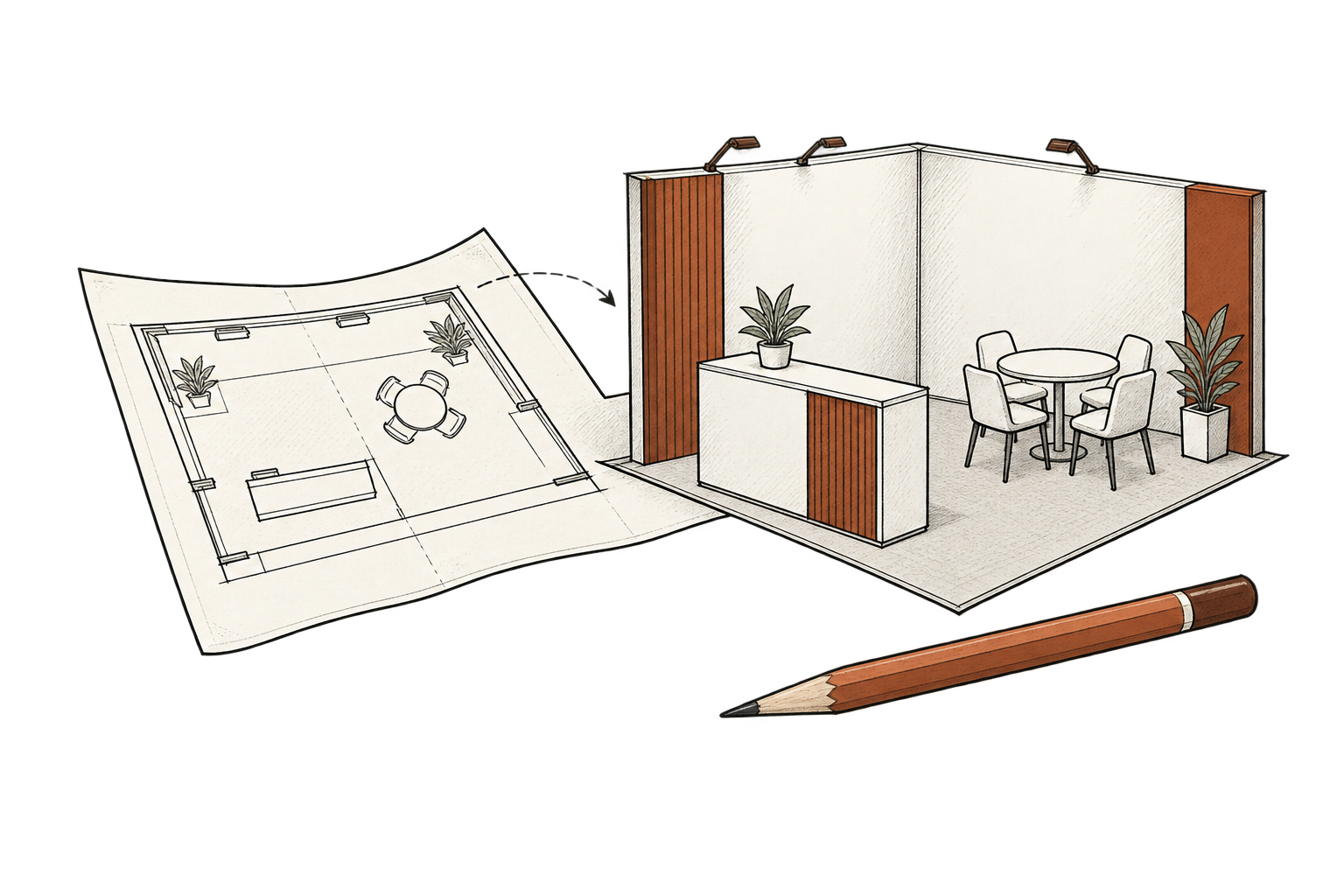
This preparation not only helps confirm the dimensions but also uncovers any structural peculiarities that might have been overlooked in the diagrams or floor plans. Something that comes up frequently is having templates or mockups of key booth elements, which allows for better visualization and validation of how each component fits and aligns.
In the end, working closely with your booth designer and installation team creates a collaborative environment that prioritizes accuracy and avoids costly mistakes. Mistakes like assuming all trade show spaces are generic rectangles can derail any well-planned setup.
By insisting on detailed, consistent measurements, you reduce the risk of costly set-up delays and make sure your exhibit is impactful and effective from the moment the trade show doors open.
3. Missing or Damaged Parts
One of the most frustrating challenges during booth installation is discovering that you have missing or damaged parts.
This issue can cause significant delays, disrupting your carefully planned schedule and potentially affecting your show’s success.
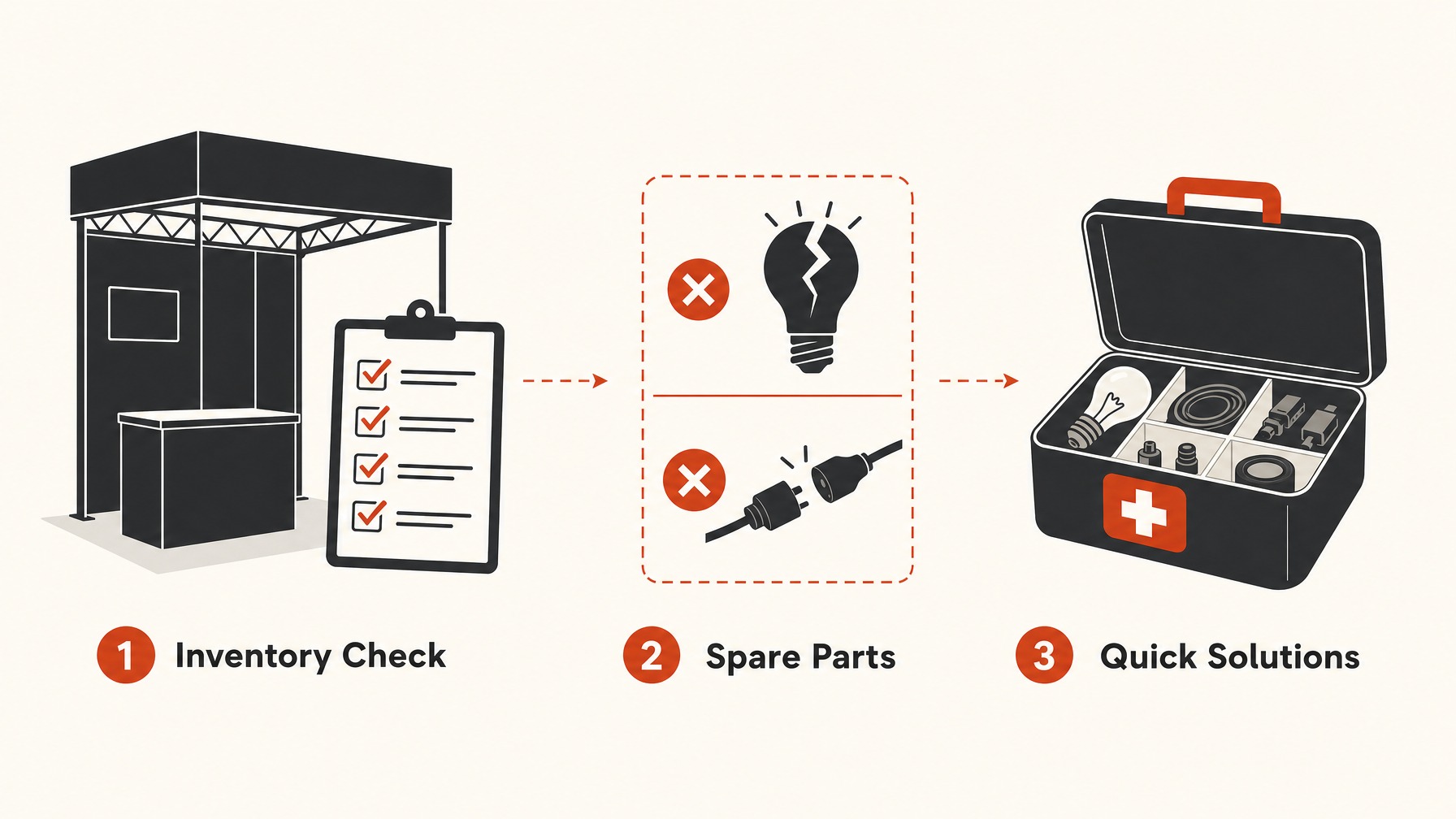
From my experience, proactive inventory checks before departure are crucial to minimizing this risk. It’s a good idea to have your team conduct a thorough inventory weeks ahead of the event, documenting each component with photos and a comprehensive checklist.
Despite best efforts, parts may arrive broken or go astray.
When this happens, having backup components easily accessible can be a lifesaver.
I recommend packing a small kit of essential spare parts, such as extra connectors, fasteners, or light bulbs, that can help address minor issues without a hitch.
Equally important is establishing a solid relationship with a reliable supplier who can deliver replacements at short notice if the damage extends beyond DIY fixes.
Deploying a system to track your shipment and confirming that every item has been loaded and unloaded correctly can save you headaches. Many exhibitors find success by assigning a team member to oversee the logistics, ensuring all parts are accounted for and labeled appropriately.
Another tactic we see is creating a labeled and organized storage solution within the crate itself to maintain order.
Anticipating possible setbacks and being prepared with alternative solutions not only helps mitigate immediate issues but also boosts your team’s confidence in problem-solving under pressure.
Quick problem-solving during an exhibit setup often hinges on planning for the unexpected and having strategies at the ready to adapt rapidly to unforeseen challenges.
This preparation allows you to maintain composure and keep the installation on track without compromising on quality or deadlines.
4. Insufficient Installation Time
A critical issue that can easily disrupt an event is having insufficient installation time.
This often leads to a hectic rush, causing unnecessary stress and errors.
From what I have seen, the exhibitors that allocate too little time for setup usually face significant last-minute challenges.
When you push deadlines too tightly, you’re more likely to overlook key assembly steps or necessary adjustments.
The Exhibitant team has seen that successful installations often dedicate an additional buffer period, allowing for both unexpected delays and quality checks.
Prioritize creating a detailed timeline that realistically represents the challenges and intricacies of your booth’s setup. Break down every single stage of your setup process, so each team member understands their responsibility.
Consider engaging with third-party installation experts who can expedite the process by bringing in their experienced teams.
Another crucial factor is communicating with the event organizers about any time constraints or space limitations you might face.
Important: You must allocate a buffer period for setup beyond the estimated time to prevent last-minute chaos and make sure a smooth, high-quality booth presentation.
What we have seen work well is requesting access to the venue earlier if possible to accommodate complex or customized booth installations. When every minute counts, it’s all about maximizing efficiency while maintaining the integrity of the setup.
Instead of viewing setup time as a purely logistical hurdle, treat it as an opportunity to make sure your exhibit meets its full potential.
Here at Exhibitant, we emphasize the importance of that extra time to test lighting, electronics, and promotional displays long before attendees arrive. Planning with a time surplus also means minor design tweaks can be addressed without disrupting the overall preparation.
Allocate a buffer period for setup beyond estimated time
Request early access to the venue if possible
Choose experienced installation partners
If you plan accordingly and embrace flexibility, you not only alleviate stress for your team but also enhance the final presentation quality.
By proactively managing installation time, exhibitors stand a better chance at executing a smooth and visually striking booth.
The ones that get it right make sure the setup process is both efficient and thorough, preventing the chaos associated with time constraints.
5. Inefficient Use of Tools
One issue that often arises during booth setup is the inefficient use of tools, which can lead to wasted time and resources.
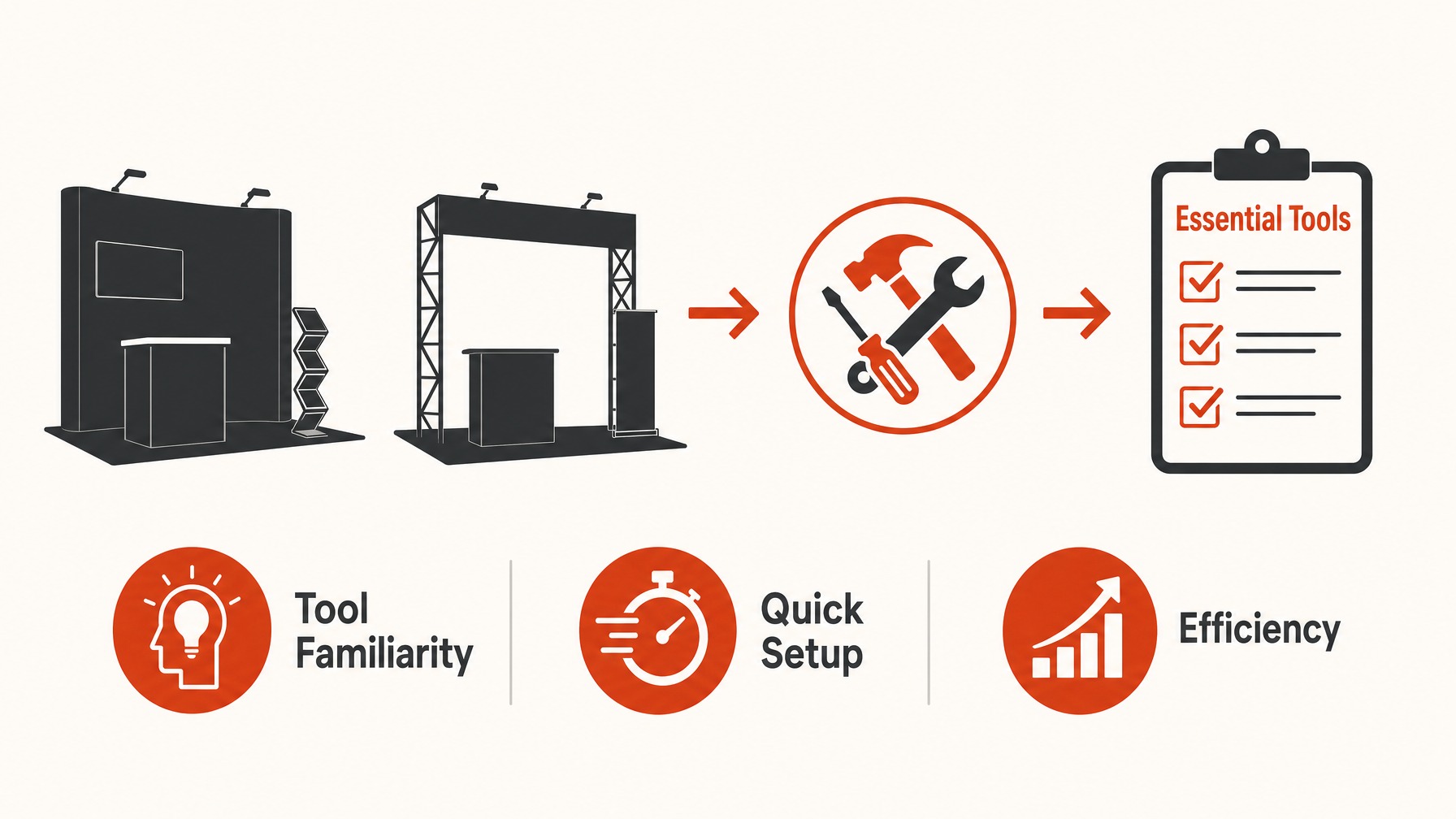
What we have seen work really well is ensuring that all team members are familiar with the specific tools required for the booth installation. The more familiar the team is with these tools, the more smoothly the installation process will go, without unnecessary slowdowns due to incorrect or awkward usage.
From what I have seen, the ones that get it right usually conduct a quick tool-brainstorming session. This allows the team to identify precisely which tools are essential, preventing unnecessary clutter and inefficiency during setup.
It’s crucial to avoid carrying a toolbox full of redundant tools that will only add weight and confusion to the process.
Another thing to note is the importance of having designated tool specialists.
One thing most exhibitors end up doing is assigning specific roles to team members to manage certain tools or tasks.
This prevents scenarios where too many people are trying to use the same tool at once, resulting in delays and frustration.
Here are some key steps to mitigate this issue effectively:
I would say the biggest thing here is being proactive about tool preparation, which minimizes downtime and optimizes the setup process.
By taking these measures, teams can avoid the chaos of a poorly managed tool situation and instead enjoy a smooth installation experience. Remember, well-managed tools contribute significantly to achieving a timely and successful exhibit setup.
6. Lack of a Detailed Installation Plan
One thing seasoned exhibitors tend to prioritize is drafting a comprehensive installation plan.
Without a clear strategy, teams often find themselves scrambling and looking for direction amid a packed exhibition schedule.
From what I’ve seen, a lack of planning can quickly lead to chaos, with staff wasting valuable time trying to figure out even the most basic setups. With so many moving parts, it’s crucial to have a document that outlines every step from arrival to dismantle.
A well-orchestrated plan should identify required materials, set up phases, and allocate responsibilities to each team member.
Most successful exhibitors incorporate a timeline and a checklist in their plans to make sure every component is considered well ahead of the installation day.
This upfront effort can prevent many headaches onsite. What we’ve observed is that teams that plan effectively are also more adaptable to unforeseen issues, such as last-minute layout changes or booth adjustments.
Pro Tip: To avoid chaos during setup, draft a detailed installation plan, including a timeline and checklist, using project management software for real-time updates.
If a change arises, an established plan offers a baseline for making informed decisions rather than on-the-fly, potentially costly fixes.
Using project management software can also help track progress and communicate updates in real time.
A comprehensive installation plan initiates a smooth and effective process, ultimately reflecting positively on the overall exhibition experience.
Establishing this plan is particularly vital for large-scale booths where coordination becomes even more complex.
7. Inadequate Safety Measures
Having solid safety measures in place during installation and dismantle is crucial for a successful exhibit experience. What we’ve seen is that many exhibitors underestimate the significance of a complete safety checklist, leading to neglected precautions that can result in costly accidents.
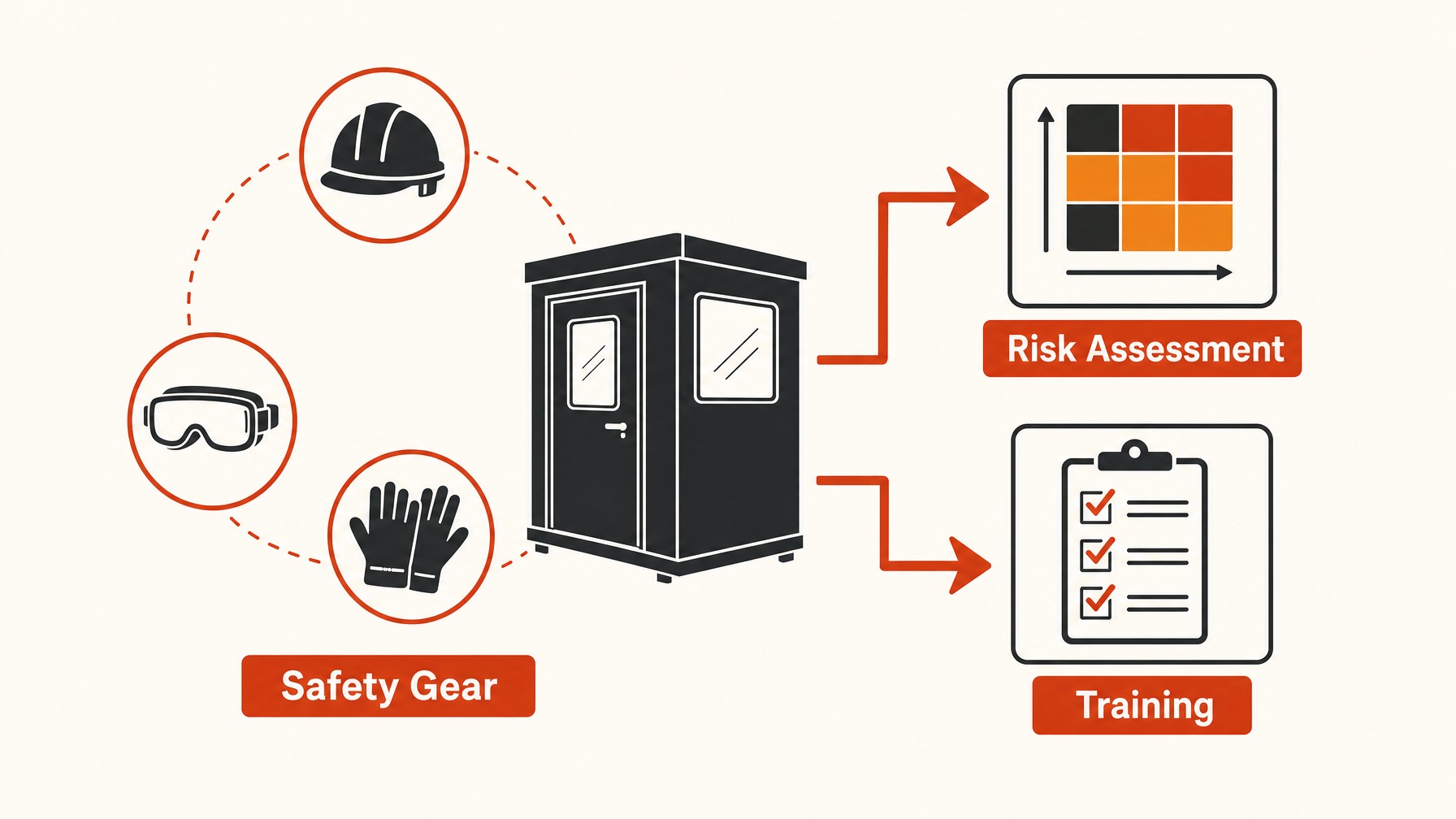
From what I have seen, the ones that get it right usually start by conducting a thorough risk assessment to identify potential hazards specific to the trade show environment. Providing proper training to installation crews and ensuring they know how to safely handle tools and equipment is another indispensable practice that mitigates risks.
Something that comes up a lot is the lack of personal protective equipment (PPE) like gloves, helmets, and safety goggles, leaving workers vulnerable to injury.
The effective use of signage to mark off restricted zones or warning of potential risks can drastically reduce mishaps on the floor. One thing most exhibitors end up doing is ignoring these signage protocols in the rush to set up quickly, which only invites more trouble.
To address these concerns, Exhibitant offers end-to-end exhibit support that incorporates exhibit strategy with a focus on booth systems that prioritize both functionality and safety.
In this role, Exhibitant acts as a partner, not just a display vendor, ensuring that your installation is both efficient and safe.
I would say the biggest thing here is constant communication among team members to make everyone aware of any lingering risks that even the most secure systems might not automatically mitigate.
By maintaining a strong safety culture, exhibitors not only protect their staff but also safeguard their investment in the show.
Consistent practice in adhering to safety guidelines can cultivate an environment where accidents are minimized, letting you focus on what truly matters engaging with potential clients and generating valuable leads.
Final Words
Reflecting on the common installation issues and their solutions, it’s clear that a successful setup depends heavily on proper planning and clear communication. By addressing potential pitfalls head-on, exhibitors can avoid the typical headaches associated with trade show setups and focus on what truly matters showcasing their brand effectively.
What we’ve discussed are practical steps that help prevent disruptions in the setup process by anticipating challenges before they arise.
It’s all about being proactive rather than reactive, which can make a significant difference in exhibit execution.
Understanding the importance of detailed planning and preparation ensures a smoother installation experience, leading to a well-executed exhibit.
A forward-thinking approach, paying attention to the intricacies of the installation phase, translates into a more smooth and productive event.
Exhibitors who master these details often find that they are better able to capture leads and engage attendees without being sidetracked by logistical hiccups. Keeping these insights in mind will allow for a more consistent and reliable presence at trade shows, which enhances overall impact and ROI.
Ultimately, effective installation and dismantle processes are as critical to the success of an exhibit as the design and strategy behind it.
A methodical approach allows teams to get the most out of their capabilities and resourcefulness during the pre-show phase, setting the stage for greater success.
By integrating these solutions into their routine, exhibitors can confidently tackle installation challenges, ensuring a smooth start to their event participation.
Need a booth plan?
Turn show goals into a practical exhibit path
Share your footprint, timeline, and priorities. Our team can help shape the booth direction, graphics, and project support.
Keep planning
More exhibit guidance
Keep exploring practical advice on booth planning, marketing, and getting more from your next show.
Tell us about your business, the buyers you want to reach, and what you want to achieve. Whether you need more sales conversations, stronger marketing, or a trade show presence, we’ll help you identify where to focus and what support makes sense. Together, we can shape a practical plan around your priorities, budget, and timeline.
 Lorena G.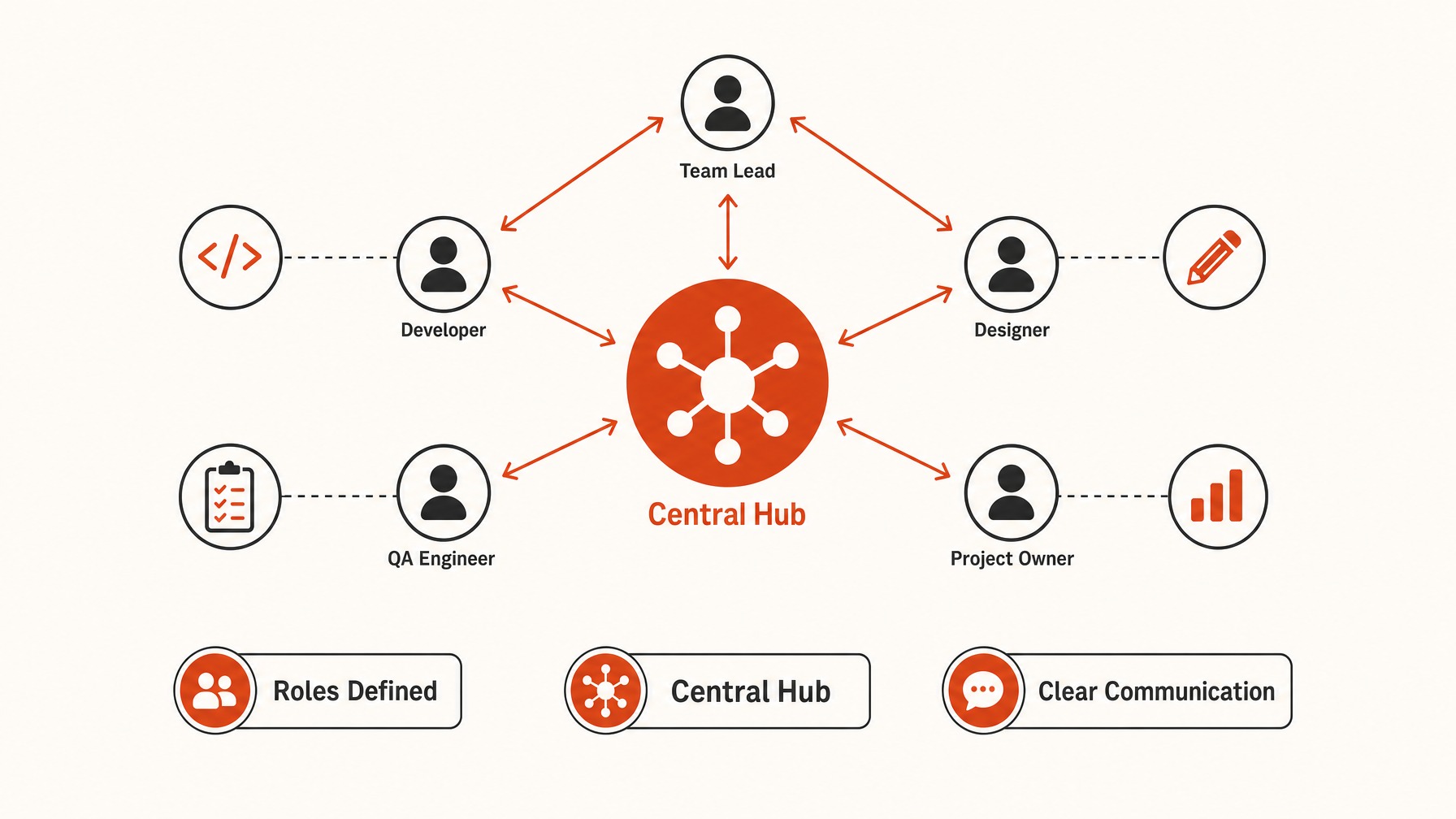
 Louie J.