 Louie J.
Creating a product demo video that truly resonates with your audience is more crucial now than ever before.
With the digital landscape constantly evolving, it’s essential to engage viewers quickly and effectively. Here is how I would approach it: start by tailoring your demo to address your audience’s specific needs and pain points.
This approach will help capture their attention and position your product as the solution they’ve been seeking.
Before hitting the record button, crafting a clear, concise script is key to ensuring your message is understood and remembered. Structure your content to flow naturally, highlighting your product’s features and benefits in a straightforward manner.
Keeping the script concise prevents viewers from losing interest and helps maintain their focus on what’s important.
Storytelling is more than just a buzzword it’s a valuable tool for connecting with your audience on a personal level. By incorporating engaging storytelling techniques, you can transform technical product details into a narrative that is compelling and relatable.
Consider how you can weave a story that showcases the value of your product in a way that aligns with your audience’s experiences and emotions.
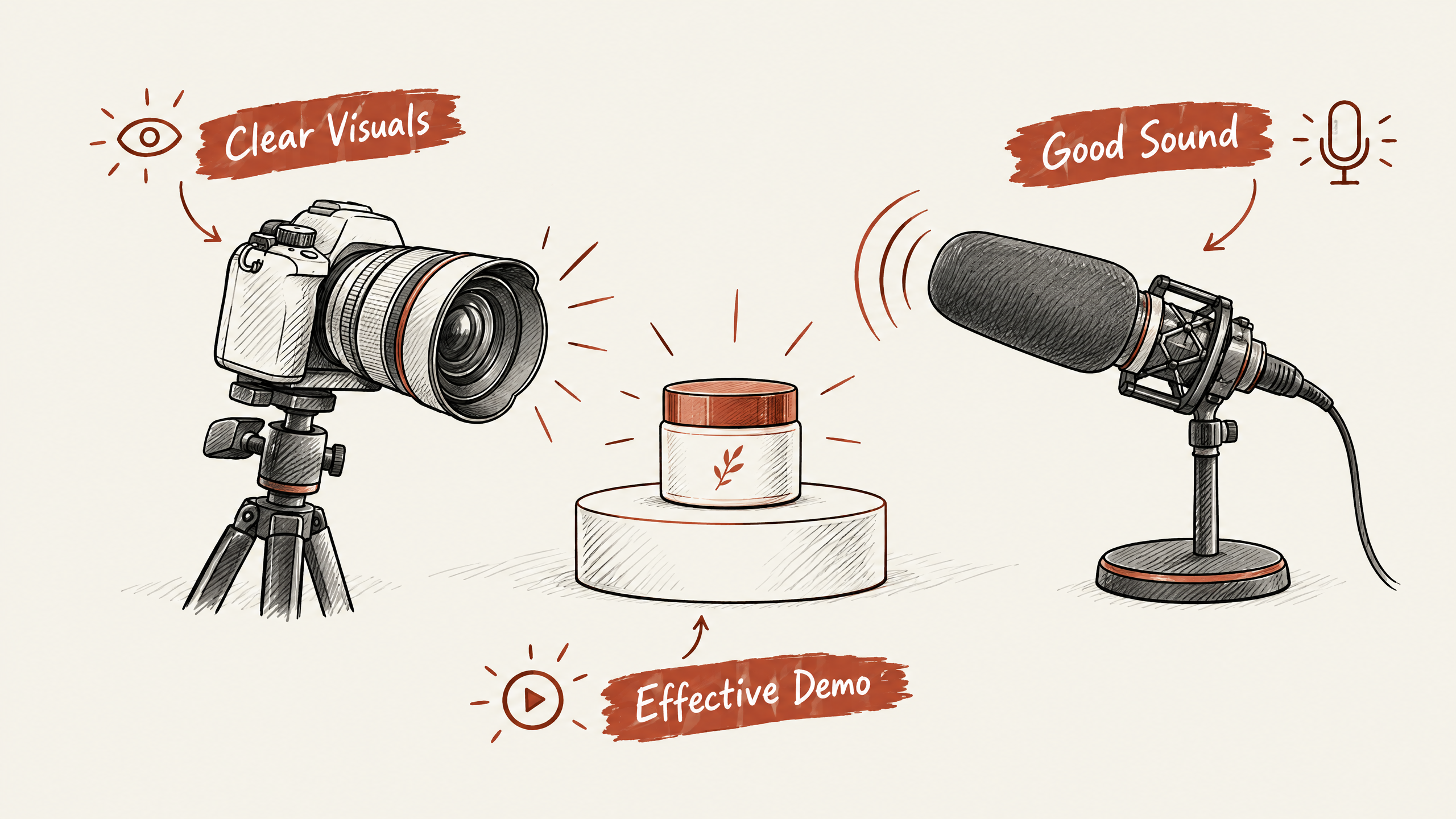
High-quality visuals and sound are non-negotiables in video production.
They reflect the professionalism of your brand and the quality of your product.
Your team should focus on achieving crisp visuals and clear audio to make sure that the message comes across seamlessly.
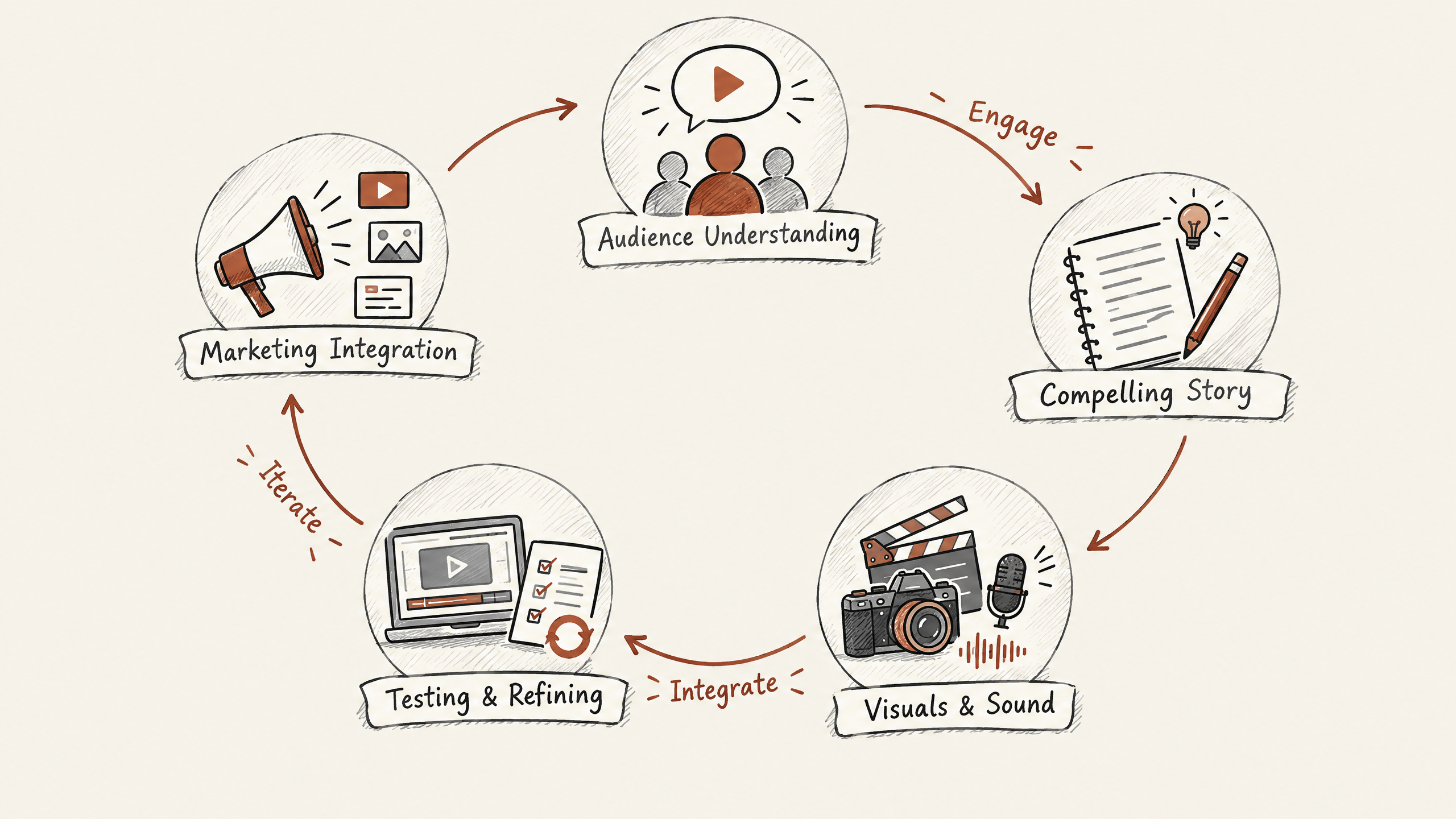
After reading through these tips, you’ll be equipped to create demo videos that not only highlight your product’s strengths but also motivate your audience to take action.
- Prioritize customer-centric content for product demo videos.
- Incorporate storytelling elements to engage viewers.
- Focus on clear, concise messaging to convey key benefits.
- Utilize quality visuals and sound for professionalism.
- Plan a simple, effective call-to-action for viewers.
Focus on customer-centric content, storytelling, and clear messaging to connect with your audience.
By planning a simple, effective call-to-action, you can engage viewers and drive results.
1. Understand Your Audience’s Needs
Before crafting an impactful product demo video, it’s crucial to remember that your primary goal is to engage and educate your audience. Begin by identifying who your target audience is.
Are they technical users who need depth and detail, or business decision-makers focused on value and ROI?
Understanding their expectations and pain points will help you tailor your message effectively.

An effective way to dive deeper into your audience’s needs is by leveraging audience personas.
These fictional representations of your ideal customers provide insights into their behaviors, goals, and challenges. Consider conducting surveys or interviews to gather data.
Knowing your audience not only guides your video content but also helps in aligning your demos with broader marketing efforts.
When evaluating what your audience needs, remember the specific context they might be viewing your content in.
Are they watching during a virtual trade show, or are they accessing the video on your website as a preliminary research step?
Each scenario will demand a unique approach in both content and presentation style.
Pro Tip: To create a product demo video that truly engages, tailor your message to your audience’s specific needs, expectations, and viewing context for maximum impact.
Tailor your message to resonate with how and why they are consuming your content.
Don’t overlook the constraints and limitations your audience might face.
For instance, if your primary audience works in a fast-paced industry, a long, detailed video may not be the best approach.
Instead, focus on delivering a concise and impactful message that respects their time. Balancing detail with brevity is key to retaining their attention.
By understanding and addressing these audience-specific factors, you lay a solid foundation for creating a product demo video that truly speaks to your audience’s needs.
This strategic approach ensures that your video’s message aligns with the viewers’ expectations, increasing both engagement and effectiveness.
2. Outline a Clear, Concise Script
Crafting a well-structured script is the backbone of any successful product demo video. Your script should serve as a roadmap, guiding both the presenter and the audience through the demonstration.
Keeping it clear and concise is essential to maintain viewer engagement and make sure your message is effectively delivered.
When writing your script, start with an introduction that quickly captures attention and outlines what the audience can expect.
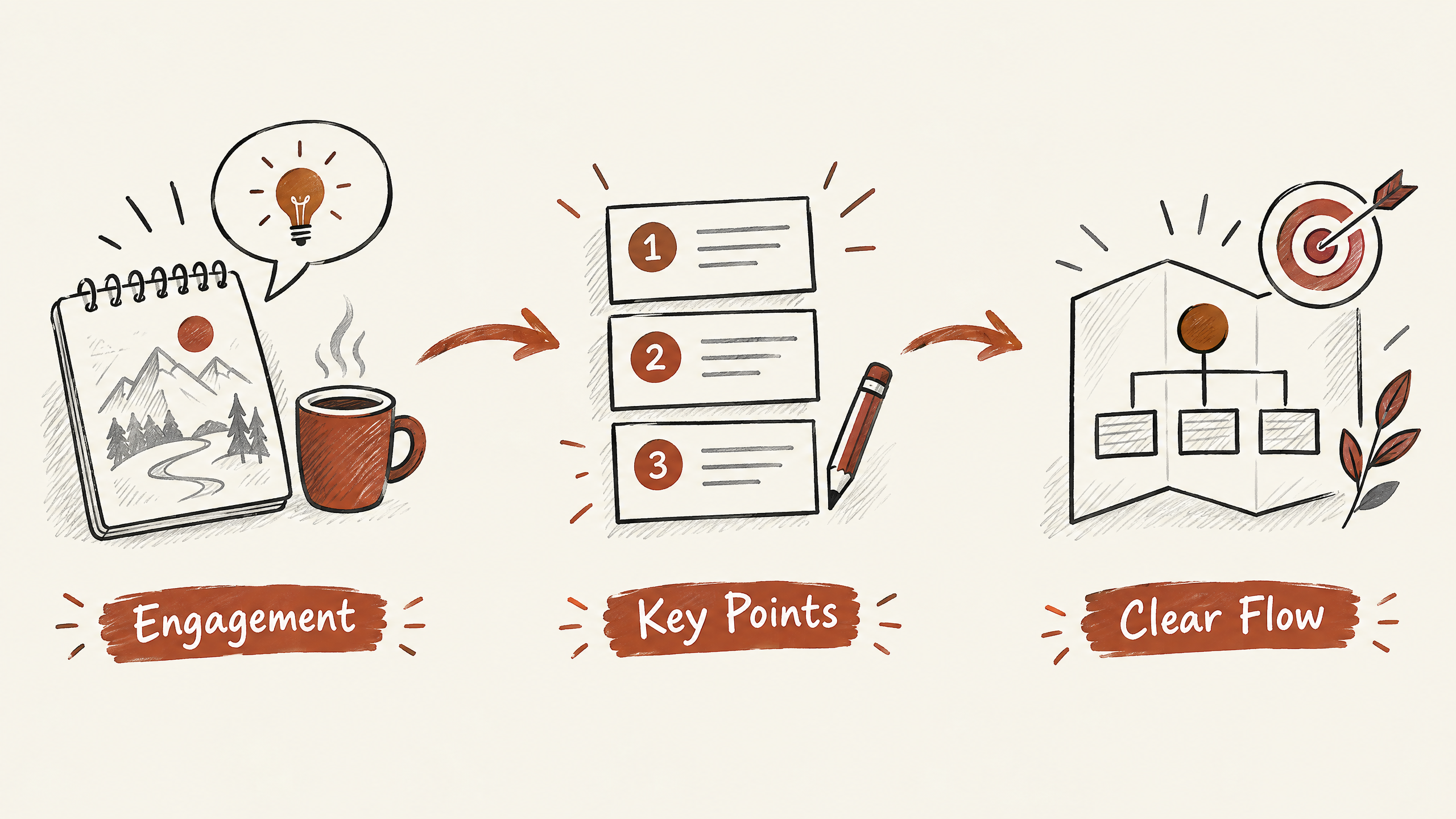
This sets the stage for a logical flow, making it easier for viewers to follow along with your demonstration. Avoid complex jargon unless your target audience is familiar with the terms, as this could create confusion.
Instead, lean on straightforward language that communicates your key points.
Divide the content into sections that cover the product’s main features or benefits.
As you write each part, think of how you want viewers to feel and what action you would like them to take. Interweave examples or analogies that resonate with your audience, bringing abstract concepts to life.
This not only reinforces understanding but also makes the video memorable.
A common mistake is trying to cram too much information into one video. Decide on 2-3 core features to highlight in a short demo clip to avoid overwhelming the audience.
By focusing the script, you improve its impact. An unfocused script can dilute the message and reduce viewer retention.
Time management is crucial for engaging content.
Aim for a script that fits within your predetermined video length, keeping the pace brisk yet digestible.
On average, you can read around 150 words per minute.
Use this as a guideline to make sure your script is appropriately timed.
3. Use Engaging Storytelling Techniques
Harnessing the power of engaging storytelling can markedly enhance your product demo videos. It’s not just about showcasing product features; it’s about weaving a narrative that catches viewers’ attention.
This approach makes your content more memorable and leads to a deeper connection with potential customers.
Begin with a compelling hook an attention-grabbing statement or question that draws the viewer in.
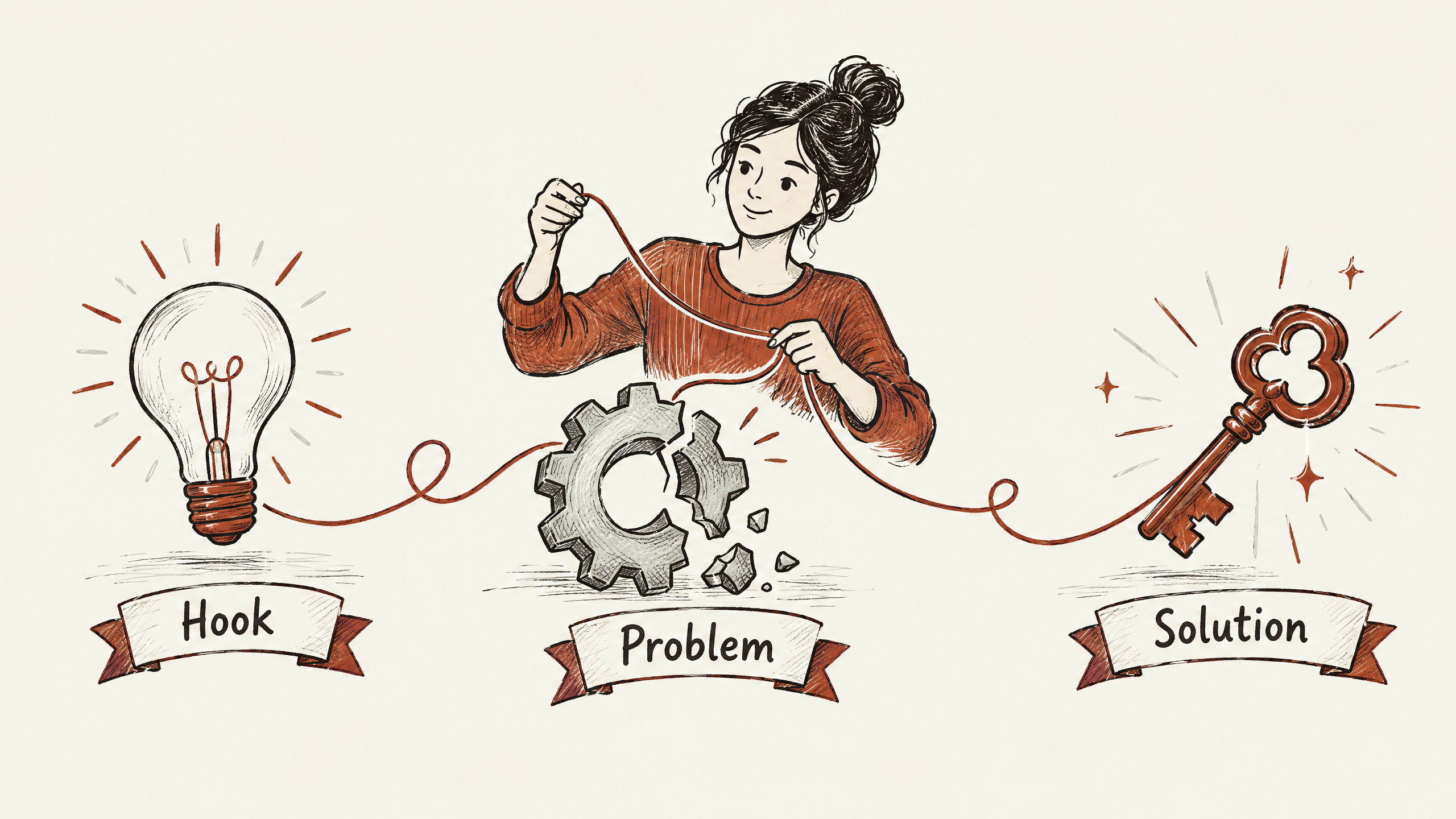
For example, if you’re introducing a new software solution, open with a scenario or statistic that showcases the problem your product solves.
This stage is critical because it sets the tone for the rest of the video.
From there, frame the narrative using a structure that resonates with your audience.
Consider using the problem-solution framework: highlight a pain point your viewers face and demonstrate how your product addresses it.
This technique not only engages but also clearly illustrates the value your product offers.
One common pitfall is focusing too much on technical details, which can overwhelm or bore the audience.
Instead, balance your detailed explanations with real-world examples or testimonials. Narratives involving customer stories often have higher retention and can foster a sense of trust and relatability.
Here’s a hypothetical scenario: if launching a customer relationship management (CRM) software, present a story of a sales team struggling with organization.
Demonstrate how your CRM transformed their workflow, increased efficiency, and led to improved sales.
Such stories show rather than tell, offering a powerful demonstration of your product’s impact.
For maximum effect, maintain a consistent tone and style that aligns with your brand and audience expectations.
At Exhibitant, we focus on creating narratives that connect, keeping your content both professional and engaging.
Following these steps ensures your message is communicated effectively, setting the stage for increased engagement with your product.

 Lorena G.