
Exhibitant insights

Get practical ideas for your next campaign or show

Join our newsletter for advice on reaching B2B buyers, planning outreach, and getting more from trade shows.

B2B lead generation

Ideas for prospect research, outreach, and follow-up.

Trade show exhibits

Tips for booth design, graphics, and show preparation.

Industry Guides

6 Essential Elements for Industry-Specific Trade Show Booths

Discover six crucial elements to create industry-specific trade show booths that captivate and convert.

When preparing for a trade show, crafting an industry-specific booth can make a significant difference.

Each industry has its own trends and standards, making it vital to tailor your approach. I understand this can be challenging, yet it’s a crucial step for meaningful engagement.

Allocating resources to high-impact visuals is essential for drawing attendees in. Visuals aligned with your industry create an immediate connection and pique interest.

This is where understanding your sector’s visual language pays off.

The choice of materials can also influence how your brand is perceived.

Using materials that reflect industry values solidifies your presence and credibility.

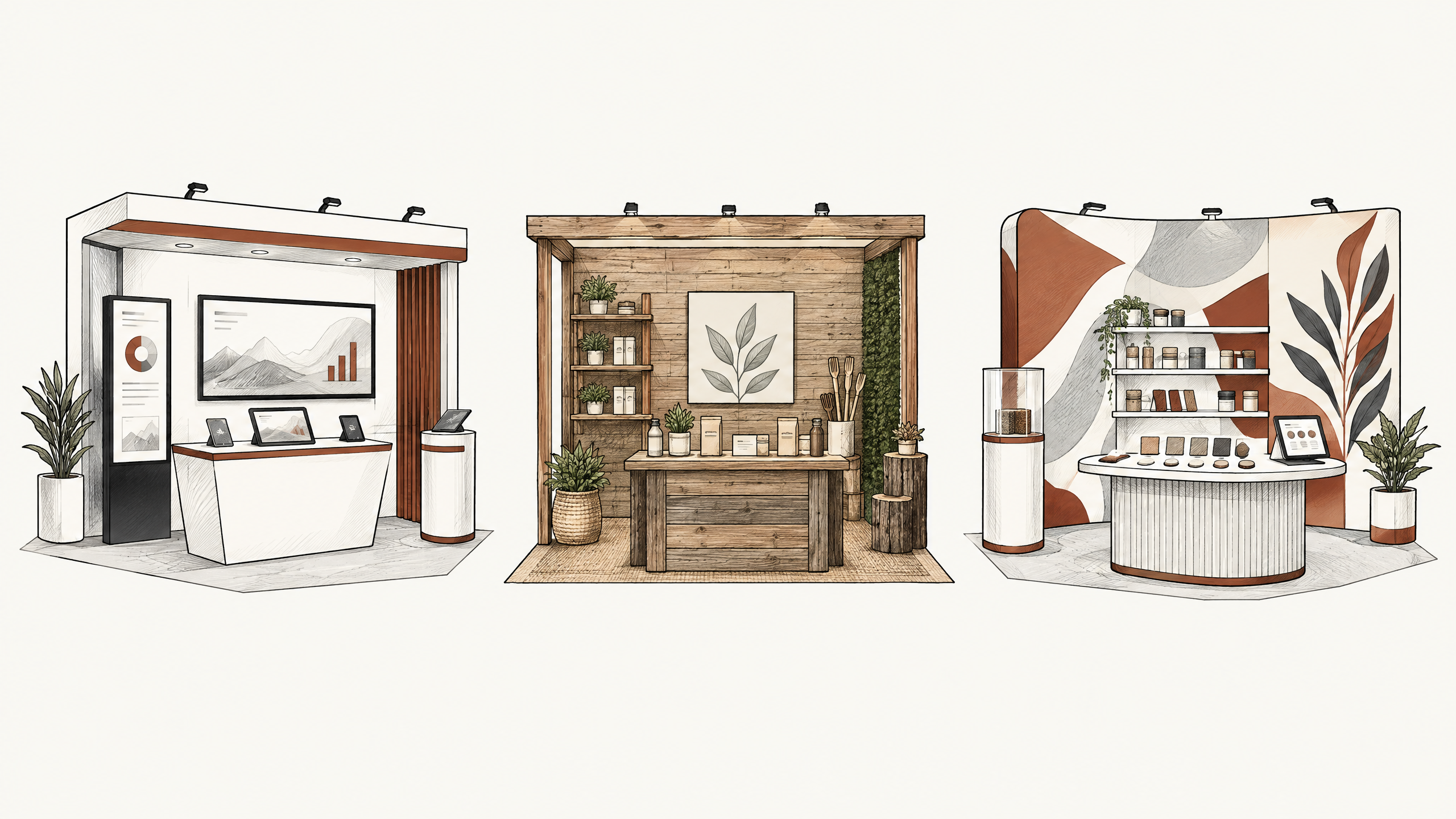
Whether it’s sleek metals for tech or natural wood for sustainable goods, the right choice makes a statement.

In this guide, I will walk you through the essential elements of creating an industry-specific booth.

By the end, you’ll have a clear strategy to engage effectively and leave a lasting impression at your next trade show.

Key Takeaways:
  • Analyze industry trends for tailored booth designs.
  • Prioritize high-impact visuals for engagement.
  • Select materials reflecting industry standards.
  • Incorporate interactive elements to attract visitors.
  • Ensure efficient booth setup and dismantling.

Tailor your booth design by analyzing industry trends and selecting materials that fit your market.

Focus on high-impact visuals and interactive elements to draw visitors in.

Plan for efficient setup and dismantling to minimize stress and downtime.

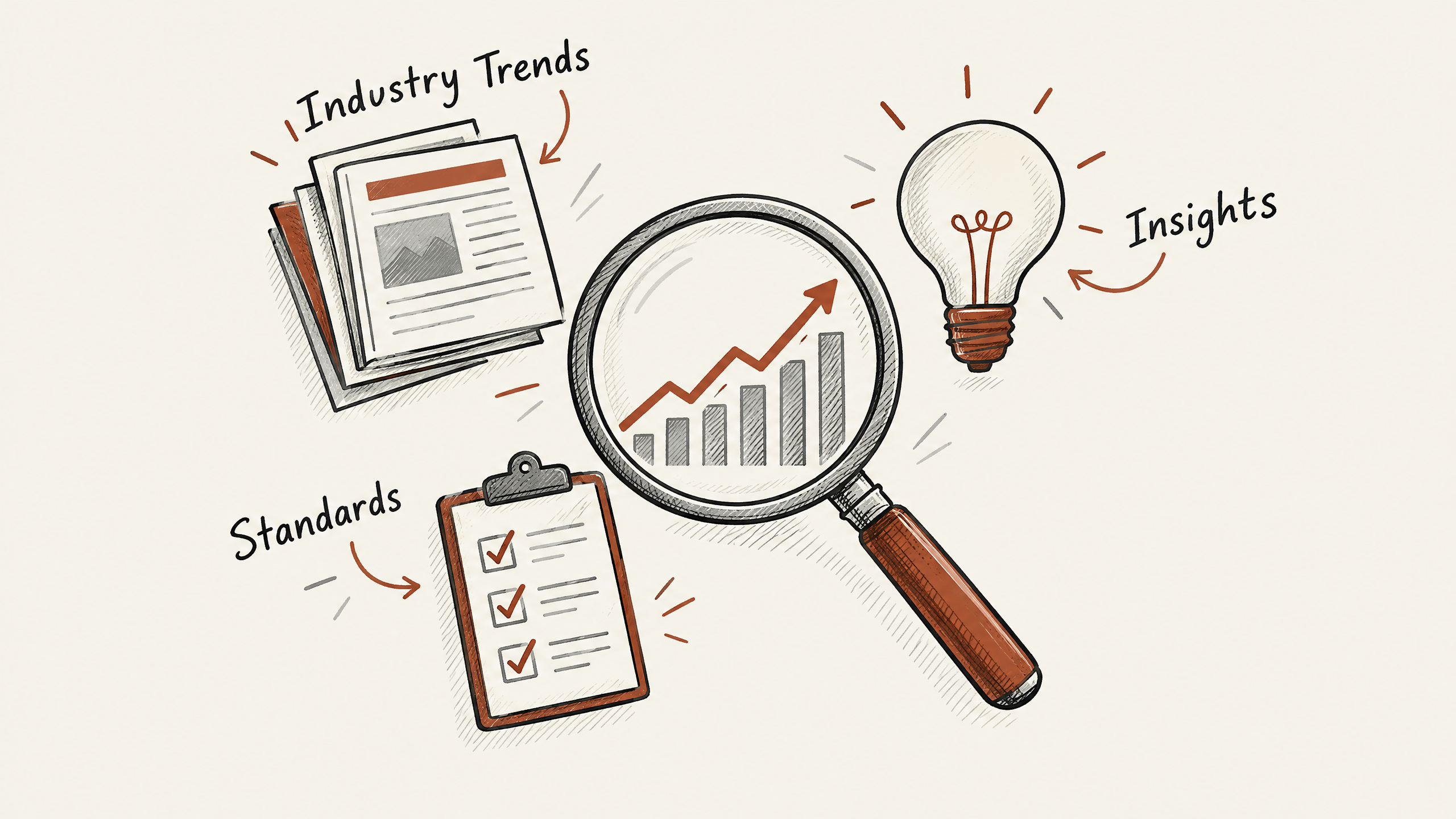
Understanding your industry’s current trends and standards is critical when designing a trade show booth.

This analysis sets the foundation for creating an relevant and attractive exhibit. Staying updated with the industry’s direction ensures your booth resonates with your audience and meets their expectations.

To effectively analyze industry trends, start by reviewing recent publications and reports related to your field.
1. Analyze Industry Trends and Standards — 6 Essential Elements for Industry-Specific Trade Show Booths

Trade publications often offer insights into new technologies, consumer preferences, and competitor activity that can influence your booth design.

Look for trends in products, services, and even design elements that are gaining traction.

Incorporate these trends into your booth to maintain relevance.

Beyond publications, explore trade shows happening globally or within your region.

Observing how similar businesses present themselves provides valuable insights into current industry standards.

Pay particular attention to booth designs that attract the most foot traffic and engage attendees.

Identify the elements making these booths successful and consider how you might apply similar tactics.

A mistake some teams make is relying solely on outdated trends.

Neglecting the latest advancements or consumer expectations can render your booth less effective. Industry standards evolve, and so must your approach. make sure you don’t dismiss emerging trends that could impact how potential clients perceive your brand.

Hypothetical scenario: Imagine your company is in the renewable energy sector.

Industry trends include a significant push towards sustainable materials and practices.

As you design your booth, incorporating displays that show your use of eco-friendly materials not only aligns with industry trends but also differentiates you from competitors still using traditional methods.

Incorporating industry insights into your booth design requires cross-department collaboration.

Sales, marketing, and design teams should come together to interpret trends and strategize effectively.

Schedule regular meetings to make sure everyone is aligned and that decisions are made with both creativity and relevance in mind.

This process, while detailed, places your team in a better position to make informed decisions about your booth’s design elements.

It requires commitment to gather comprehensive information but pays off in creating a booth that speaks directly to industry expectations and attracts the right audience.

2. Prioritize High-Impact Visuals

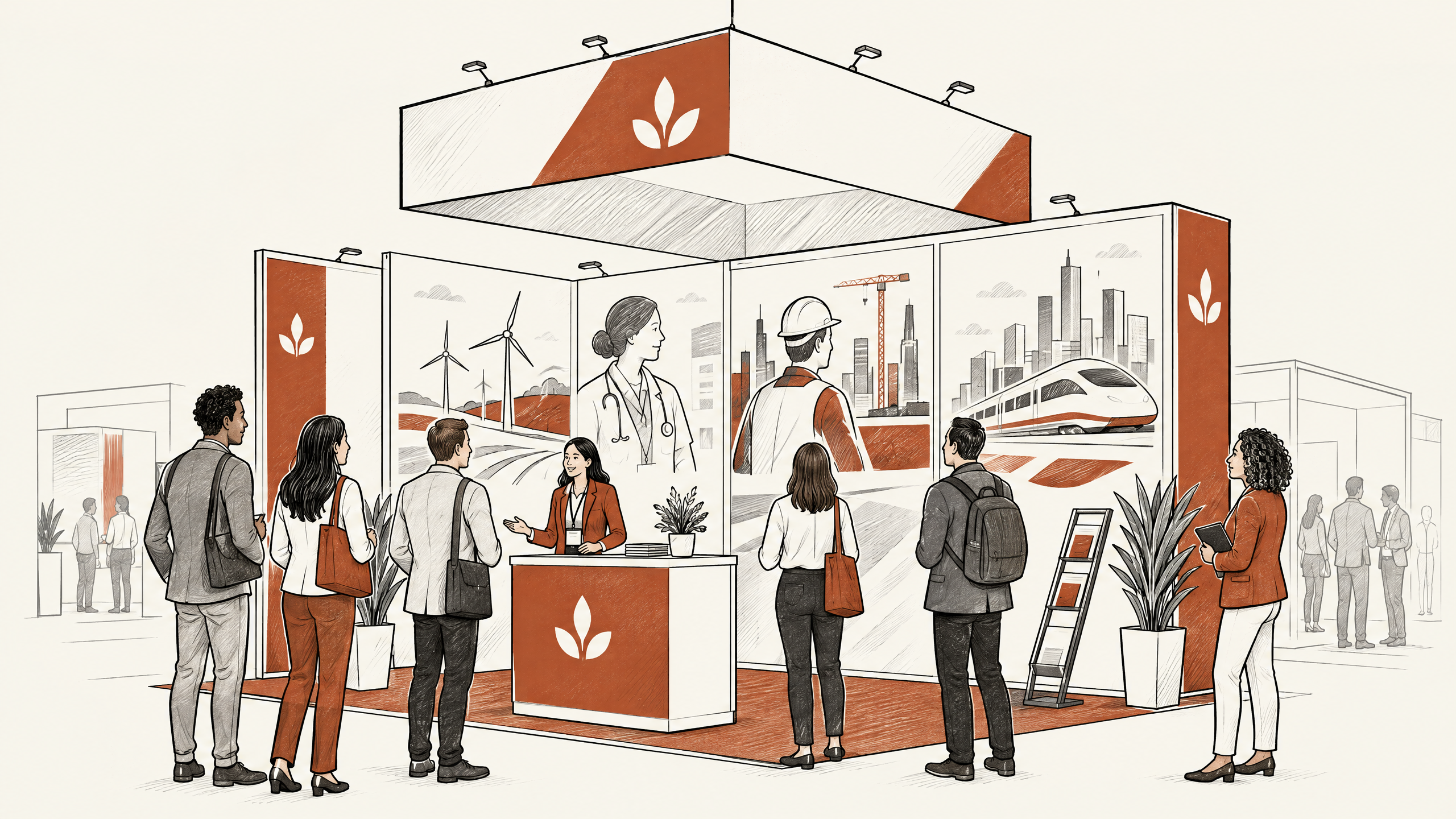
To make your trade show booth stand out, focus on using high-impact visuals that reflect your brand and industry. An engaging design can capture attention and draw attendees in, setting the stage for meaningful interactions with potential clients.

Choose visuals that communicate your key messages clearly and align with the overall theme of your industry.

Start by selecting a color palette that mirrors your brand identity and industry standards.
2. Prioritize High-Impact Visuals — 6 Essential Elements for Industry-Specific Trade Show Booths

For example, a technology company might use sleek and modern colors like blue and silver, while a health and wellness brand might lean toward greens and earth tones.

The colors should evoke the emotions you want your audience to associate with your brand.

Consider incorporating large-scale graphics that convey your products’ benefits or unique selling points.

These visuals should be easily visible from a distance, enticing passersby to come closer.

A common pitfall is choosing overly complex images that overwhelm rather than inform. Aim for simplicity and clarity to enhance your message without creating visual clutter.

Lighting plays a crucial role in making your booth’s visuals pop.

Use strategically placed lighting to highlight important areas, such as a new product display or an interactive screen.

Pro Tip: Consider using large-scale, dynamic visuals with strategic lighting to highlight your key products, ensuring clarity and relevance to attract and engage attendees effectively.

Effective lighting not only attracts attention but also enhances the overall visual experience of your booth.

Let’s take a hypothetical scenario: a company in the renewable energy sector is preparing for an upcoming trade show.

They might use dynamic, large-scale imagery of solar panels or wind turbines to illustrate their technologies.

By adding soft, natural lighting, they can evoke the environmentally friendly aspect of their business while making their displays more engaging to attendees.

  • Choose a color palette reflective of your industry
  • Use large, engaging graphics with clear messages
  • Incorporate strategic lighting to accentuate features

Avoid the common mistake of overcrowding your booth with too much visual content.

High-impact visuals should be balanced and thoughtfully organized to guide attendees through the booth without overwhelming them.

Prioritize clarity and relevance, ensuring each element serves a purpose and connects back to your industry focus.

3. Choose Materials That Reflect Your Industry

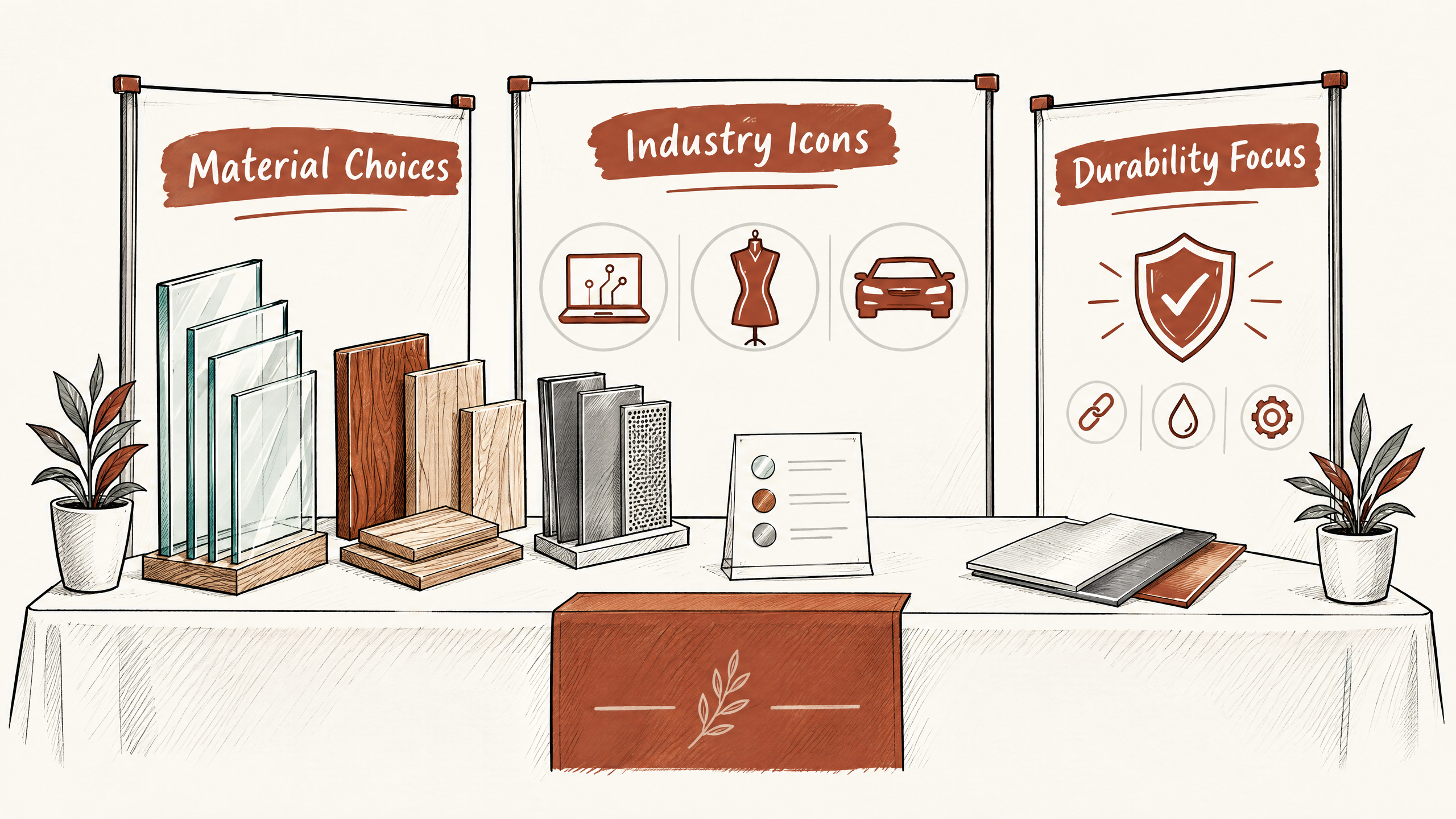
Selecting the right materials for your trade show booth plays a crucial role in showcasing your industry’s identity.

The materials you choose should not only be visually appealing but also align with industry standards and customer expectations.

For instance, if you’re in the tech industry, incorporating sleek, modern materials like aluminum or glass can convey innovation and forward-thinking efficiently.
3. Choose Materials That Reflect Your Industry — 6 Essential Elements for Industry-Specific Trade Show Booths

It’s important to differentiate material choices based on the booth’s purpose. Consider areas designed for interaction, such as counters and demo stations, that may require durable materials capable of withstanding high traffic.

Reliable flooring such as laminated wood or polished stone could work well here, especially if they link to industry aesthetics.

One practical approach is to look at successful booths from past shows within your industry. Analyze what materials they utilized and how they impacted overall presentation.

Be mindful of the tradeoff between quality and cost.

While high-quality materials can be more expensive, they might be necessary for achieving the desired look and durability.

To make informed decisions, list your desired materials and match them with industry expectations and budget constraints.

Experts at Exhibitant can offer tailored recommendations based on your industry and specific exhibition needs. This can lead to a cohesive, attractive booth that resonates with your target audience.
4. Incorporate Interactive Elements

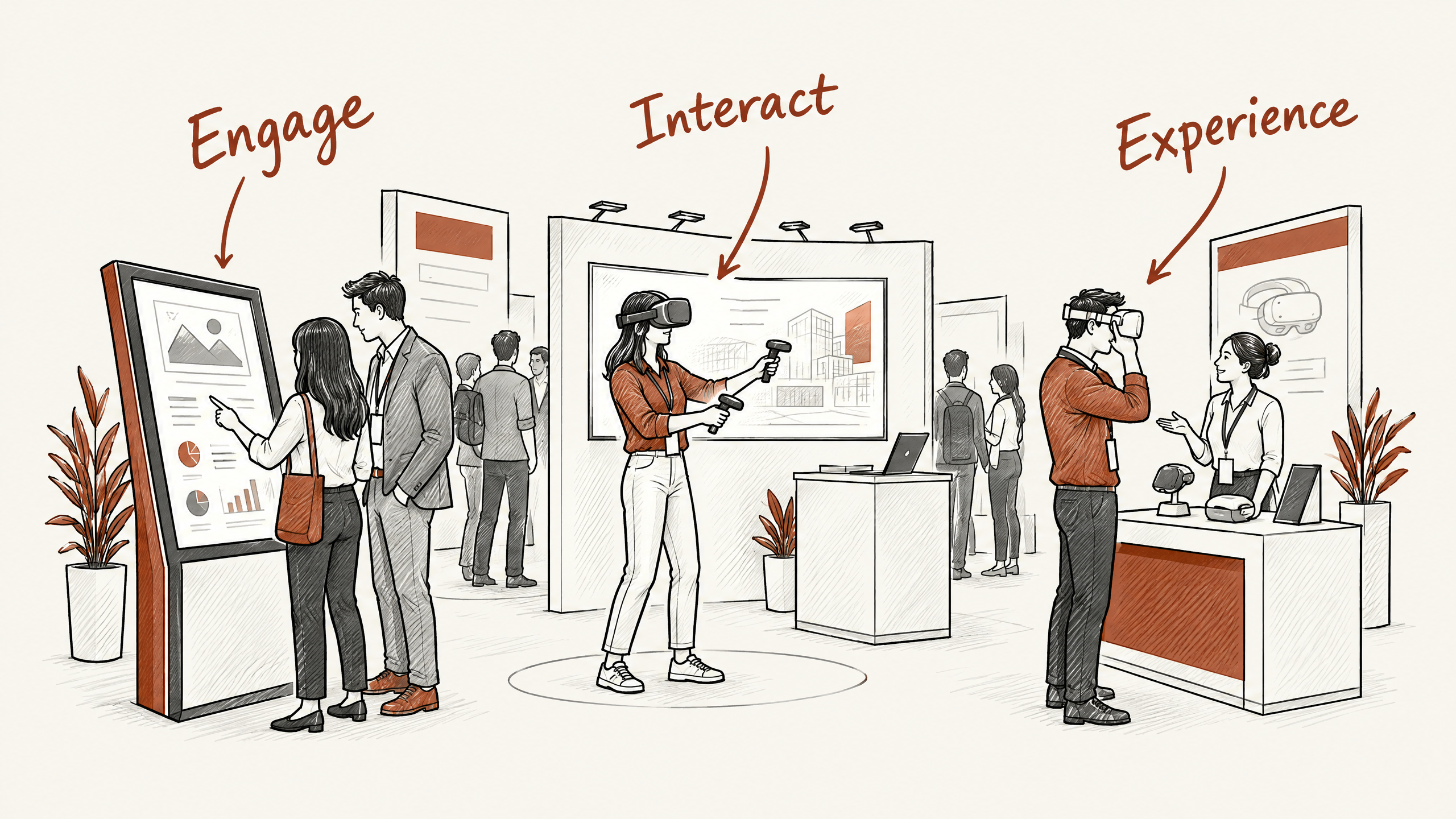
Adding interactive elements to your trade show booth can significantly enhance the engagement of attendees. When visitors have the opportunity to interact with your brand, it creates a memorable experience, which is more likely to lead to an interest in your products or services.

The right interactive feature can transform a static display into a dynamic one, bringing your industry expertise to life.

To effectively select interactive elements, you should first identify your goals and what you want to achieve at the trade show.

4. Incorporate Interactive Elements — 6 Essential Elements for Industry-Specific Trade Show Booths

Are you looking to increase brand awareness, drive specific product sales, or build stronger relationships with potential partners?

Once you know your objectives, choose interactivity that aligns with those objectives and resonates with your audience.

Consider implementing features such as live demonstrations, virtual reality experiences, or touch-screen kiosks.

For example, if your industry is technology-driven, a VR demonstration of your latest software could attract tech-savvy visitors interested in innovation.

This element of interaction not only grabs attention but offers visitors hands-on experience with your offerings.

However, it is crucial to balance the level of interactivity with practicality.

If an element is too complex, it might deter rather than attract visitors. make sure that you have staff available to guide the experience and answer questions.

Important: Selecting the right interactive elements to match your trade show goals is crucial, as overly complex features can deter attendees instead of engaging them.

Interactive elements should enrich, not overshadow, the core message of your booth.

A common mistake is overloading the booth with too many interactive components, leading to visitor confusion.

Focus on one or two meaningful interactions.

A hypothetical example: A company exhibiting solar technology could use an interactive touchscreen that lets visitors simulate their own home’s energy savings.

This type of interaction is specific, memorable, and informative.

By incorporating targeted interactive elements, your booth can offer a dynamic experience that highlights your industry knowledge while engaging potential clients.

Be thoughtful in your selection and execution to create a positive and impactful interaction that aligns with your trade show goals.

5. Improve Booth Layout for Visitor Flow

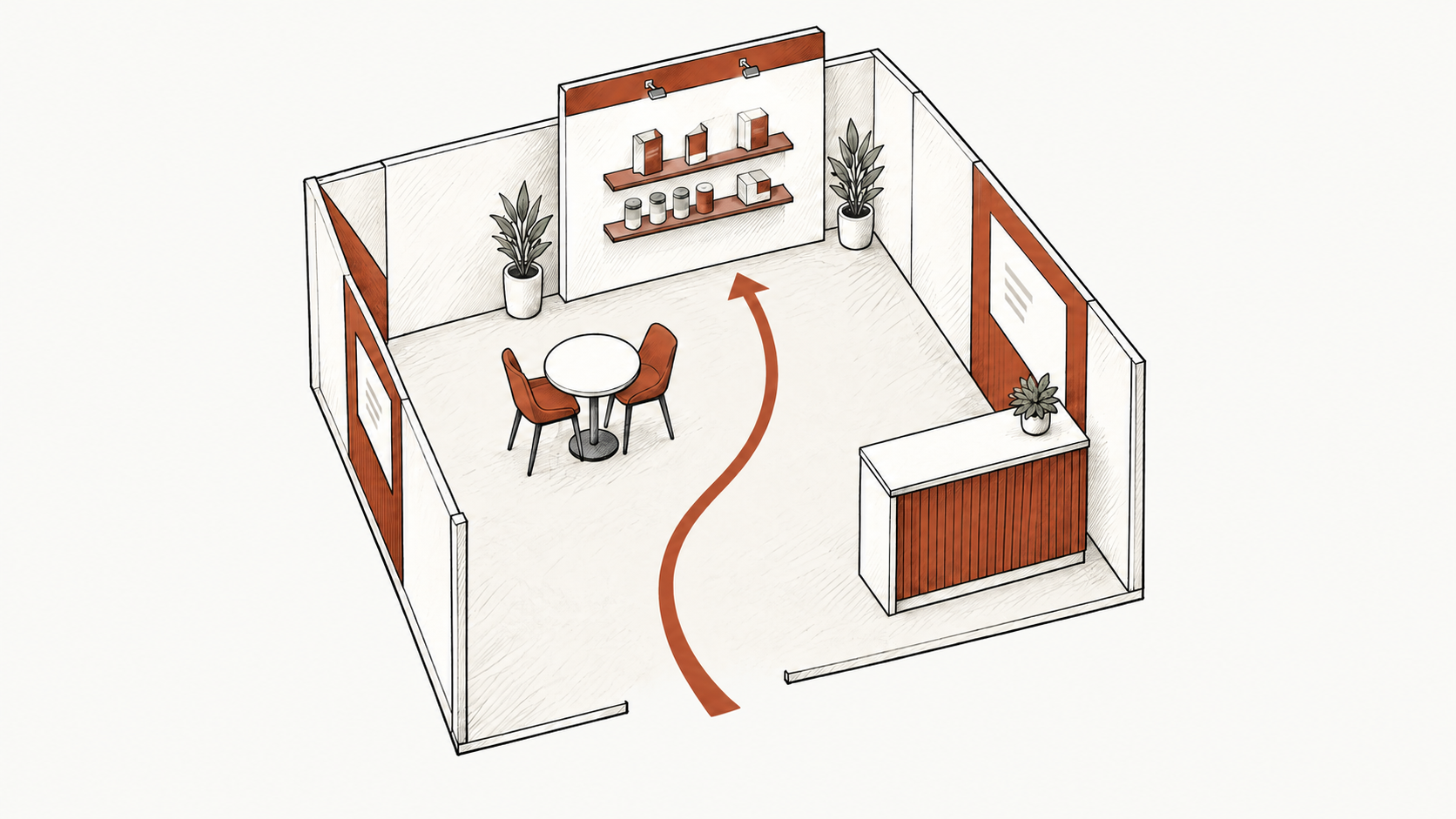
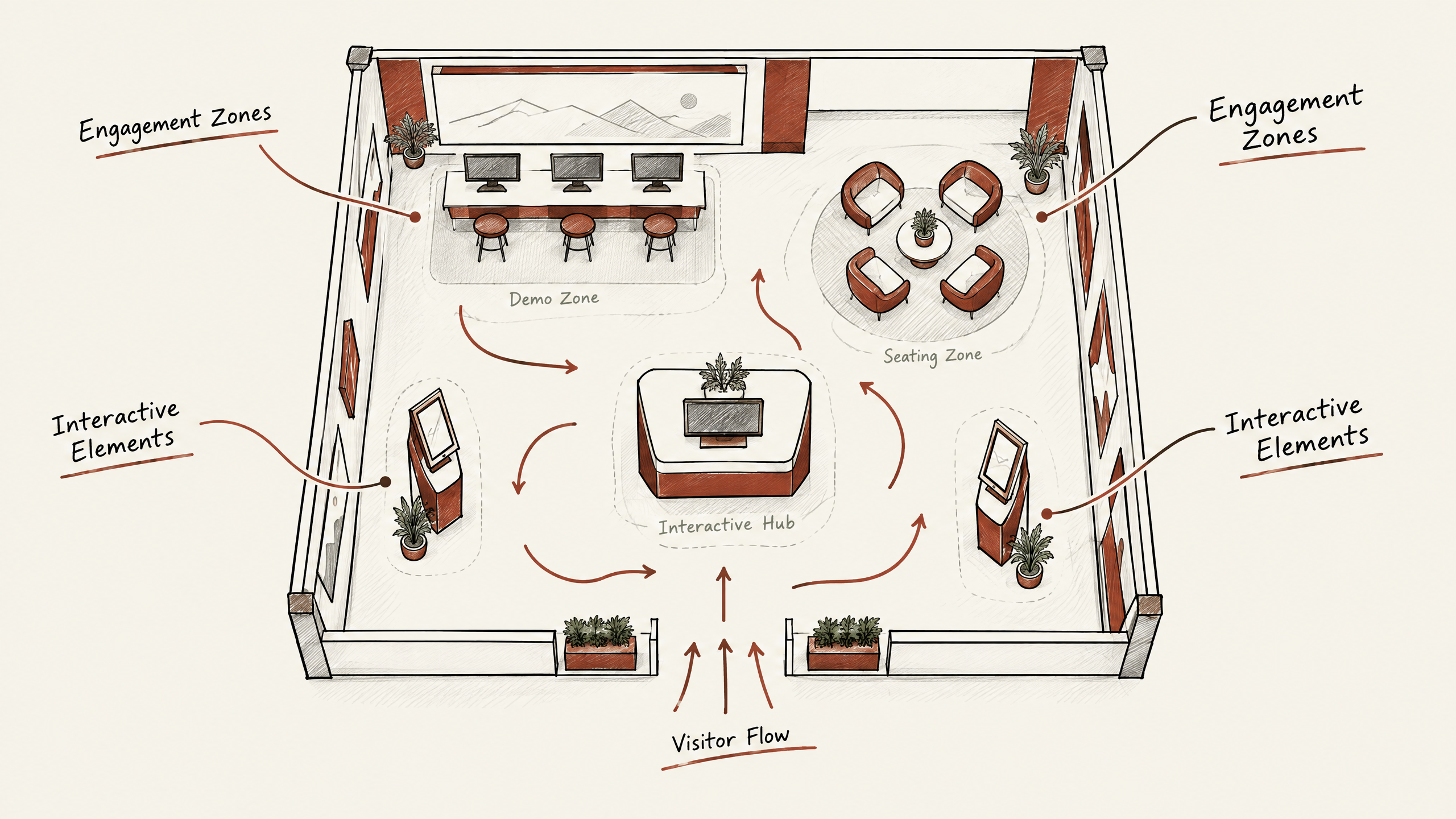
Creating an effective booth layout is crucial for managing visitor engagement at industry-specific trade shows.

Start by understanding the typical traffic patterns in your industry.

If your trade show tends to have high visitor volume, consider wider aisles and open spaces.

5. Improve Booth Layout for Visitor Flow — 6 Essential Elements for Industry-Specific Trade Show Booths

For more niche shows, you might prioritize cozy, detailed displays that invite deeper conversation.

make sure high-demand features, like demos or seating, are easy to access.

This helps maintain a steady flow and keeps visitors engaged.

Interactive elements should be strategically placed to draw visitors in without blocking walkways.

This positioning allows attendees to organically move from one engaging point to another. Experiment with different configurations before the event, possibly in a simulation, to see what drives the most effective traffic flow.

Let’s assume you have a 20×20-foot booth: Position large attractions, such as demonstration stations or video walls, at the back.

This encourages deep exploration rather than quick pass-throughs. Use signage and smaller displays to attract interest and highlight pathways.

Consider placing staff at strategic points to direct flow and answer questions efficiently.

Watch for common mistakes, such as blocking entry points with furniture or creating dead ends that hinder movement. Maintaining a balance between openness and detail ensures your booth remains inviting and events flow smoothly.

6. Plan Efficient Setup and Dismantling

A smooth setup and dismantling process is crucial for maximizing your trade show efficiency. The last thing any exhibitor wants is to be bogged down by last-minute hitches.

Efficient planning helps avoid unnecessary stress and allows your team to focus on engaging visitors.

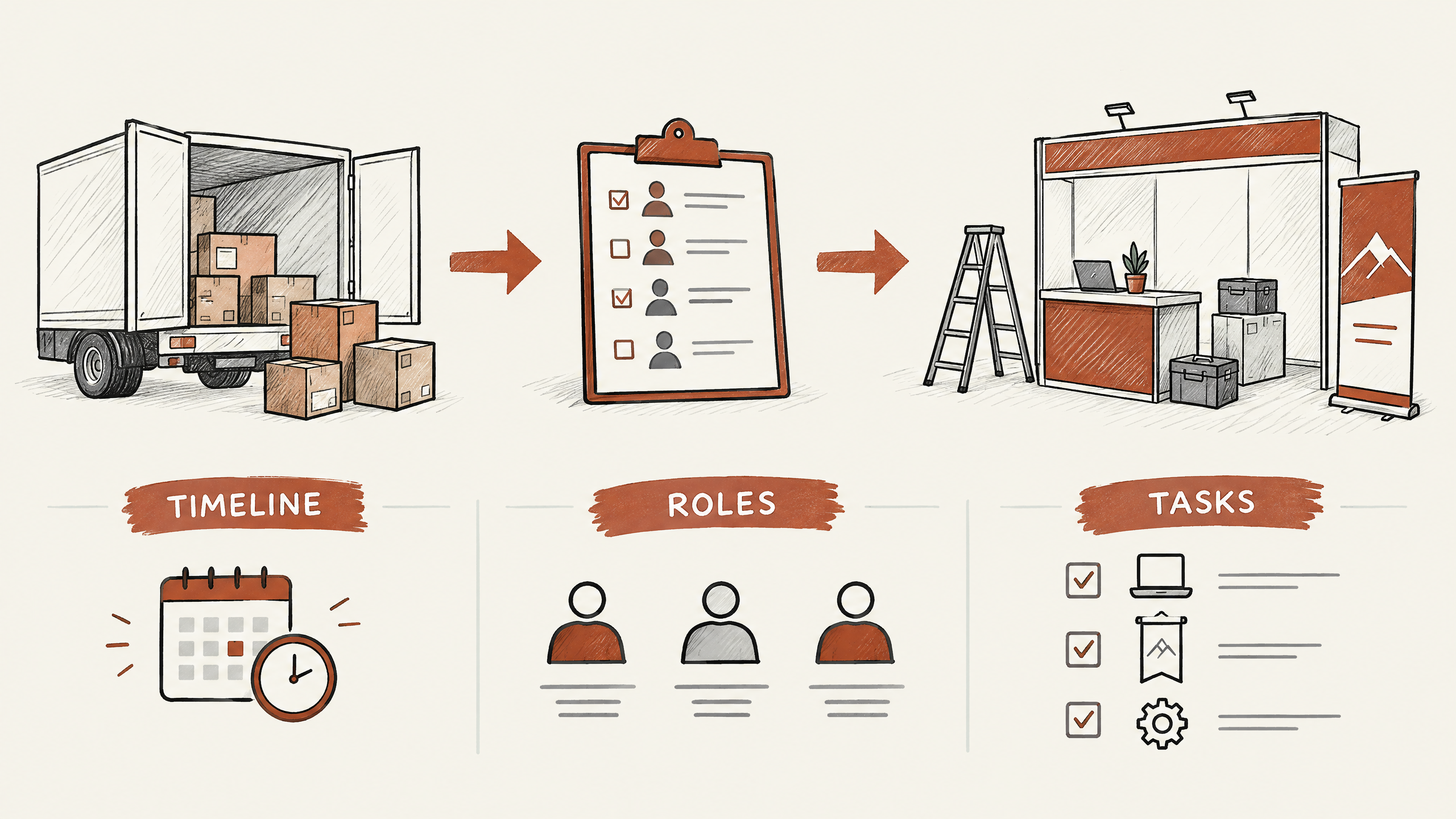
Start by creating a detailed timeline that accounts for every step of the setup process, from unloading materials to final adjustments.

Break down the tasks by assigning specific roles to team members. For example, designate someone to oversee the technical equipment installation and another to handle aesthetic elements like banners or lighting.

6. Plan Efficient Setup and Dismantling — 6 Essential Elements for Industry-Specific Trade Show Booths

By clearly defining responsibilities ahead of time, you make sure that everyone knows their part and can act independently without constant oversight. Avoid the common pitfall of leaving roles undefined until the last minute, which often leads to confusion and delays.

Next, factor in logistical constraints such as venue regulations and the availability of loading docks. Check whether the event venue has restrictions on setup and tear-down times and plan accordingly.

Being aware of these details helps you avoid costly overtime fees and ensures compliance with venue rules.

Also, consider packing your materials in a way that simplifies setup. Label boxes by priority or sequence to simplify unpacking.

Imagine you’re preparing for a tech industry show.

Pro Tip: To simplify your trade show setup and dismantling, assign specific roles to team members and create a detailed timeline that includes logistical constraints and venue regulations.

You might want to allocate extra time for the installation of sensitive electronics, as tech booths often include complex displays.

If you assume a two-hour window for setup, planning for contingencies like unexpected technical glitches becomes critical. Anticipating potential issues enables your team to remain adaptable and less prone to last-minute disruptions.

Finally, after the event concludes, a structured dismantling plan can save you time and protect your materials for future use. Keep an inventory checklist handy, ensuring nothing is left behind.

At Exhibitant, we help organize and simplify booth logistics as part of our trade show exhibit support, leaving your team free to focus on post-show follow-ups.

What It All Comes Down To

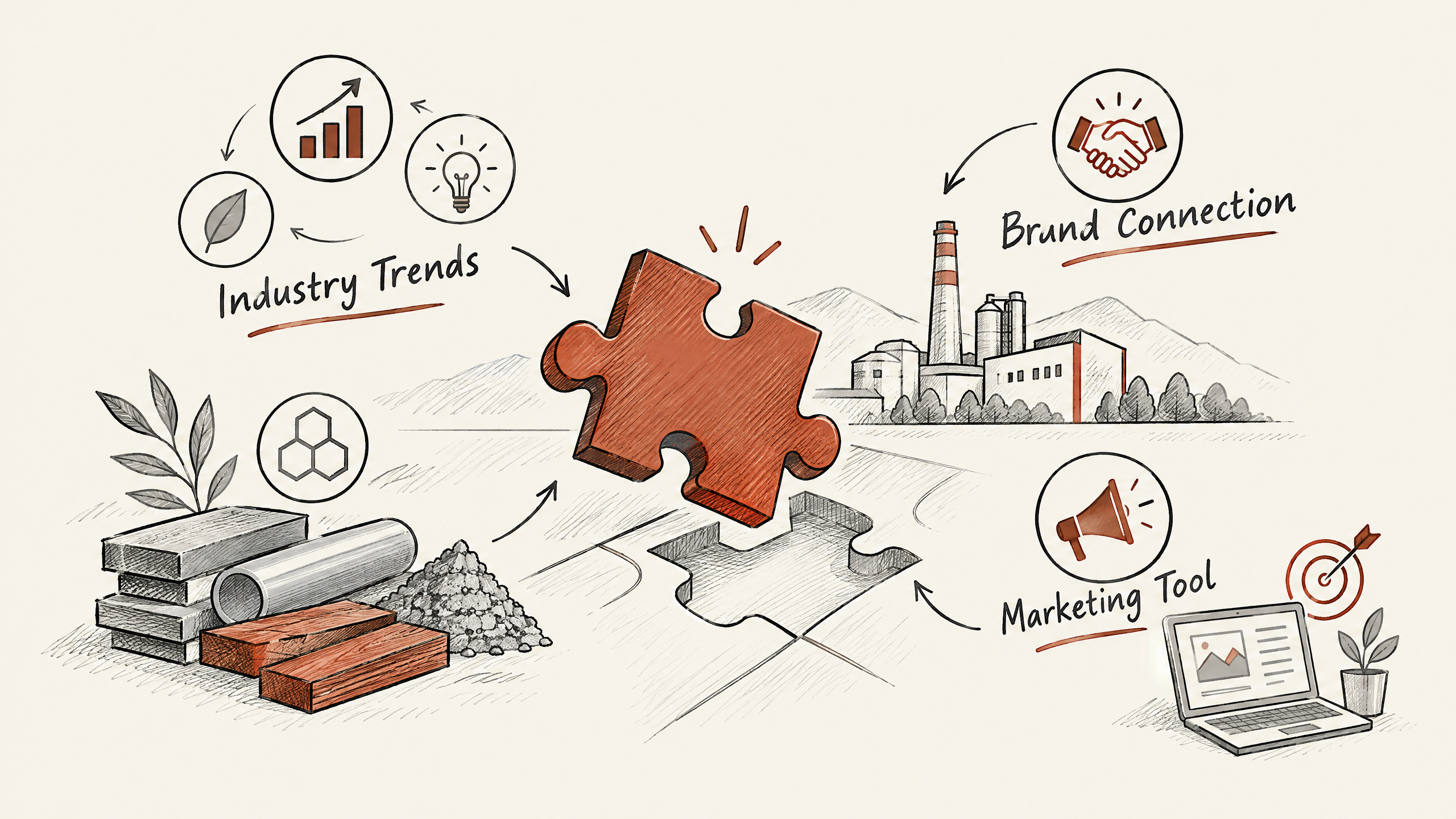
The key to a successful trade show booth is integrating the unique elements that resonate with your specific industry.

Each decision you make from understanding industry trends to selecting materials for your booth should reflect and reinforce your brand’s connection to the field.

In doing this, you don’t just create a visually compelling presence; you also convey the expertise and authenticity that potential clients expect.

What It All Comes Down To — 6 Essential Elements for Industry-Specific Trade Show Booths

Reflecting on the strategic importance of these elements will guide your team in crafting a booth that not only stands out but effectively communicates your company’s value. These tailored choices make sure that your exhibit functions as a powerful marketing tool, attracting the right attention and fostering meaningful conversations.

As you begin planning your next trade show appearance, keep these essential elements in mind.

They will become the foundation upon which to build an engaging and industry-specific booth that aligns with your wider business objectives.

Need a booth plan?

Turn show goals into a practical exhibit path

Share your footprint, timeline, and priorities. Our team can help shape the booth direction, graphics, and project support.

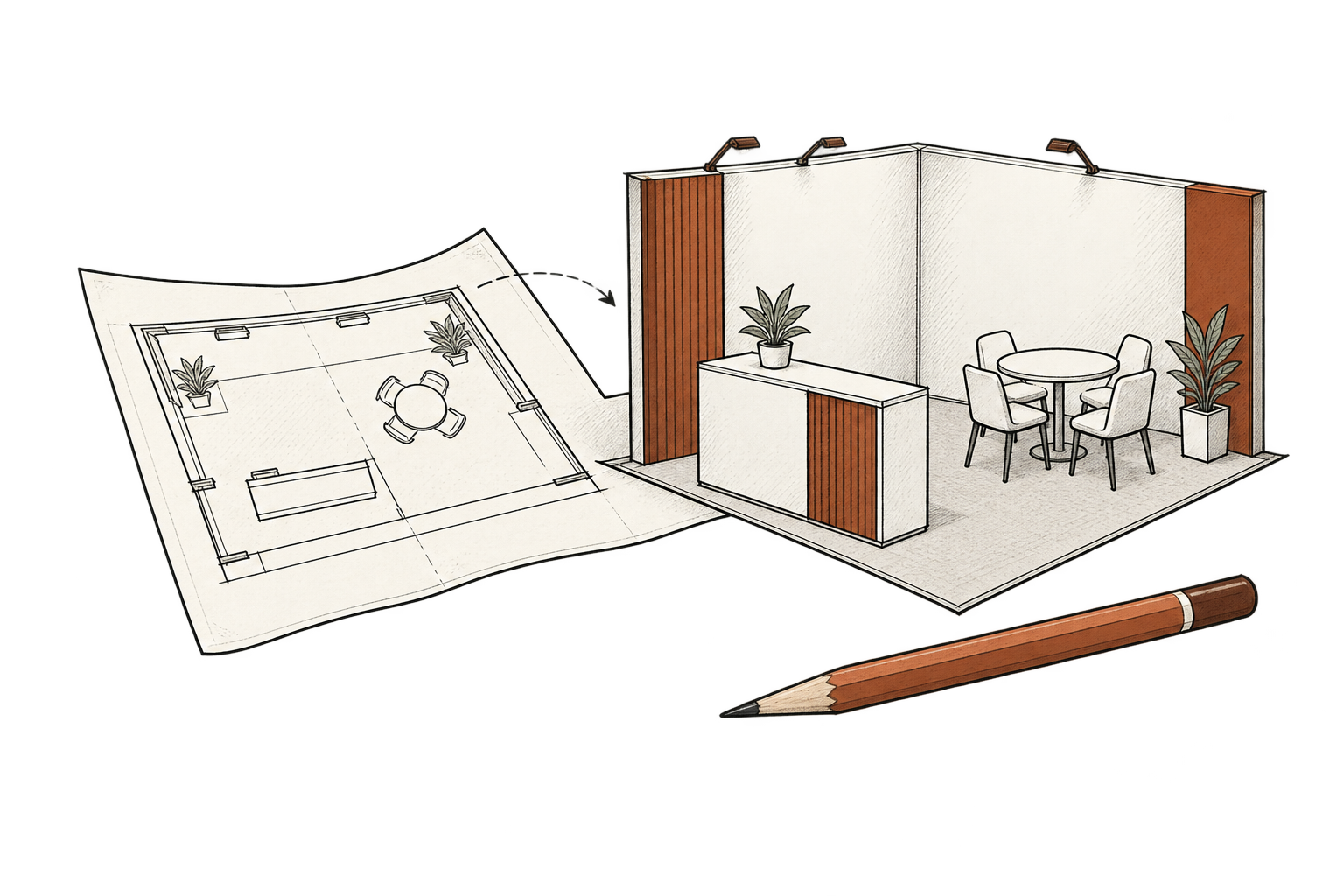
Hand-drawn booth floor plan and exhibit with cedar accents

Contact our team

Tell us who you want to reach

Tell us about your business, the buyers you want to reach, and what you want to achieve. Whether you need more sales conversations, stronger marketing, or a trade show presence, we’ll help you identify where to focus and what support makes sense. Together, we can shape a practical plan around your priorities, budget, and timeline.

info@exhibitant.com

Tell us what you need

A few details will help us make the most of our conversation.