 Lorena G.
Budgeting for a trade show booth can be a daunting task, but getting it right is crucial.
A well-planned budget not only helps you manage costs but also ensures you don’t encounter unpleasant surprises.
As someone who has navigated the complexities of booth costs, I know how easily mistakes can undermine your efforts.
One of the most common issues is underestimating initial costs, leading to financial strain later.
It’s important to recognize all potential expenses upfront to avoid budget-driven constraints.
From materials to staffing, setting a realistic expectation for your initial investments is key.
Another frequent mistake is ignoring past budget data.
Historical data can provide valuable insights into where your spending tends to fluctuate and highlight areas for potential reductions. Regularly reviewing past expenses can inform current decisions, helping simplify this year’s budget.
By the end of this article, you’ll be equipped to identify and bypass these pitfalls effectively.
I will walk you through practical strategies that align costs with goals, ensuring your booth’s success without unnecessary strain on finances.
- Set a realistic budget to prevent unexpected expenses.
- Review past expenses to identify cost-saving opportunities.
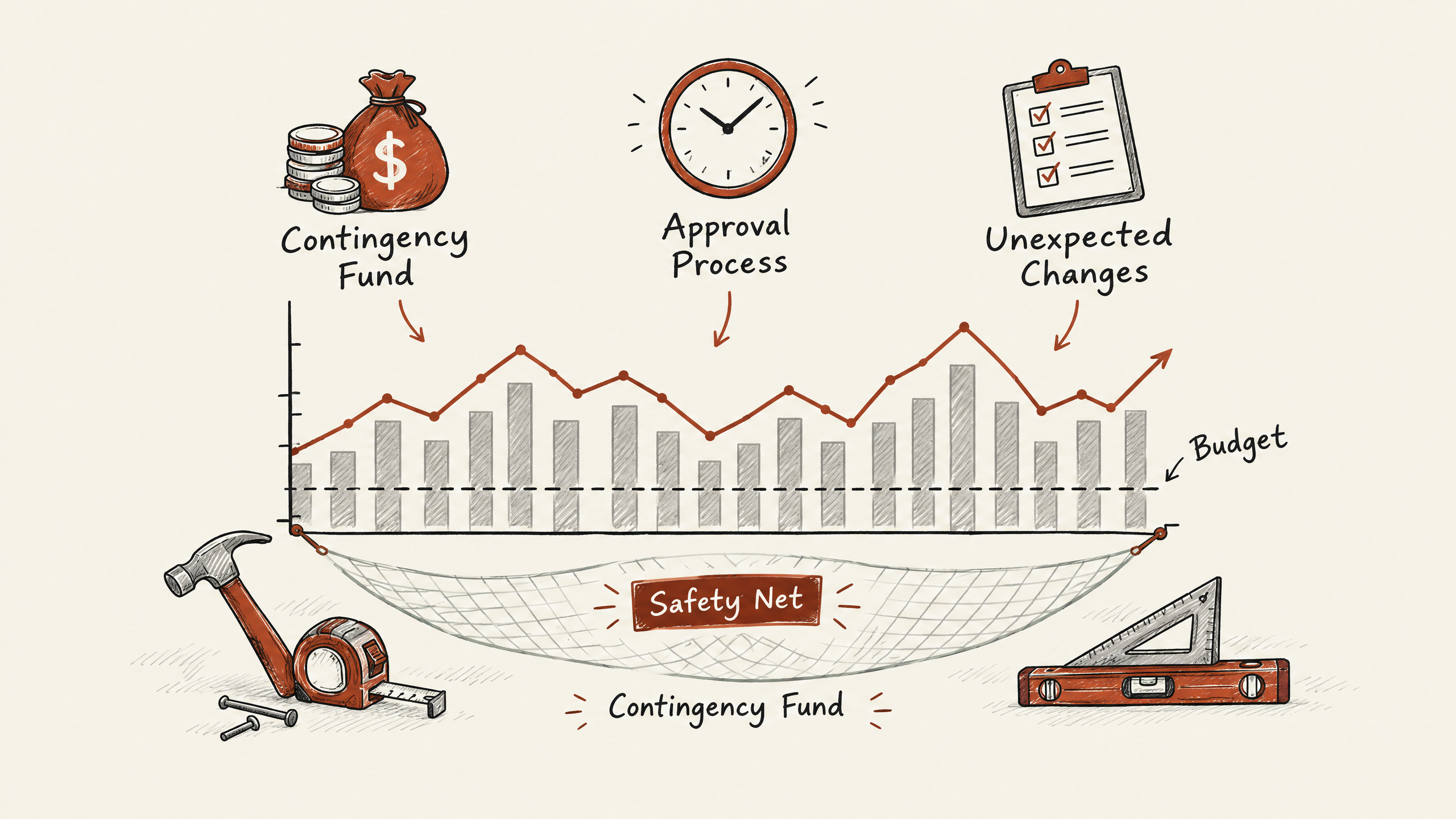
- Allocate funds for unexpected last-minute changes.
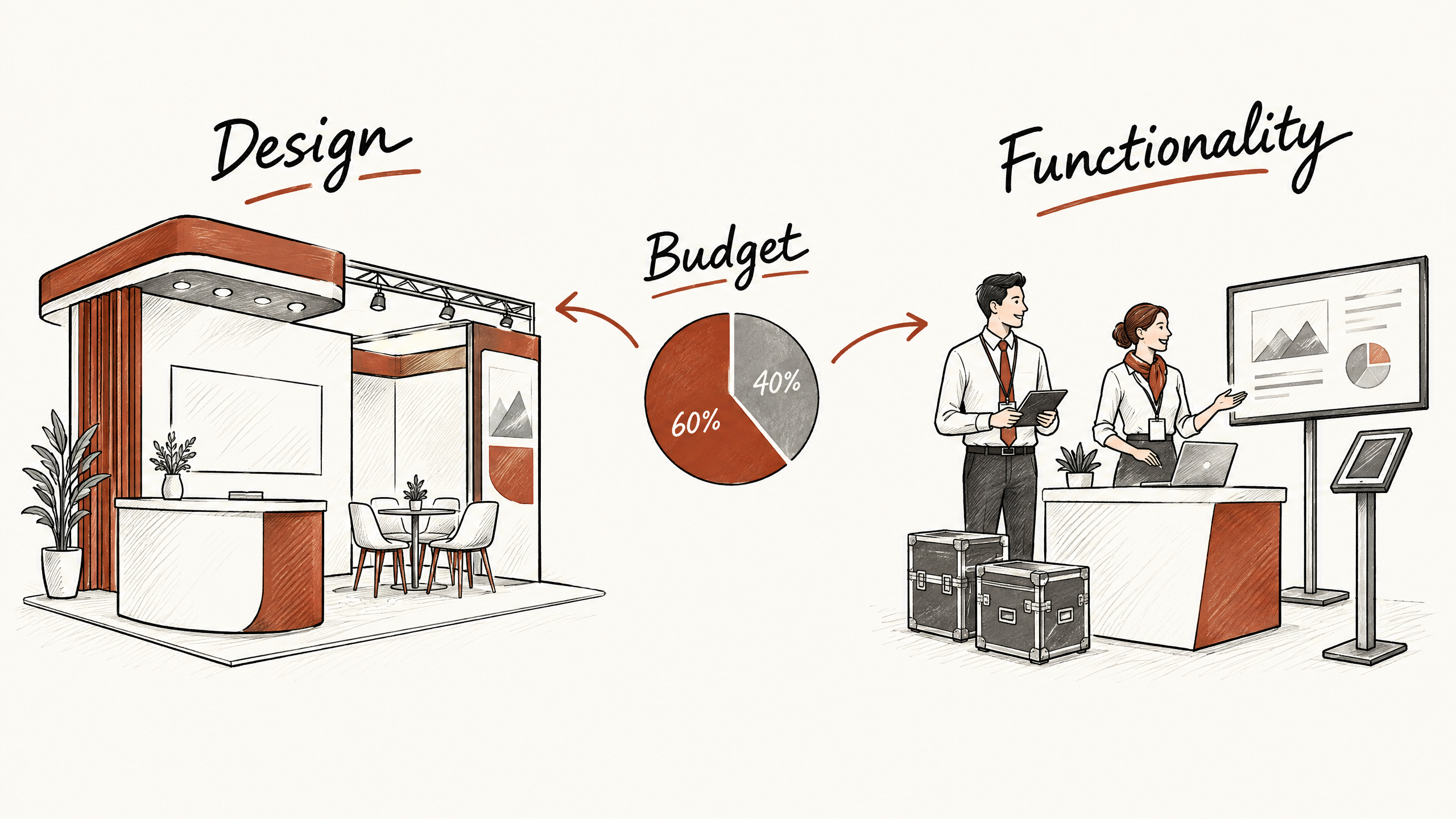
- Prioritize ROI over aesthetic enhancements.
- Plan for transport and storage costs in advance.
Consider how each of these steps can help you create a more effective trade show budget.
Look closer at past spending to identify savings, and set funds aside for unexpected costs.
1. Underestimating Initial Costs
When planning a trade show booth, one of the most common pitfalls is underestimating initial costs.
It’s not simply about the booth itself.
Booth costs encompass everything from design elements to structural components. Missing these details can lead to unexpected expenses and stress once the expo draw near.
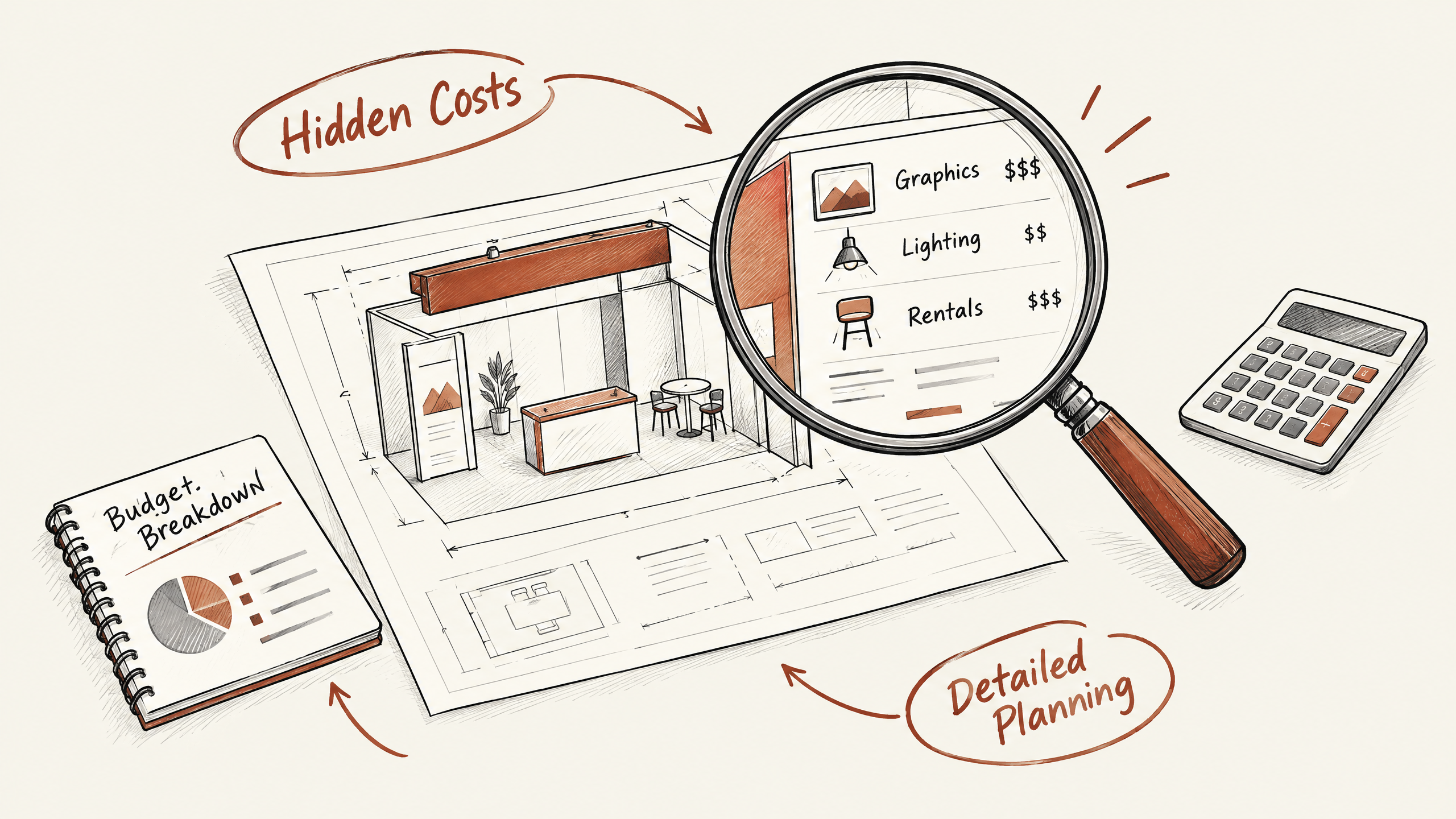
Start by creating a list of potential expenses.
This should include design and construction costs, any rentals needed, and related services like lighting and audio-visual tech.
It’s crucial to account for every component to minimize surprises.
For example, a 10×10 booth could look affordable at first glance.
However, adding customized graphics, specialized lighting, or unique interactive elements can significantly increase costs.
Budget for these extras from the onset to avoid last-minute budget crunches.
Work with your team to set up itemized lists that cover every aspect from the start.
This list acts as your budgeting backbone and helps align your booth’s potential with available resources.
You want to factor in all the design possibilities upfront, rather than scrambling to justify expenditures later.
A common mistake is overlooking inspection fees and other overlooked but essential services.
Let’s say your booth requires specific safety inspections or additional permits. Failing to include these in your initial budget could mean crucial financial adjustments down the line.
At Exhibitant, we recommend adopting a comprehensive budgeting approach.
By expecting potential added costs early on, your financial planning becomes more solid. This ensures you remain within budget throughout the project.
It isn’t just about avoiding surprise costs but preparing for a full financial picture from start.
2. Ignoring Past Budget Data
Avoiding past budget data can lead to significant missteps in trade show planning.
It’s crucial to review and analyze previous expenses, as past budgets serve as an invaluable resource for setting realistic expectations.
By doing so, you can identify any patterns or anomalies that might have occurred, allowing you to plan more effectively for future trade shows.
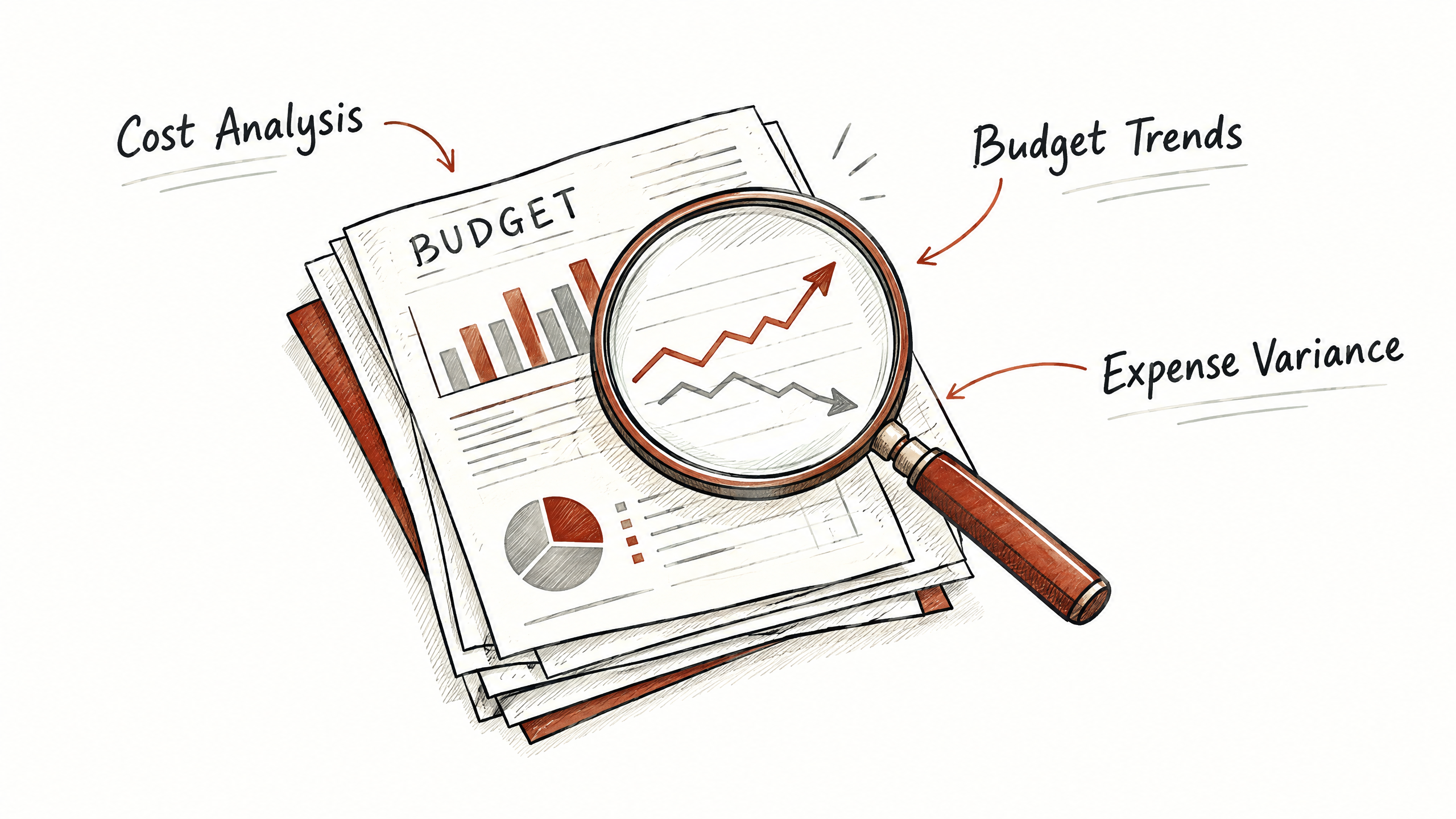
Start by gathering all relevant financial documentation from past events.
Look closely at categories where costs exceeded expectations and where you successfully stayed under budget. Understanding these variances helps you anticipate areas where you might allocate additional resources or identify opportunities to save.
Often, companies overlook how certain costs can fluctuate, like shipping or labor fees, leading to unforeseen overruns.
One concrete example involves a business that previously assumed labor costs would remain static, only to discover they rose sharply due to last-minute changes. For the next event, they adjusted their budget projections to accommodate potential increases in these variable costs.
You should examine historical data to make similar adjustments specific to your organization.
While mining past budget data, do beware of the common mistake of assuming that every cost will mirror previous events exactly.
Trade shows can vary greatly, impacted by changes in location, exhibition size, or the economic climate. Be prepared to adapt your budget plan to account for such changes, ensuring no critical details are missed.
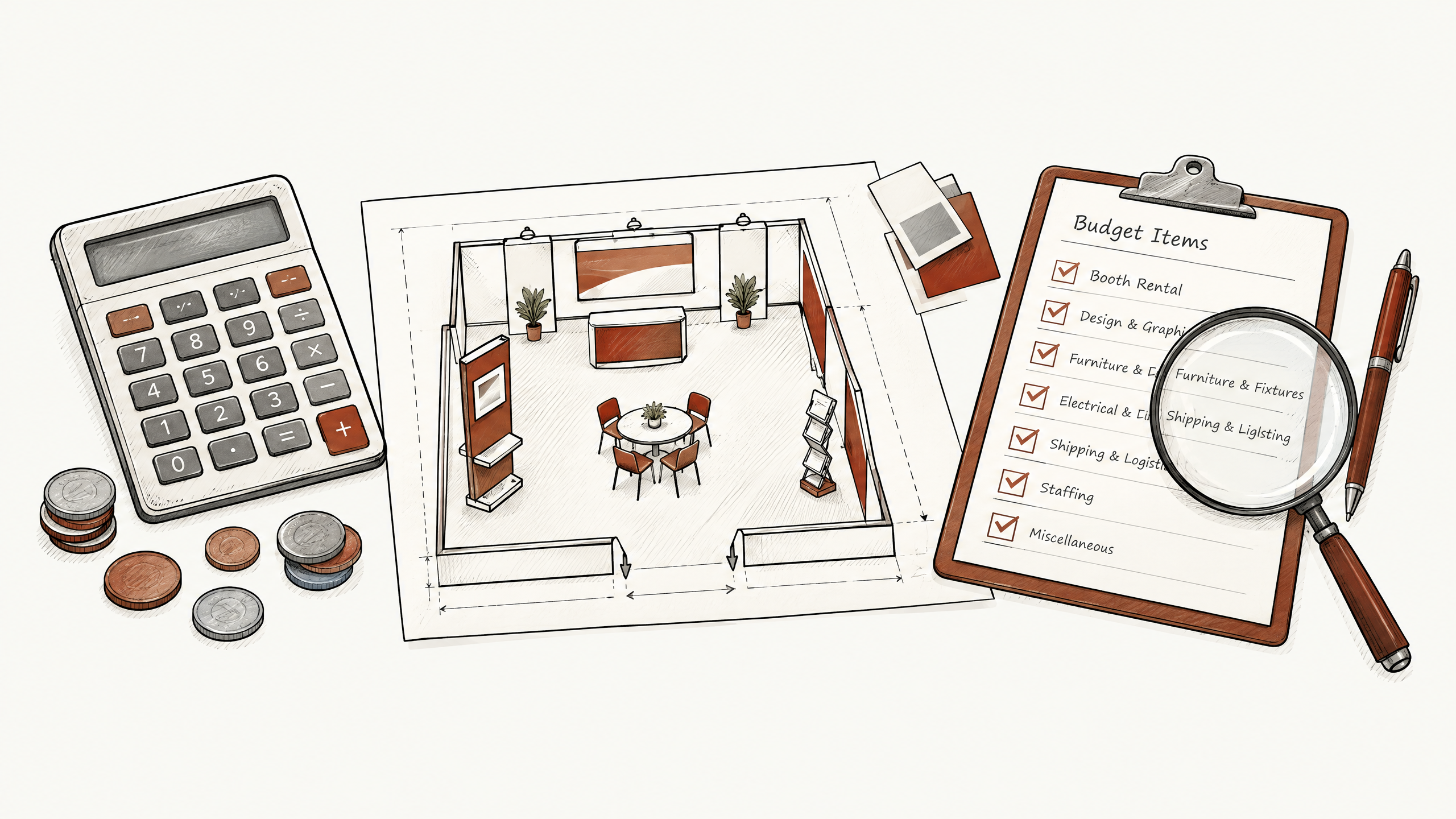
To facilitate this process, create a checklist of key budget line items such as booth design, staffing, travel, and promotional activities. By systematically comparing past and current data in these categories, you can better manage your overall budget and have greater confidence in your financial planning for upcoming trade shows.
3. Overlooking Hidden Expenses
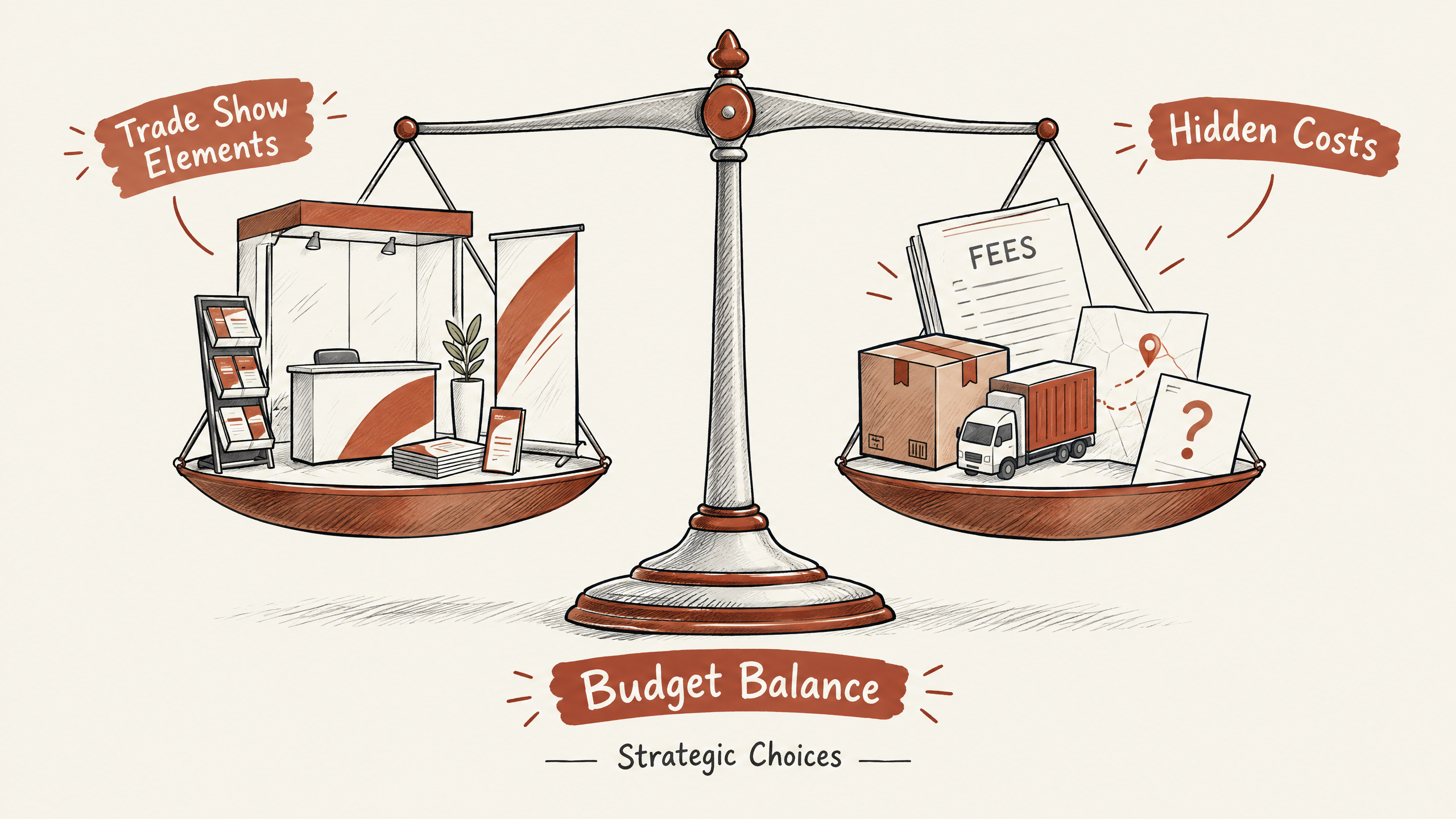
Hidden expenses can catch even the savviest budget planners off guard. When arranging your trade show booth, it’s crucial to explore into all aspects of costs, not just the obvious ones.
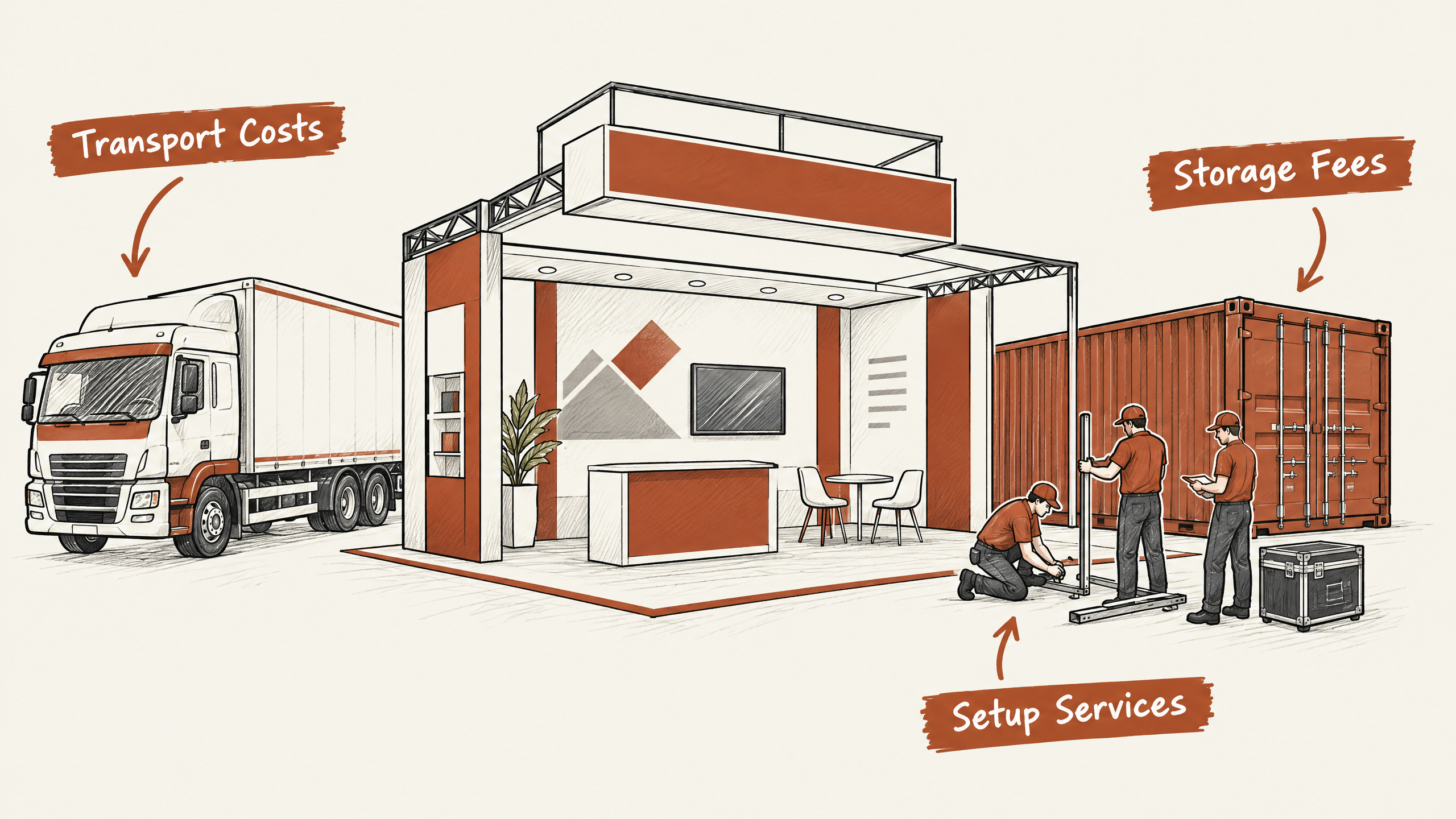
Shipping, storage, on-site labor, and last-minute utilities can quickly inflate expenses, turning a seemingly well-planned budget into a strain.
An often overlooked cost is drayage (the handling of your booth materials once they arrive at the venue). This fee is typically based on weight and can add up if not anticipated.
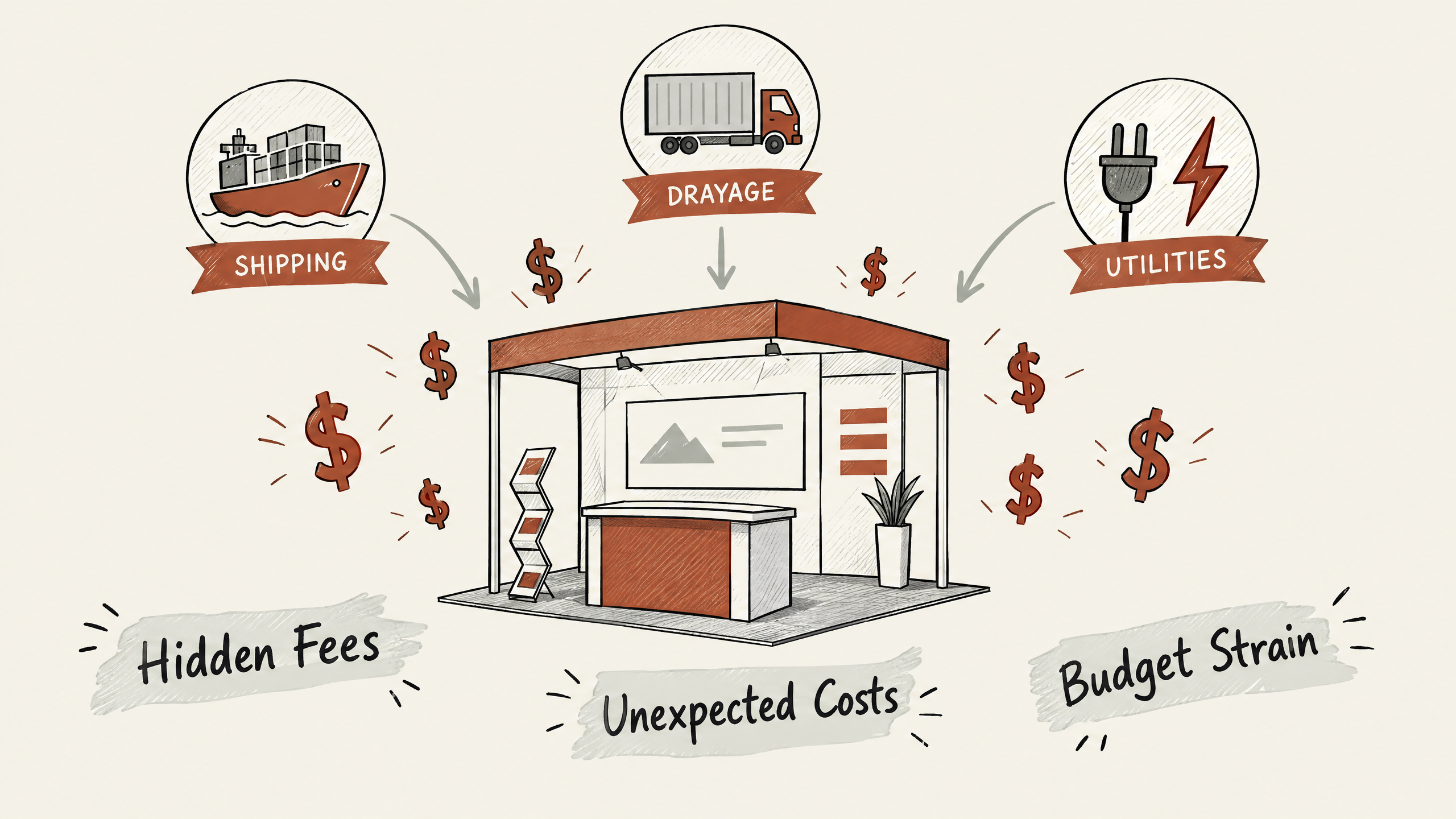
Likewise, electrical and internet fees at the venue often surprise teams as they tack on unplanned charges.
Including these costs from the onset prevents unpleasant surprises.
Example: A mid-sized tech company once budgeted $20,000 for a show.
They neglected drayage fees, which added an unexpected $3,000, throwing their budget off-course. A thorough pre-show review, including meticulous details, would have allowed for proper allocation and alignment with financial constraints.
To account for hidden costs, create a detailed list of potential expenses beyond your booth design.
Engage in early discussions with your team and service providers.
Secure written estimates for variable expenses whenever possible.
This comprehensive approach minimizes surprises and provides more financial control during the event.
 Louie J.