 Lorena G.
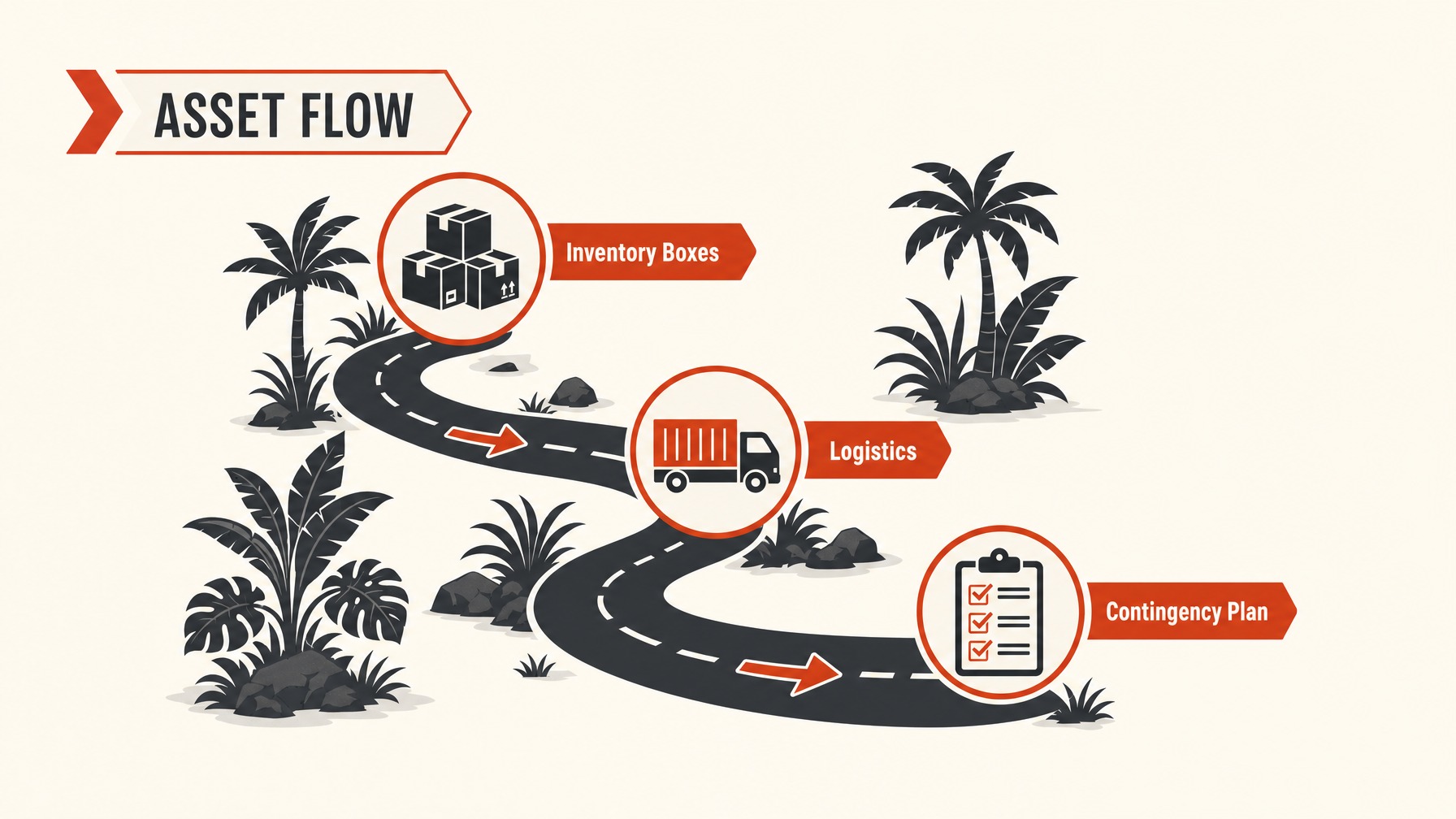
Managing assets in a multi-show program can seem like juggling a dozen balls at once. Each trade show brings its unique set of requirements, and making sure your assets fit those requirements is crucial.
It’s not just about having enough displays; it’s about knowing where they are and how they’re being used. Without a proper system, you might find yourself scrambling to locate important materials just when you need them most.
Sometimes, all it takes is a bit of reorganization to ease this burden.
I’ve seen seasoned exhibitors simplify their operations simply by changing how they track their assets.
Today, I’ll try strategies to hold it all together without dropping a single ball. I’ll cover six smart strategies to manage your assets across multiple shows.
- Centralize digital assets for easier access and updates across shows.
- Implement tagging systems for quick retrieval of assets mid-show.
- Regularly assess assets to reduce clutter and improve visibility.
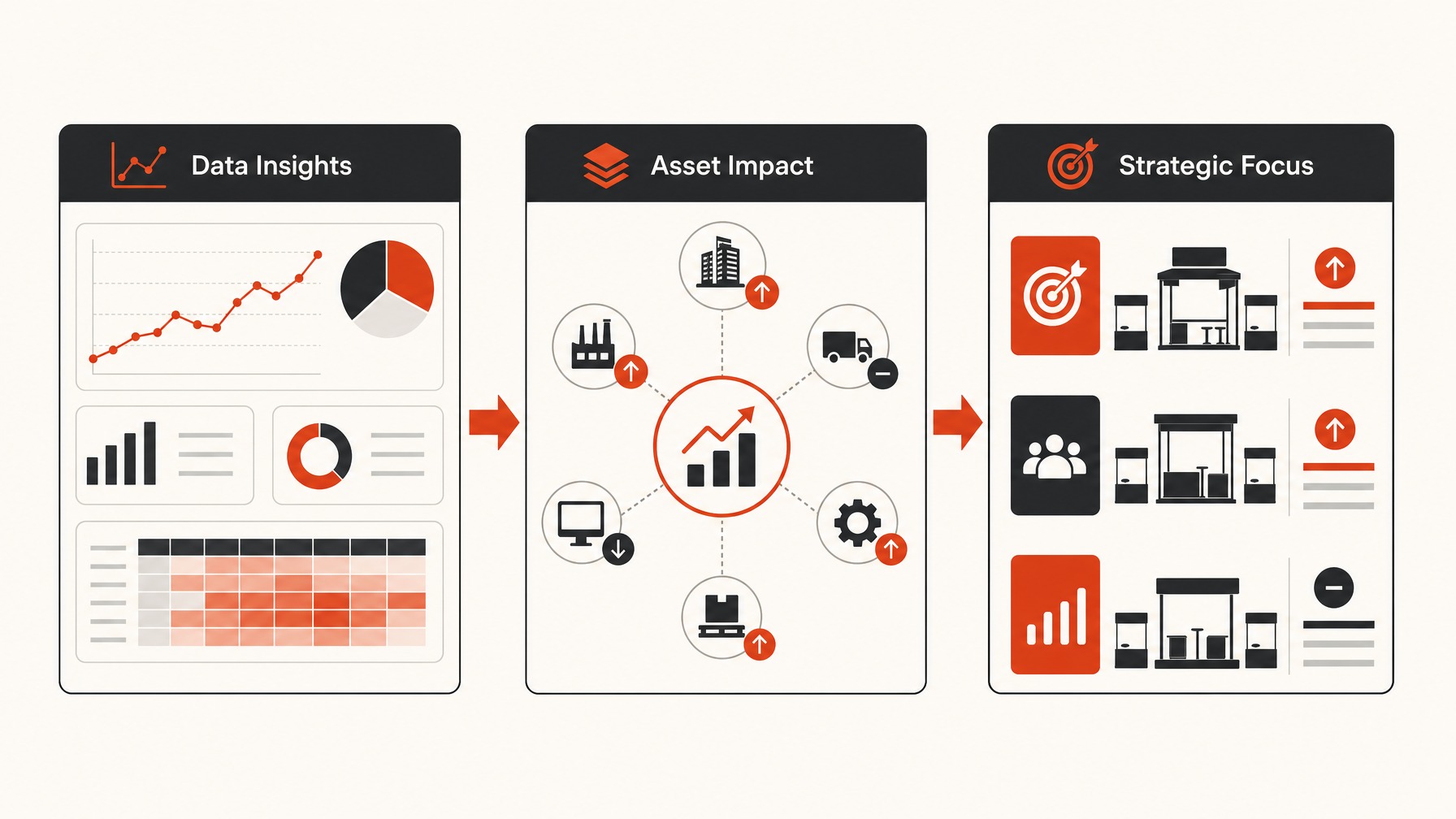
- Use data analytics to prioritize high-performing assets for reuse.
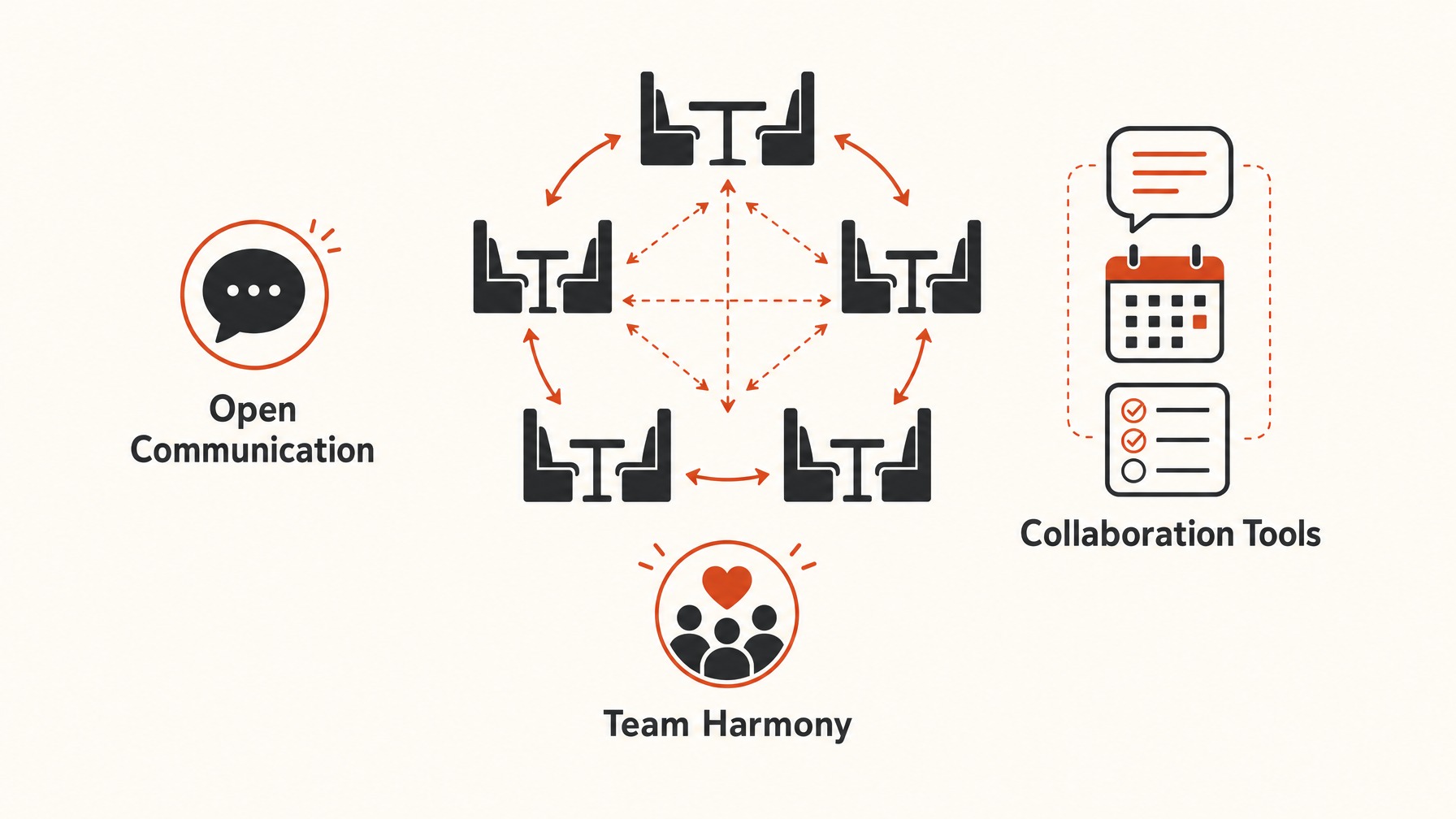
- Foster a culture of communication for successful multi-show asset sharing.
You might be curious about how to make these strategies work best for you.
We’ve got deeper insights and **practical details** waiting for you.
Discover how to better manage **assets** while juggling multiple shows.
You’ll find tips that make your job **easier** and more **efficient**.
1. Centralize Your Digital Assets
A common theme in asset management is having resources scattered across different platforms or devices.
By centralizing all your digital assets, your team can access what they need without unnecessary hassle.
I’ve noticed this change can feel like switching from navigating a labyrinth to following a clear path.
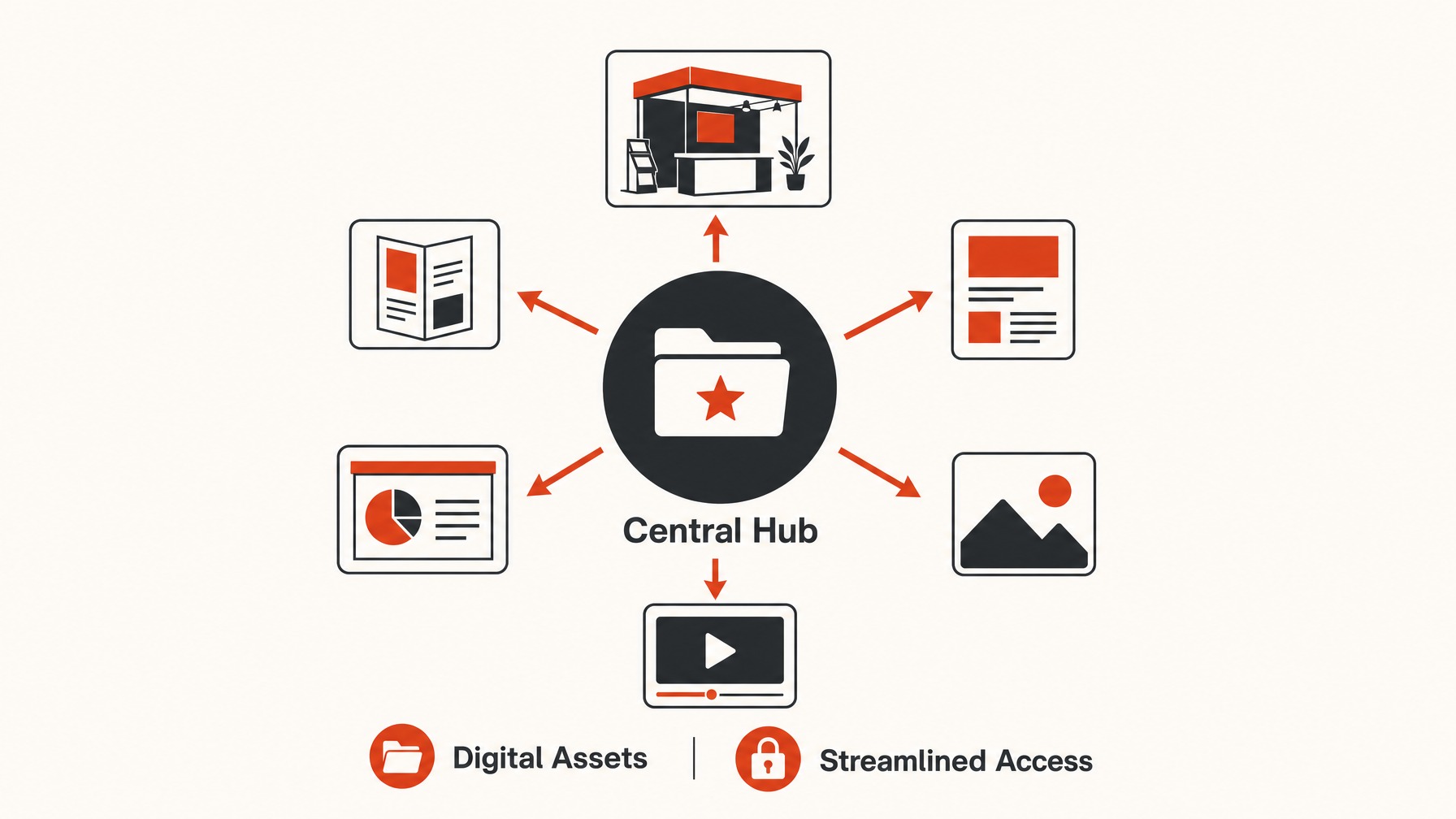
You can use cloud storage to house everything from booth designs to marketing collateral.
With a central hub, you save time and reduce stress when preparing for the next show. Many successful exhibitors I’ve met centralize their assets to great effect.
This approach ensures consistency and quality across all events. Here at Exhibitant, we tend to emphasize centralizing strategies for smooth coordination.
2. use a Tagging System
One effective method for keeping things organized is through a detailed tagging system.
Most exhibitors who adopt this enjoy a more streamlined setup.
When you’re in the thick of things at a trade show, having quick access to the right asset can be a lifesaver. Imagine walking through a library but knowing exactly which book is on which shelf without looking it up.
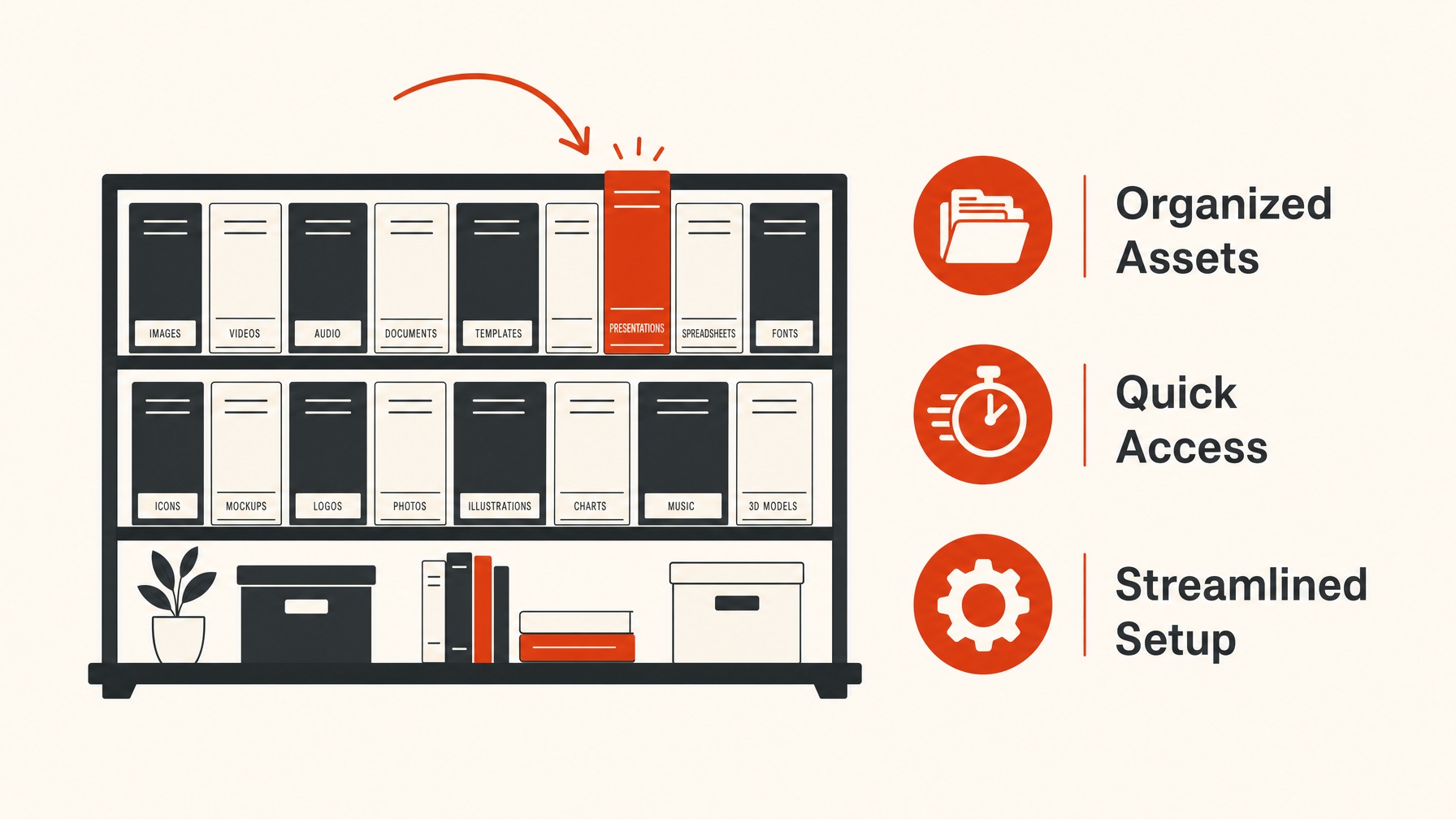
Using tags helps categorize assets by their type, use, or event, making them easier to find.
The idea is to bring precision and speed to your search.
Tags allow you to pull from your repository efficiently even amidst chaos. It’s a straightforward practice that pays off immensely.
3. Conduct Regular Asset Audits
Regular audits of your assets can feel like a chore, but it’s an invaluable practice for maintaining efficiency.
By routinely assessing your inventory, you cut down on clutter and improve visibility.
Think of it as decluttering your garage; it’s about knowing what you have so you can use it well. For many exhibitors, audits have revealed unused resources that could be repurposed or eliminated.
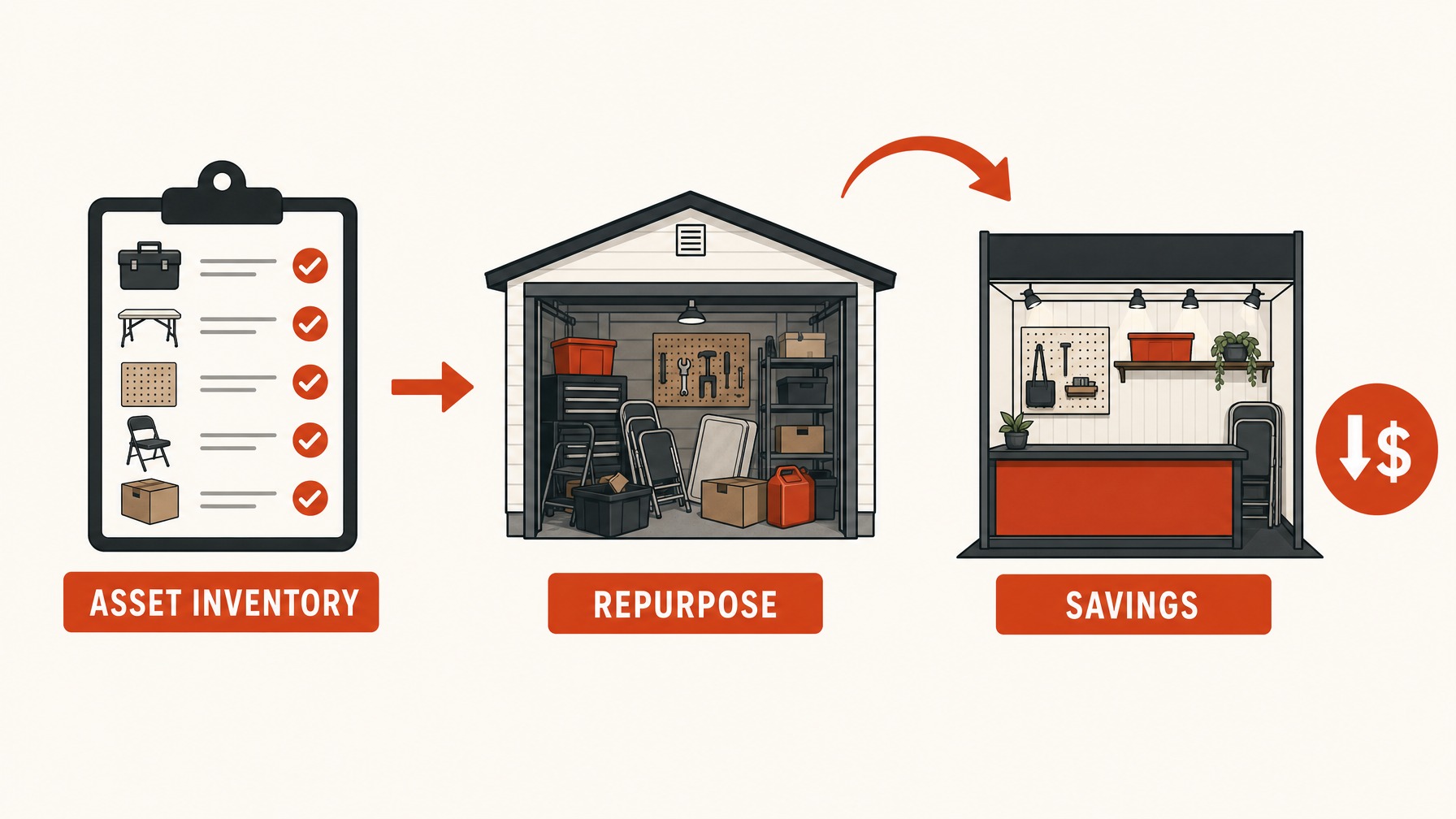
This also helps in preventing unnecessary purchases or rentals when assets are misplaced.
It’s about keeping a clean slate and fostering better tracking habits.
These audits often illuminate where asset management can be improved. Because of this, they often lead directly to cost savings and sharper execution strategies.


 Louie J.