Handling freight for trade shows can feel like wrangling a stubborn bull at times. The process is not only complex but also crucial to the success of your exhibit.
A small hiccup in the logistics can spiral into a bigger problem.
I’ve seen booths arrive too late or pieces go missing right at crunch time.
These freight issues can mess with your carefully planned trade show strategy.
One thing I hear a lot from experienced exhibitors is the importance of learning from shipping mistakes. Being proactive about freight management can save you heaps of stress.
Today, I want to talk about five common freight mistakes that could throw a wrench into your trade show plans. We’ll unpack each one and offer practical advice to steer clear of trouble.
Key Takeaways:
Plan buffer days in your timeline for potential freight delays.
Always confirm venue and service provider requirements in advance.
Consolidate shipments to avoid losing separate packages.
Use reliable carriers with strong trade show experience.
Track shipments closely throughout transit to avoid surprises.
Being prepared can save you a lot of **headaches** at your next trade show.
You’ll learn how to **plan ahead** and handle freight like a pro.
Let’s face it, missing materials can hurt your show, so it’s smart to stay on top of **shipping details**.
Try each section for some **practical tips** and **insider advice** to make your show a hit.
1. Skimping on Buffer Days
Not everyone realizes how important it is to build a cushion into their shipping timeline.
Imagine you’re setting up for a big opening day, but your pieces are still en route.
What we have seen work really well is allowing for buffer days in your timeline to account for delays.
This extra time lets you handle any unexpected hitches without panicking.
It’s not just about feeling secure it’s about ensuring your exhibit arrives intact and ready. Most trade show veterans I know swear by this extra time practice.
They say it saves them from sweating bullets when things take longer than expected.
View buffer days like an insurance policy for your exhibit, safe-guarding against unpredictable delays.
What do you think is the cost of having a shipment arrive late? It can mean rushed setups, reduced staff to cover other responsibilities, or even paying for on-site emergency logistics.
No one wants that headache.
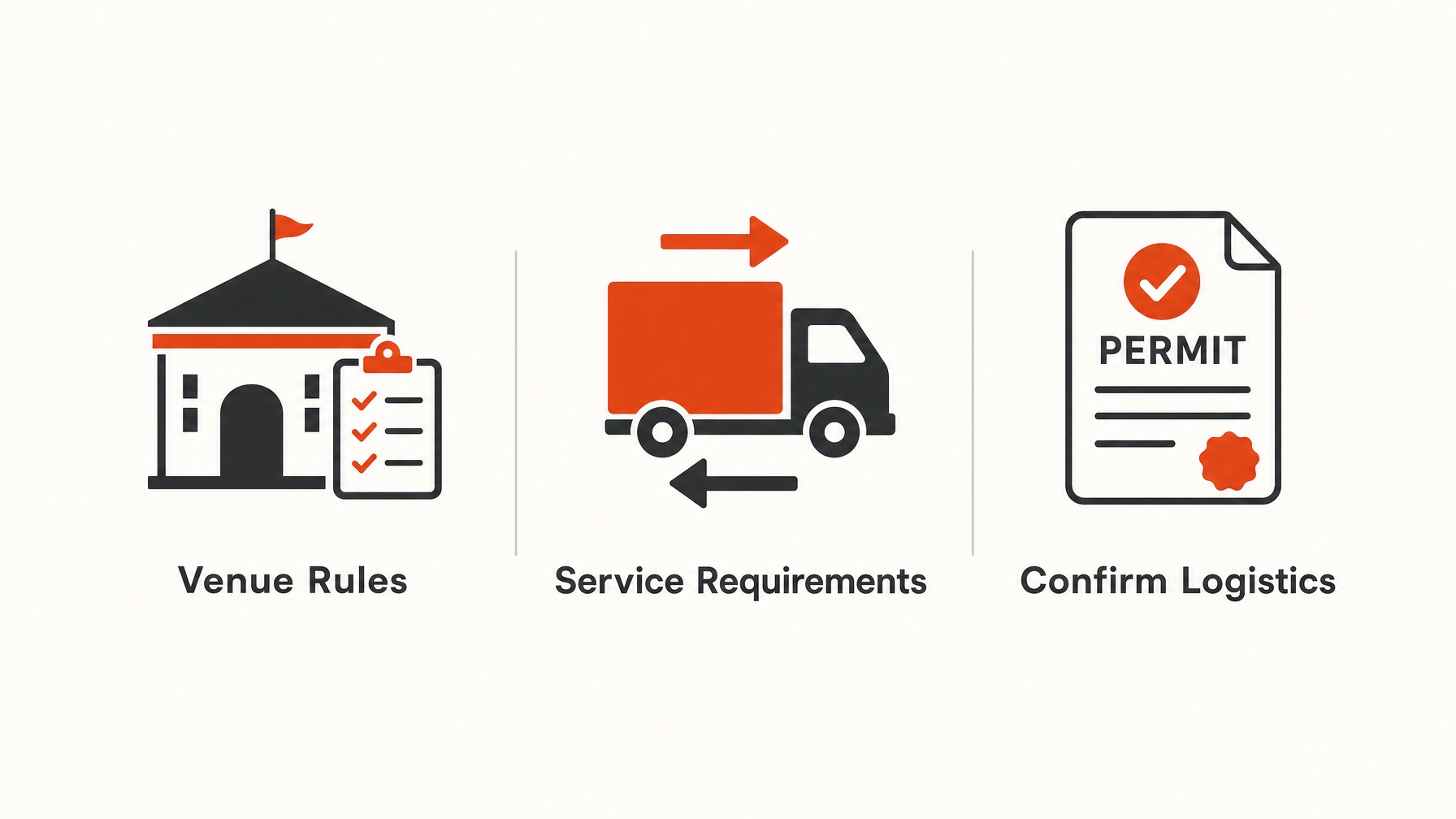
2. Overlooking Venue and Service Provider Requirements
From what we cover at Exhibitant, one common mistake involves not thoroughly understanding venue rules and service provider requirements.
Trade show managers often believe the requirements are same across the board. But even then, not checking in advance can lead to big surprises.
Different venues have different policies for loading, unloading, and handling freight.
The same goes for service providers they have their own processes.
Making just a quick call to verify specifics can make a world of difference.
One overlooked fact is that certain venues require advanced notice or permits for specific shipments.
Neglecting these details is like missing a step in cooking; it might turn your recipe into a disaster.
Confirming logistics can help you dodge any trouble.
3. Splitting Your Shipments
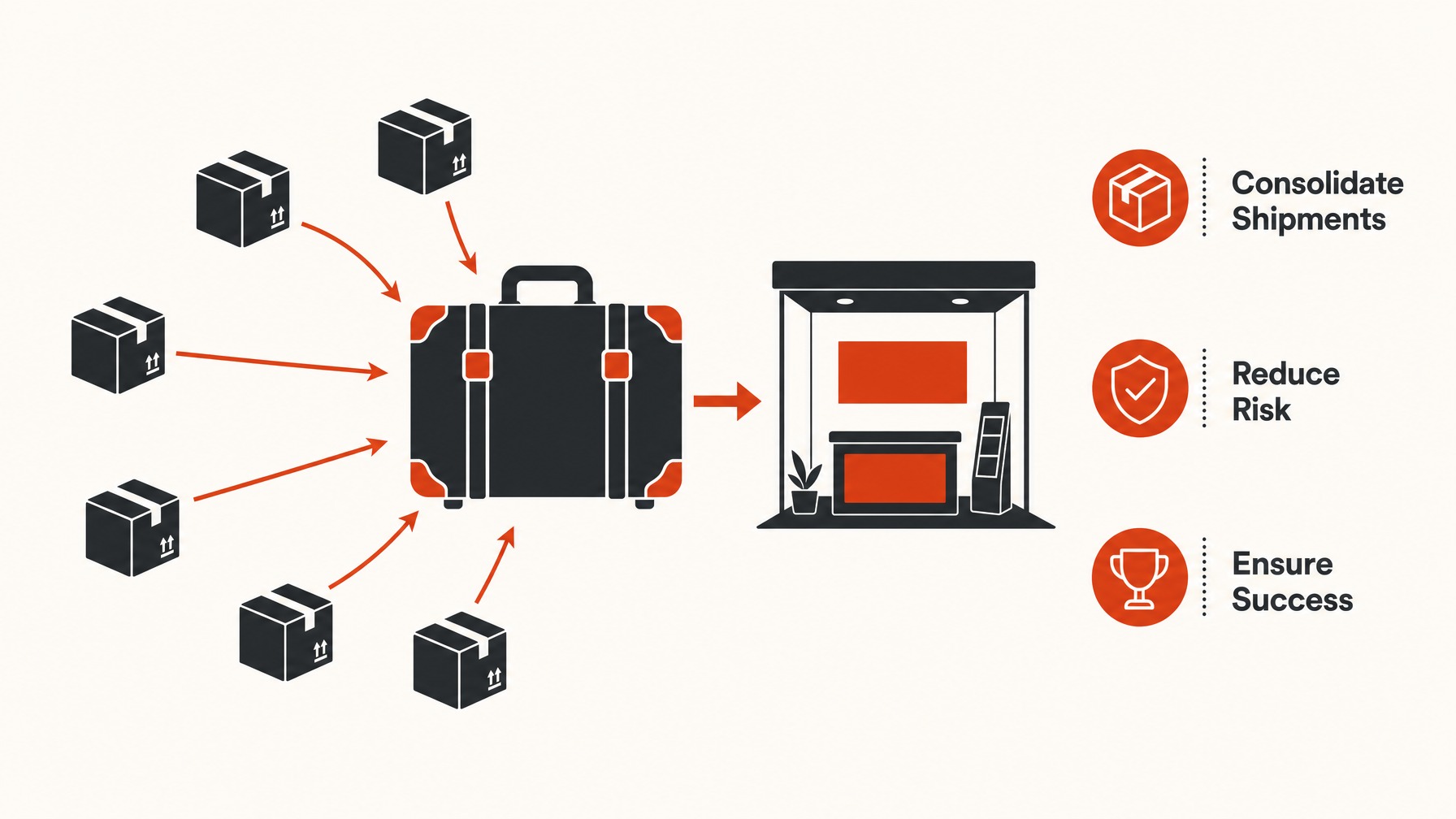
Think about how you pack your luggage for a trip.
Most organized travelers try to fit everything into one suitcase.
When you split shipments, it increases the risk of something going astray.
Items can end up getting delayed or lost because different shipments might take separate routes.
Keeping it simple one consolidated shipment is generally the way to go in trade shows.
This approach minimizes lost or delayed sections of your exhibit.
I would say consolidating shipments is like putting all your eggs in a sturdy basket. You simplify tracking and handling when you keep items together.
And it gives you peace of mind knowing all pieces are moving as one. Having a solid understanding of this can keep your exhibit on the path to success.
4. Choosing the Wrong Carrier
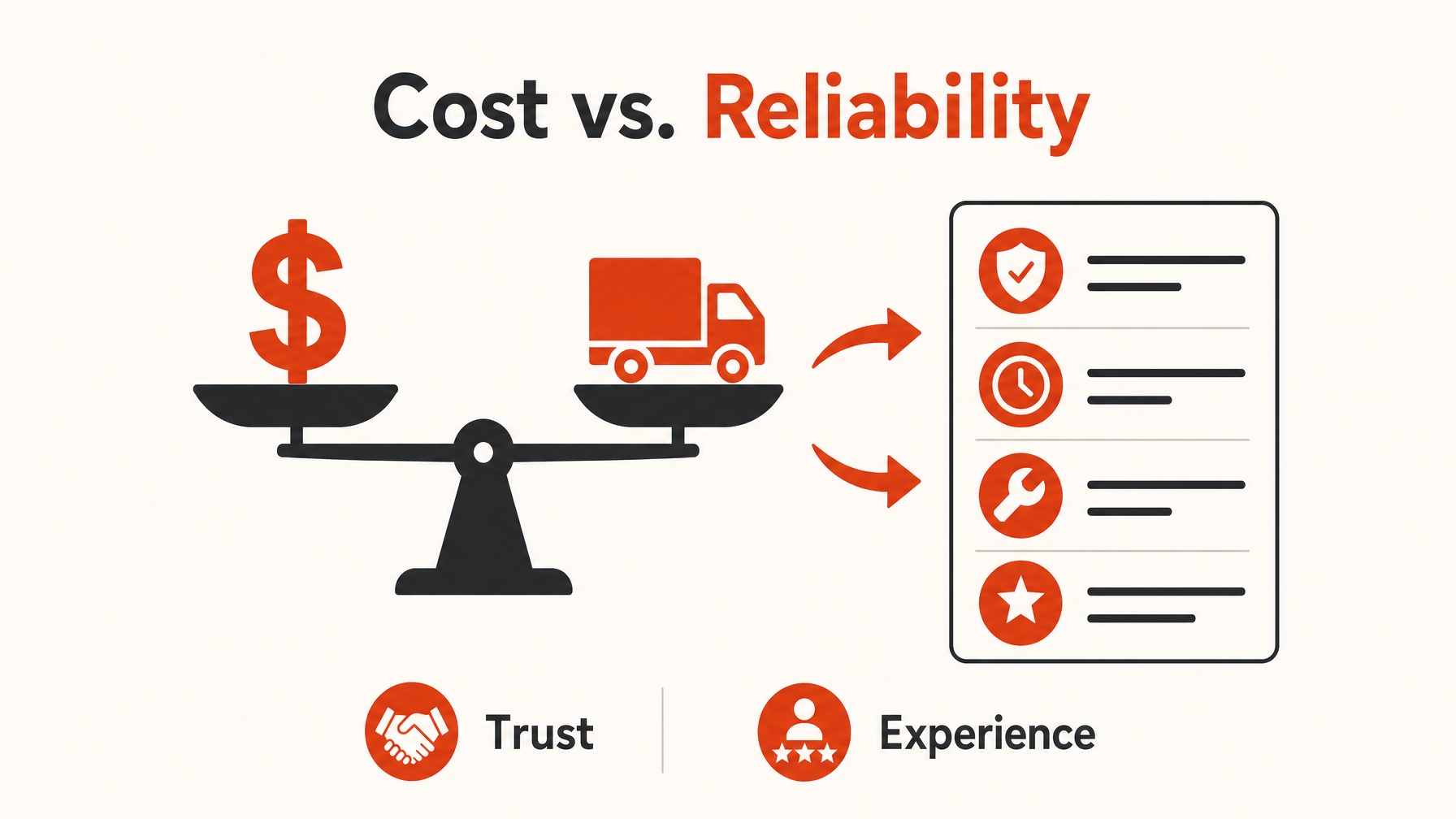
When it comes to choosing your freight carrier, reliability should be a top priority.
Some exhibitors select based on price alone, but cheap can come with its own risks.
From what I’ve seen, the ones that get it right usually opt for experienced carriers. Companies that specialize in trade shows understand the stakes involved.
Choosing a carrier is like picking a business partner; you want someone you can trust. They should have a track record of timely and secure deliveries.
In truth, investing in a reliable carrier helps avoid headaches and protects your bottom line.
With Experienced partners by your side, managing an exhibit isn’t so daunting.
What makes Exhibitant different than most display vendors is our commitment to being a partner, supporting exhibit strategy, booth systems, and complete show support.
5. Not Tracking Your Shipments
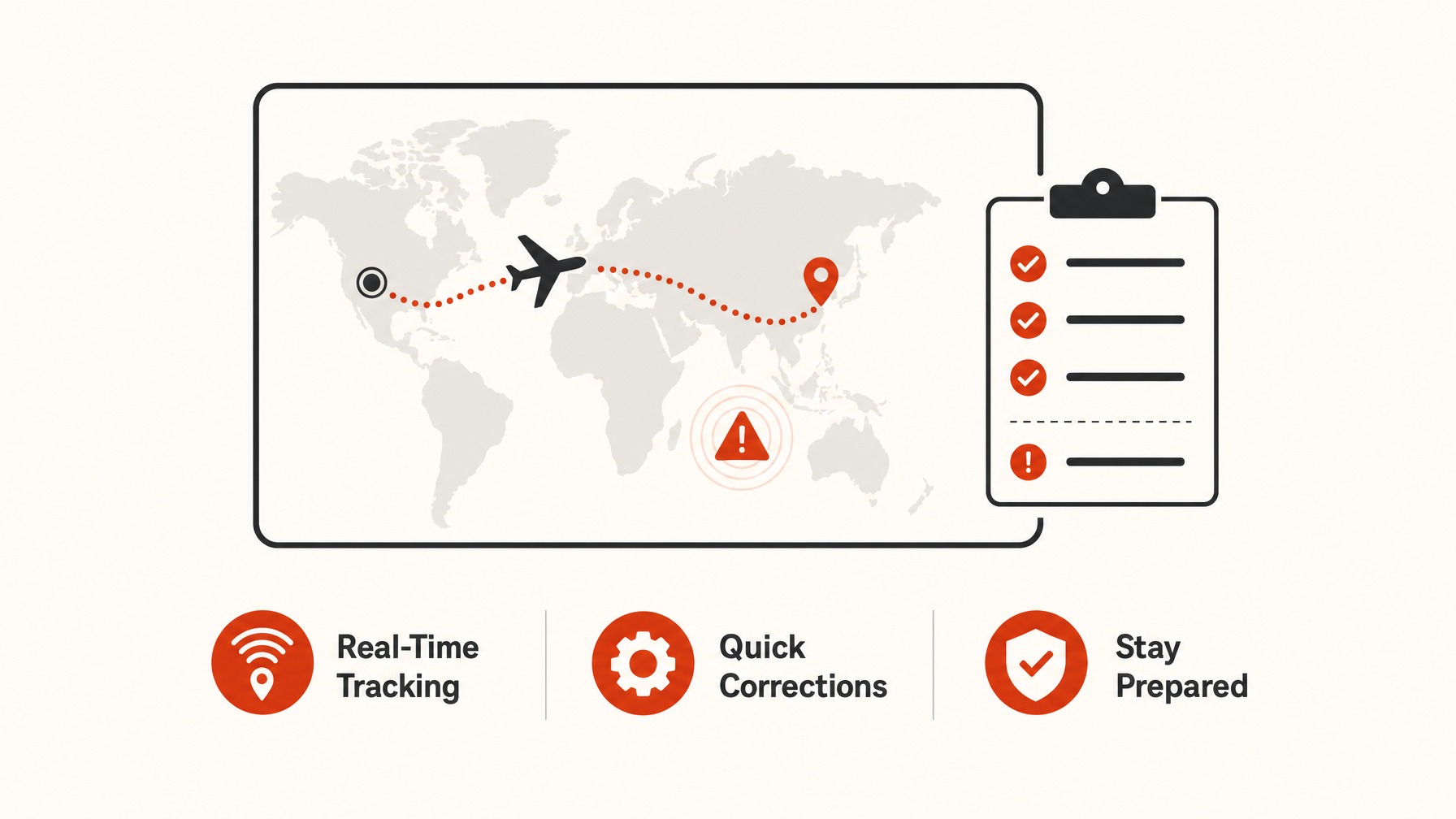
Imagine sending something valuable without knowing where it is at all times. That’s what you risk if you don’t track your shipments.
Most seasoned exhibitors wouldn’t dream of not having tracking info handy.
It’s like trying to fly a plane blind too many things can go wrong. Technology has made it easy to monitor shipments in real time.
Knowing your exhibit’s exact location provides confidence and control.
Proper tracking prevents last-minute shocks and gives you data to handle hiccups quickly.
I’ve heard stories where a simple tracking overview prevented major disasters by catching something askew early. The beauty of tracking is it offers a path to swift corrections.
Stay vigilant and stay prepared; a well-tracked shipment is a happy shipment.
Wrapping Up
Freight management might feel like a puzzle, but every piece counts when you’re preparing for a trade show. Taking these common mistakes into account gives you a head start in ensuring your exhibition runs smoothly.
Each step we discussed can save you from unnecessary stress and financial hits.
Juggling timelines, rules, and carriers becomes a breeze once you know the ropes.
Acting on these insights sharpens your edge in the competitive trade show arena.
It’s all about foreseeing the hurdles and preparing to sidestep them.
Trade show success hinges on anticipating the unexpected and being ready to tackle it head-first. I’m confident that by addressing these pitfalls strategically, you’ll set yourself on a path to exhibit excellence.
Keep refining your process, and those freight issues won’t stand a chance.
Need a booth plan?
Turn show goals into a practical exhibit path
Share your footprint, timeline, and priorities. Our team can help shape the booth direction, graphics, and project support.
Keep planning
More exhibit guidance
Keep exploring practical advice on booth planning, marketing, and getting more from your next show.
Tell us about your business, the buyers you want to reach, and what you want to achieve. Whether you need more sales conversations, stronger marketing, or a trade show presence, we’ll help you identify where to focus and what support makes sense. Together, we can shape a practical plan around your priorities, budget, and timeline.
 Louie J.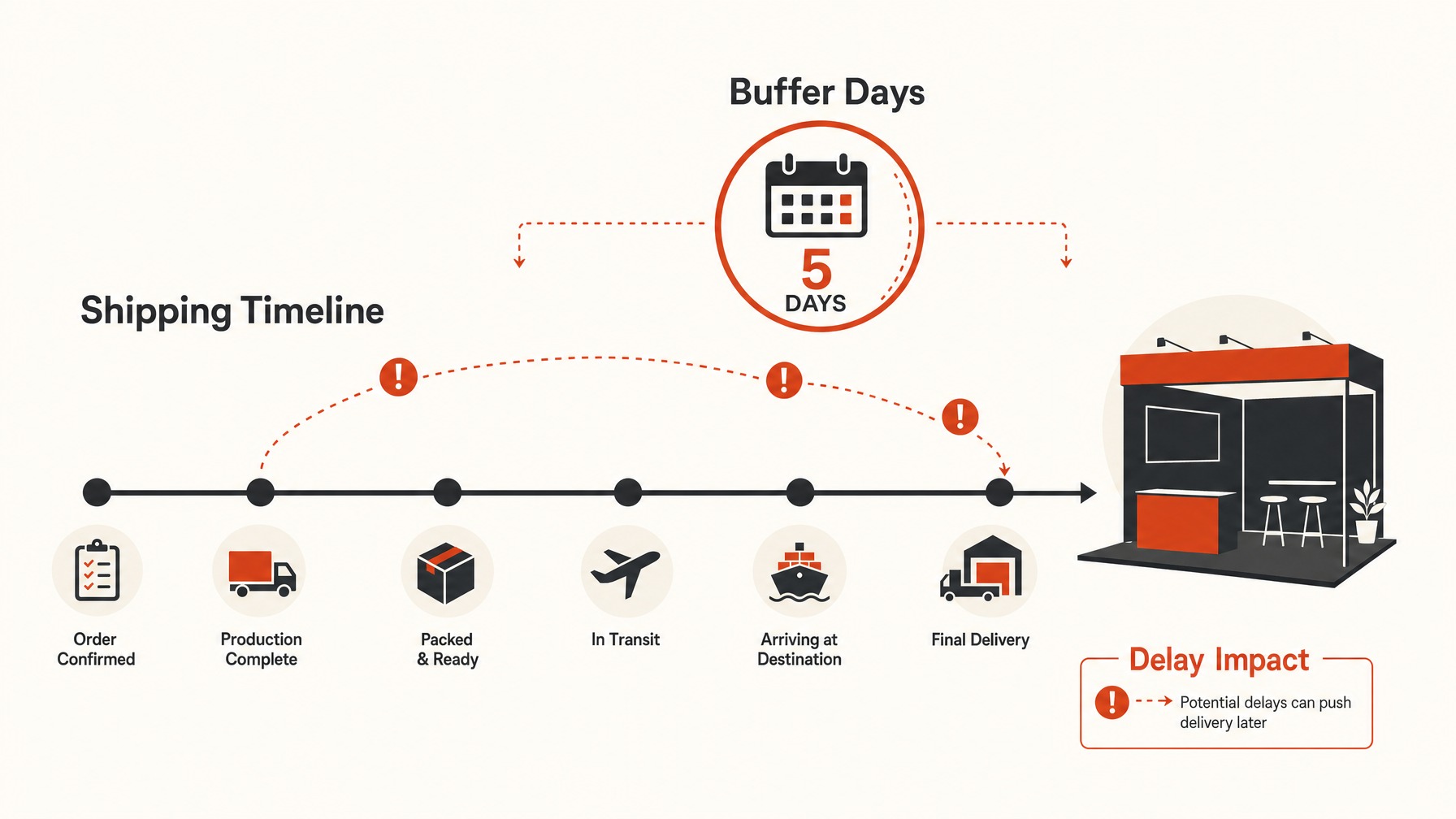


 Lorena G.