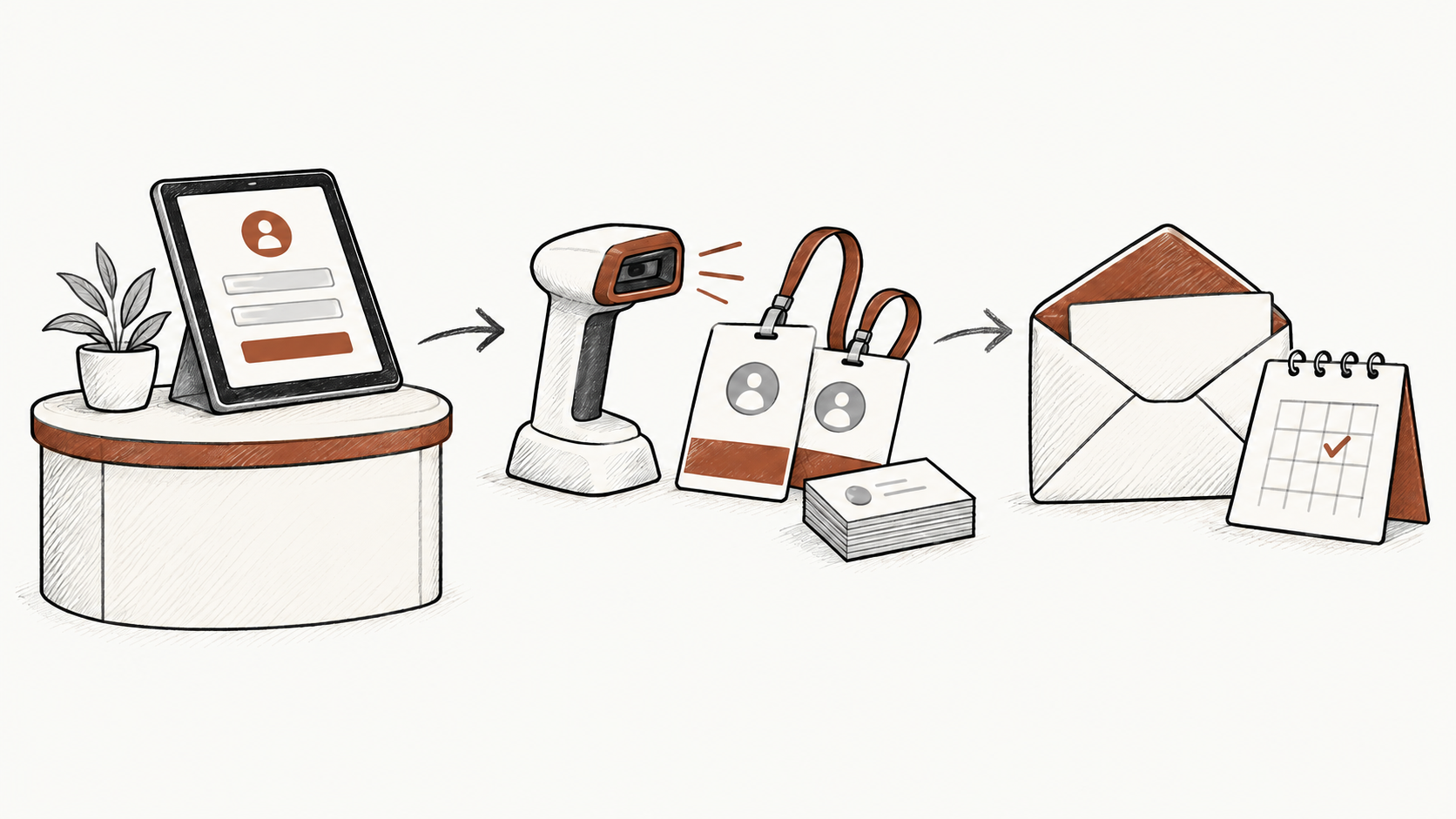
Heading into a trade show without a plan is like sailing without a map.
You might get somewhere, but it won’t be anywhere meaningful. I’ve seen even the most carefully designed booths struggle because of poor preparation.
With so much on the line, asking the right questions beforehand can make all the difference.
Most experienced exhibitors know this, but reminders never hurt.
We’re here to line up your questions and priorities before the big day.
Today I want to talk about the essential questions you should ask before your next trade show.
Key Takeaways:
Outline clear trade show goals aligned with business objectives for effective participation.
Understand your target audience’s needs to tailor booth attractions and communications.
Evaluate budget capabilities to determine feasible exhibit size and scope.
Review exhibit design and technology to ensure setup aligns with brand message.
Consult experienced event staff for insight on managing attendee interactions.
To really make the most of your next trade show, it’s important to go beyond just the basics.
Each section ahead goes deeper into how you can better align your **goals** with your company’s **strategy**.
You’ll find practical tips on understanding your **audience**, managing your **budget**, and creating an engaging **booth** experience.
Lean on the expert advice in these sections to handle any challenges that might come your way.
1. What Are Our Goals?
This first question is simple, yet incredibly important.
When heading into a trade show, your goals should be clearly defined.
Are you looking to raise brand awareness, generate leads, or show a new product?
I think outlining these objectives is like setting a compass point for the event.
Without it, your team might find themselves lost. Having a shared understanding keeps everyone on the same page.
A common mistake is setting too many goals, which can dilute your focus.
Experienced trade show pros often limit themselves to two or three primary targets.
Strong goals lead to smart action plans.
2. Who Is Our Target Audience?
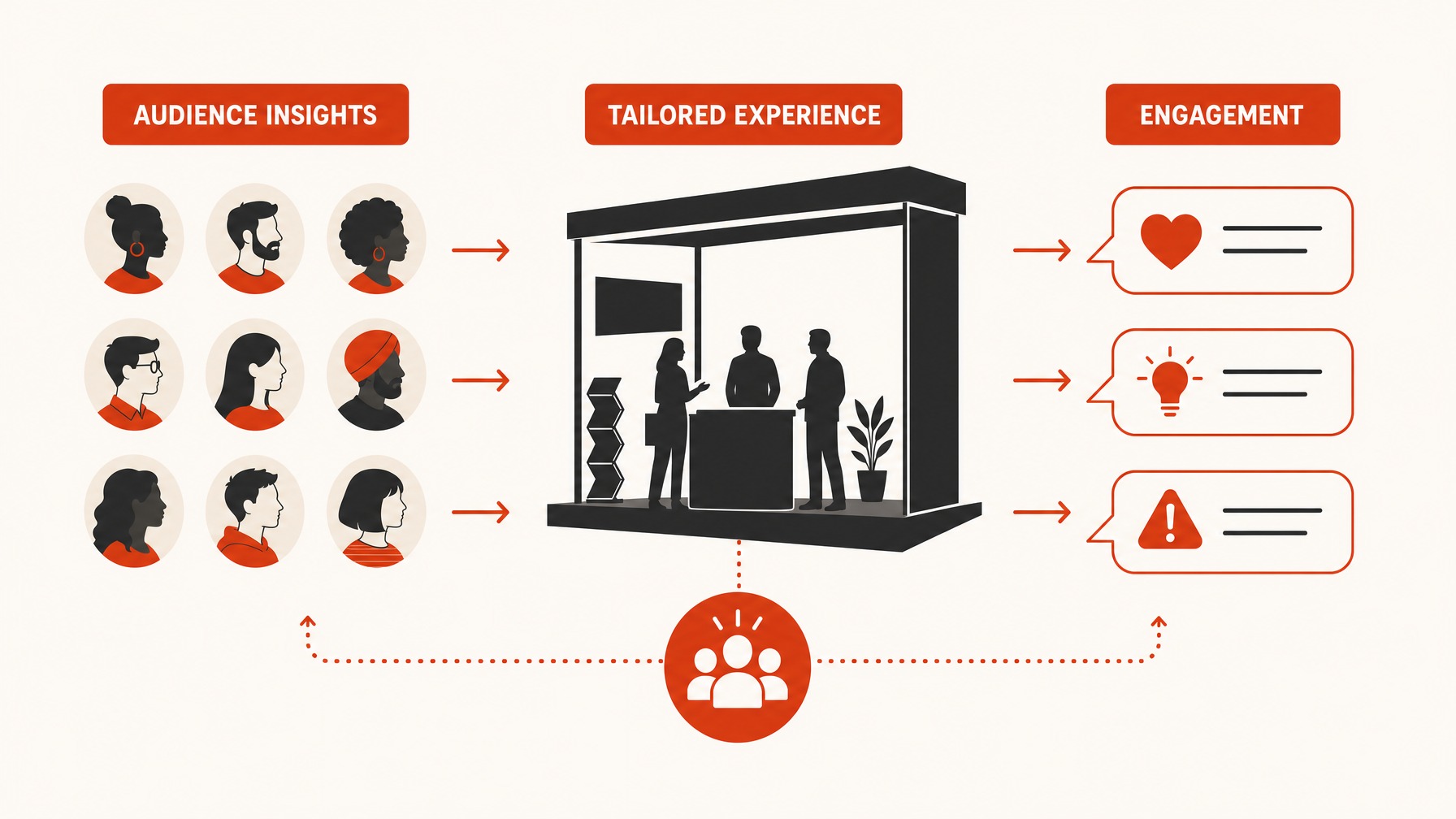
The next step is to get inside the minds of your attendees. Do you know who you are trying to attract?
Knowing your target audience determines how you interact with them.
From what we actually cover at Exhibitant, I’ve seen that exhibitors who tailor their experience to the audience tend to engage them effectively.
It’s like cooking a meal you wouldn’t serve spicy curry to someone who can’t handle heat. Research their needs, interests, and pain points.
Customizing your messaging and visuals makes your booth more approachable.
In turn, this approach leads us neatly to our next point.
3. What Is Our Budget?
Money talks and that includes trade shows.
Determining your budget early on will help in making critical decisions.
I would say one thing that pops up often is unforeseen expenses sneaking up on you.
Budget constraints can affect everything from booth size to giveaways.
It’s always helpful to build in a buffer for unexpected costs, much like a safety net in a high-wire act.
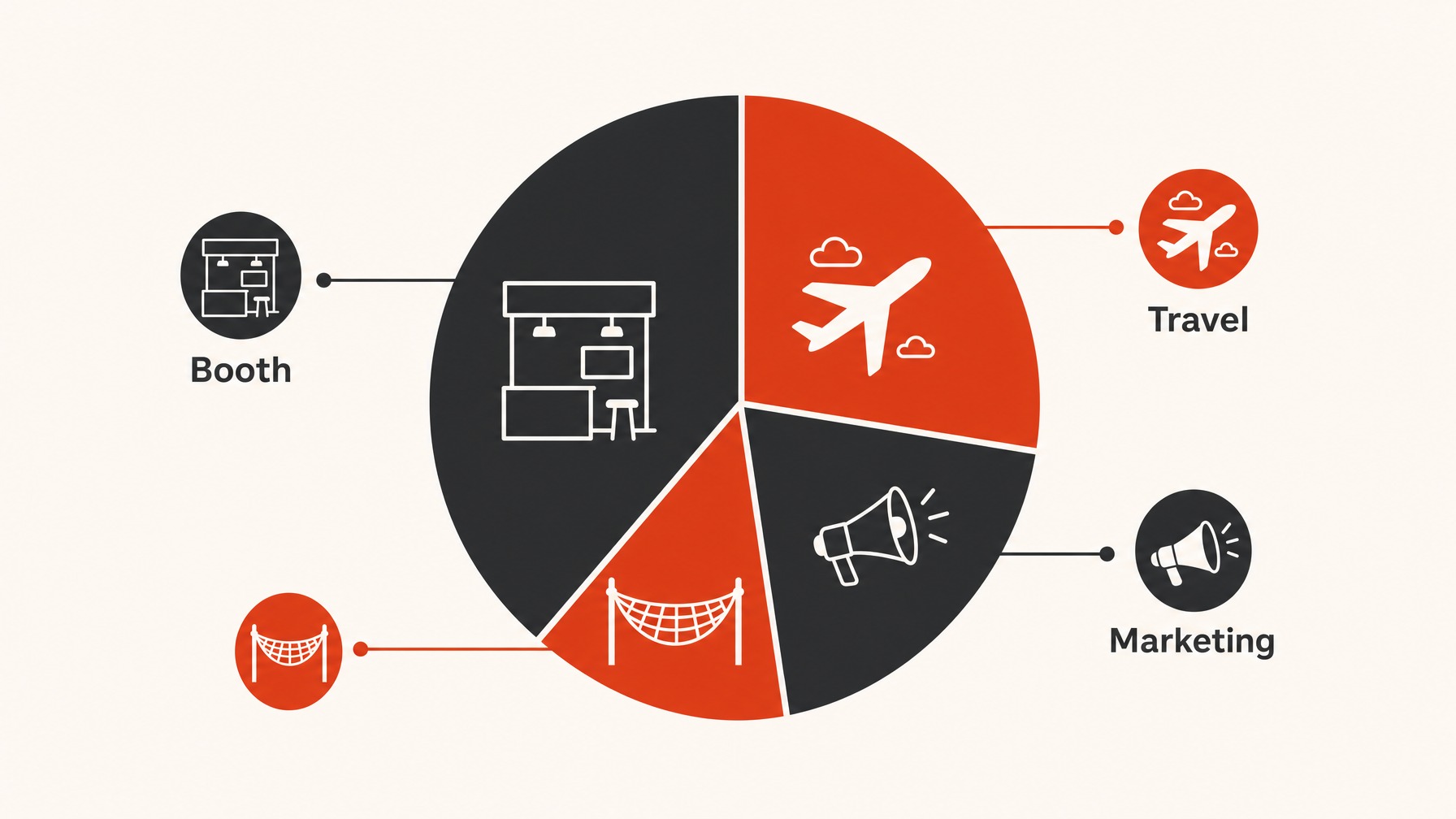
Evaluate all costs, including travel, logistics, and marketing.
An appropriate budget supports your event goals without going overboard.
It’s crucial to allocate funds wisely.
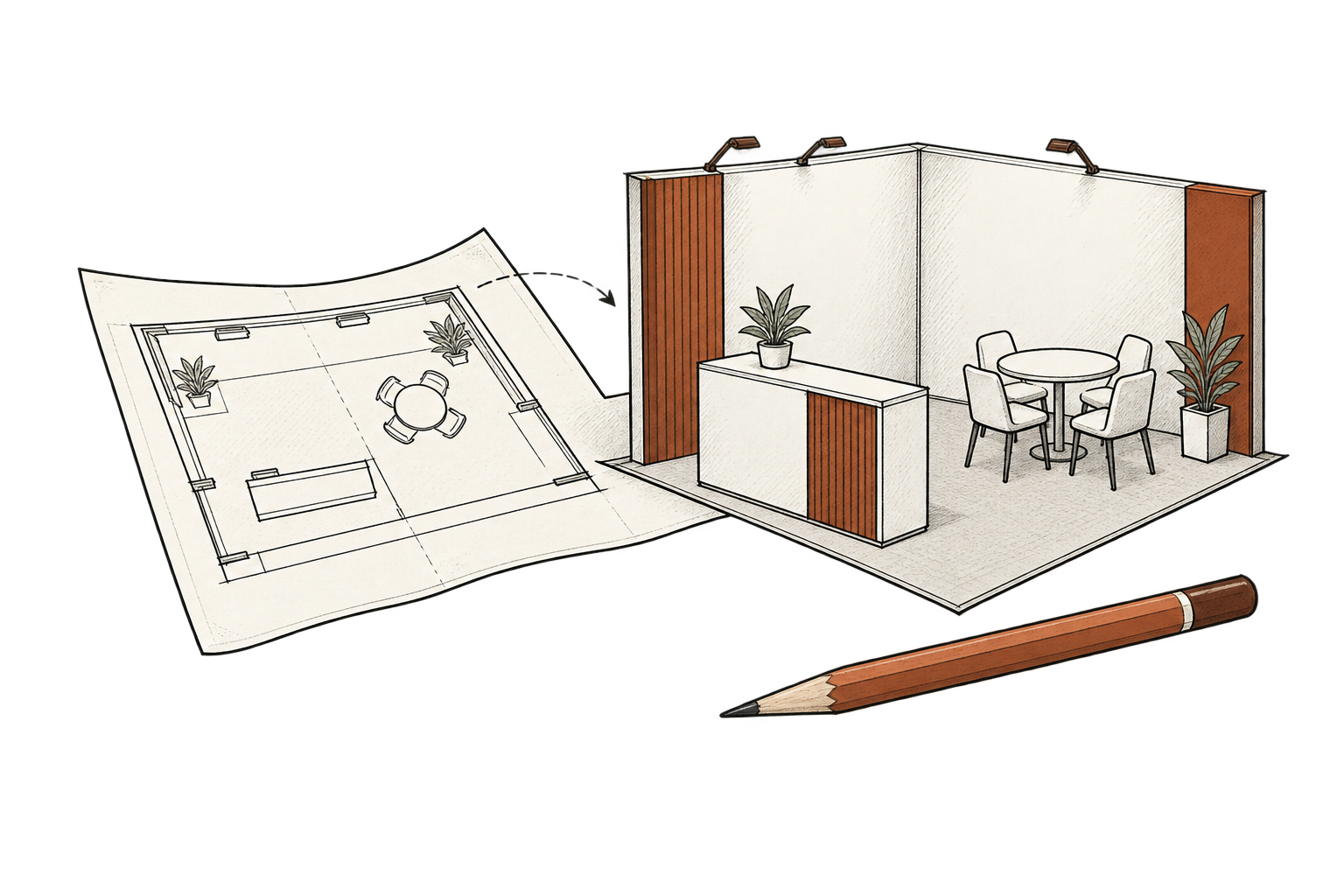
4. How Will We Design Our Booth?
Your booth design is the face of your brand at the event.
Does it reflect what your company stands for?
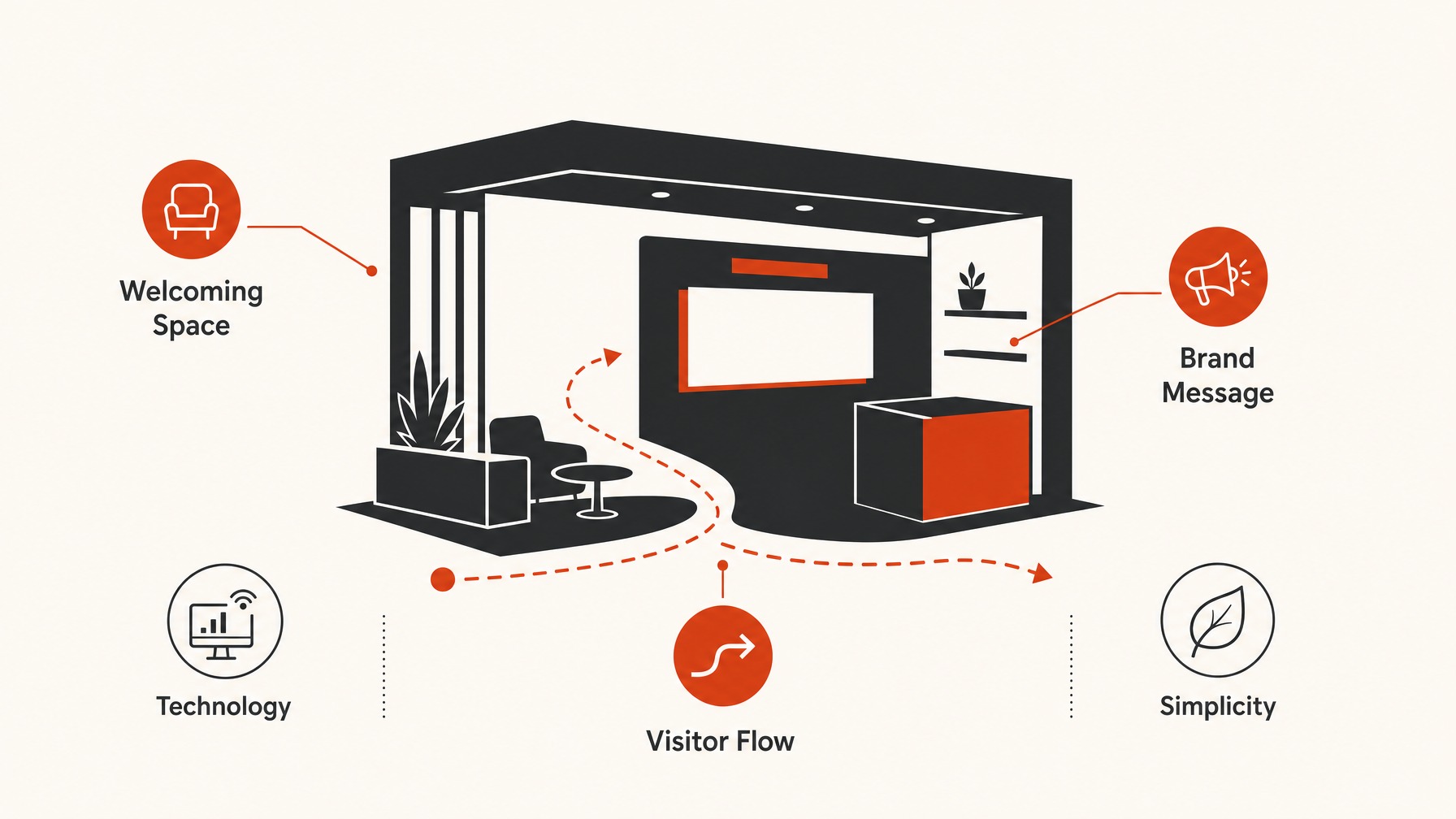
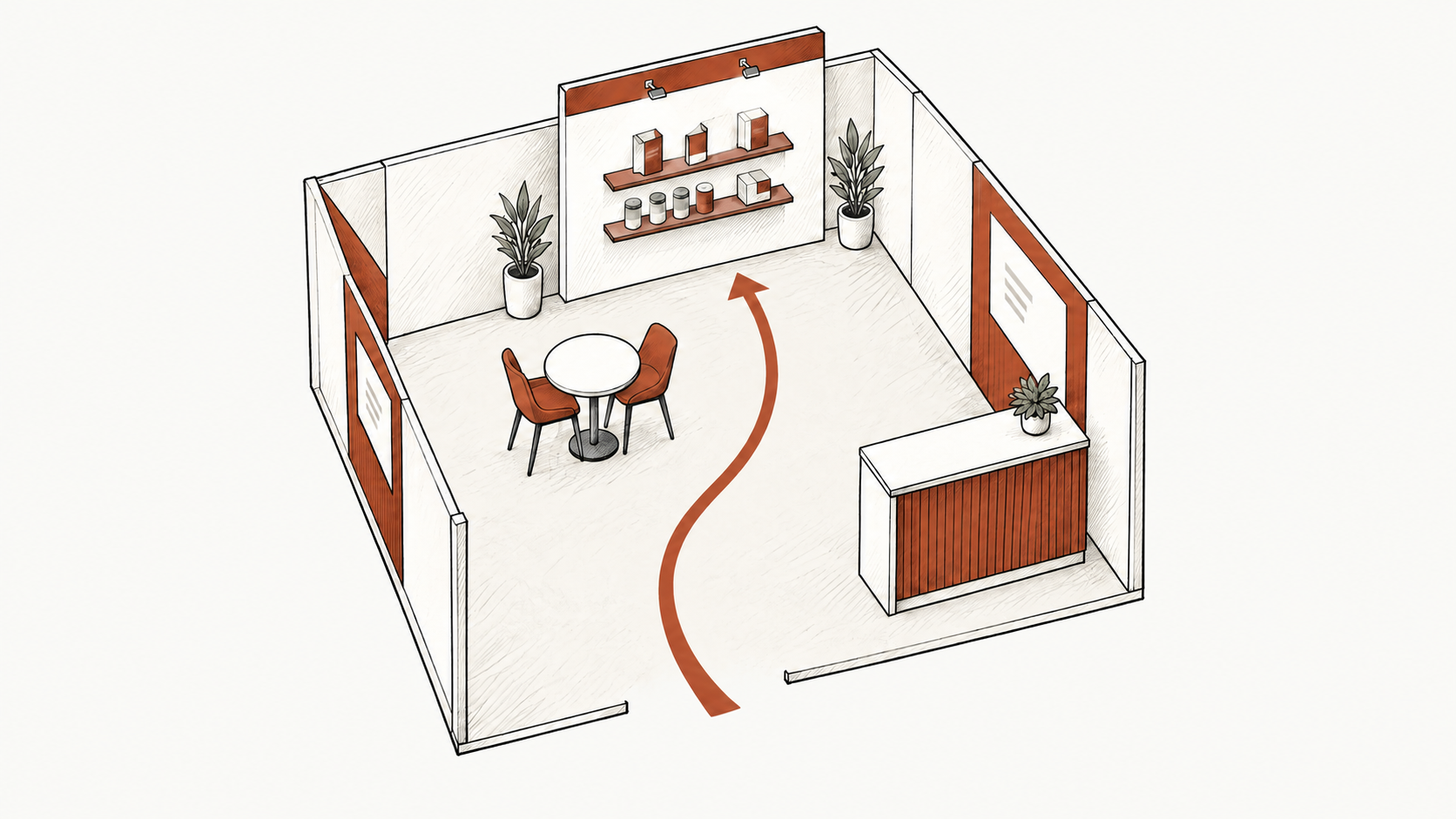
I often hear that striking visuals draw attendees in like a beacon in the night. Plan your layout for easy flow and accessibility.
Use technology to enhance visitor experiences but remember not to over-complicate things.
After all, simplicity often trumps complexity in hectic environments.
Your booth should provide a welcoming and informative space.
Compelling design communicates your brand message instantly. It’s a silent sales representative when you’re not around.
5. Which Staff Members Are Attending?
The people behind your booth bring your brand to life.
Who will be the most effective in engaging your prospects?
Choosing the right team feels like creating a recipe every ingredient or person plays a critical role.
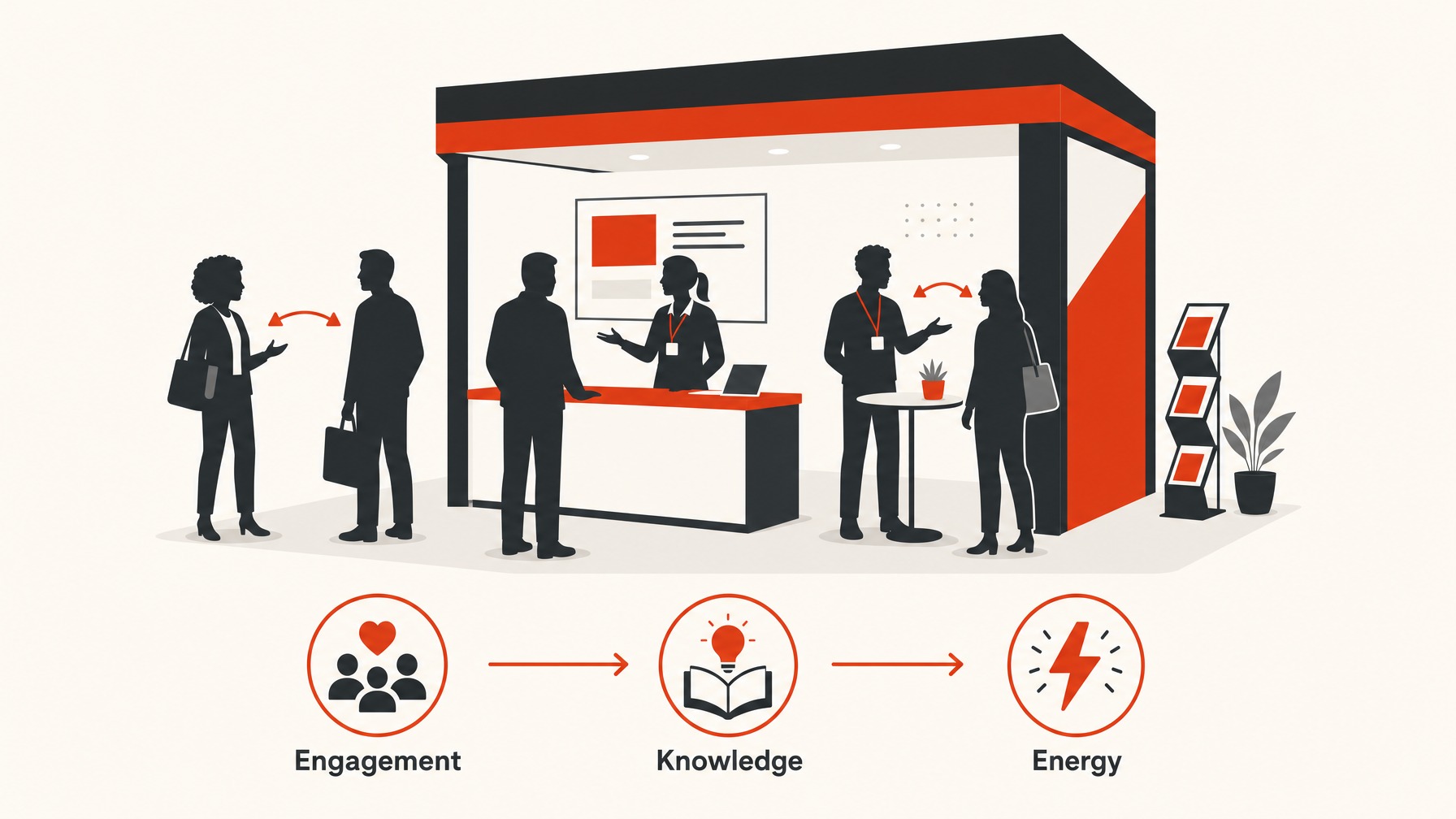
I would say experienced staff who know how to handle different types of visitors are invaluable.
Team members should be knowledgeable, energetic, and aligned with your goals.
Training sessions can fine-tune their skills and elevate the experience.
Ultimately, having the right team can be the difference between a successful show and a missed connection.
Exhibitant acts not as just a display vendor, but a true trade show partner offering expert exhibit strategy and staffing support.
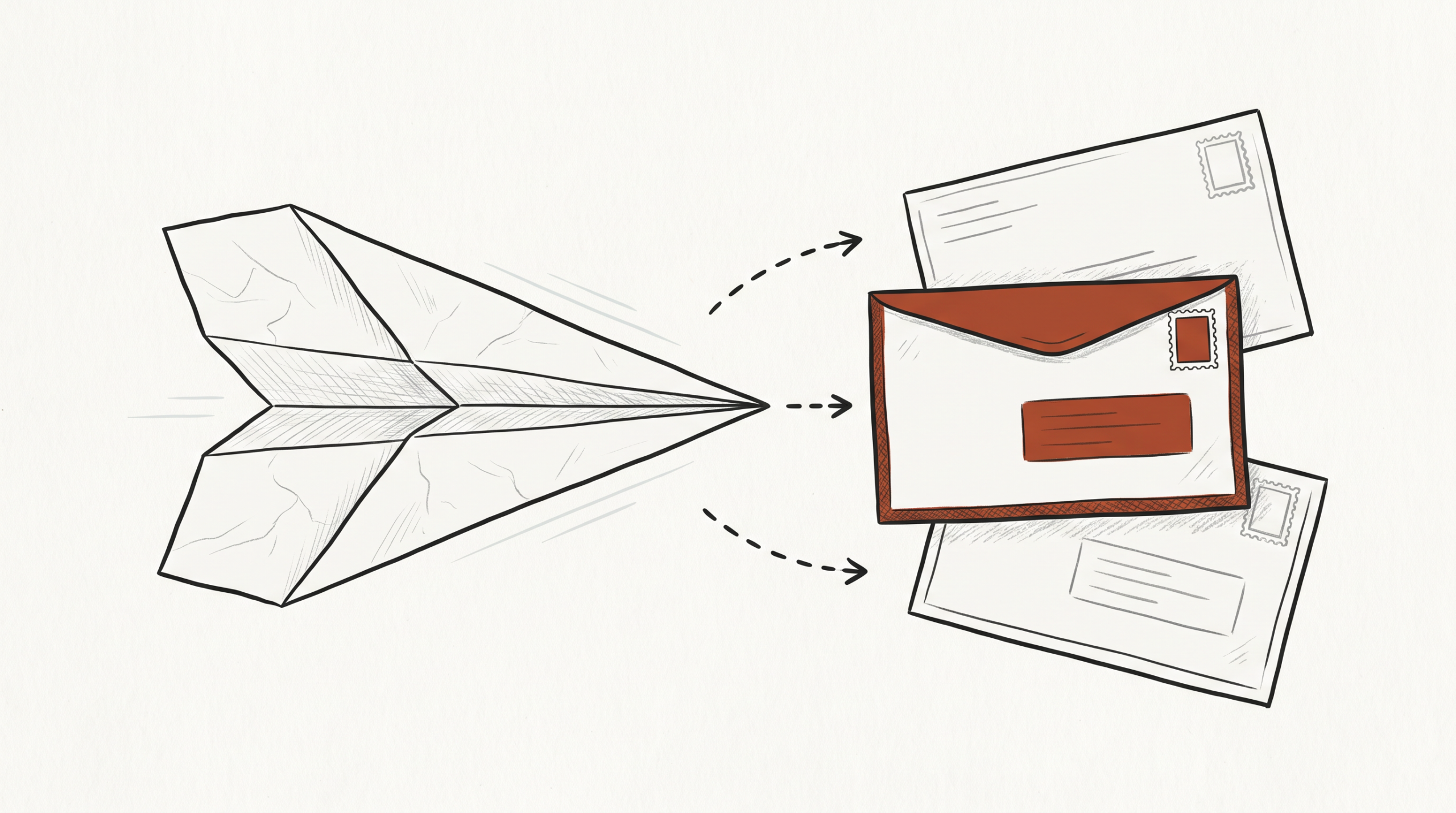
6. What Is Our Follow-up Strategy?
I can’t stress enough how important follow-up is. Without a post-show plan, your time at the event might as well sink like a stone.
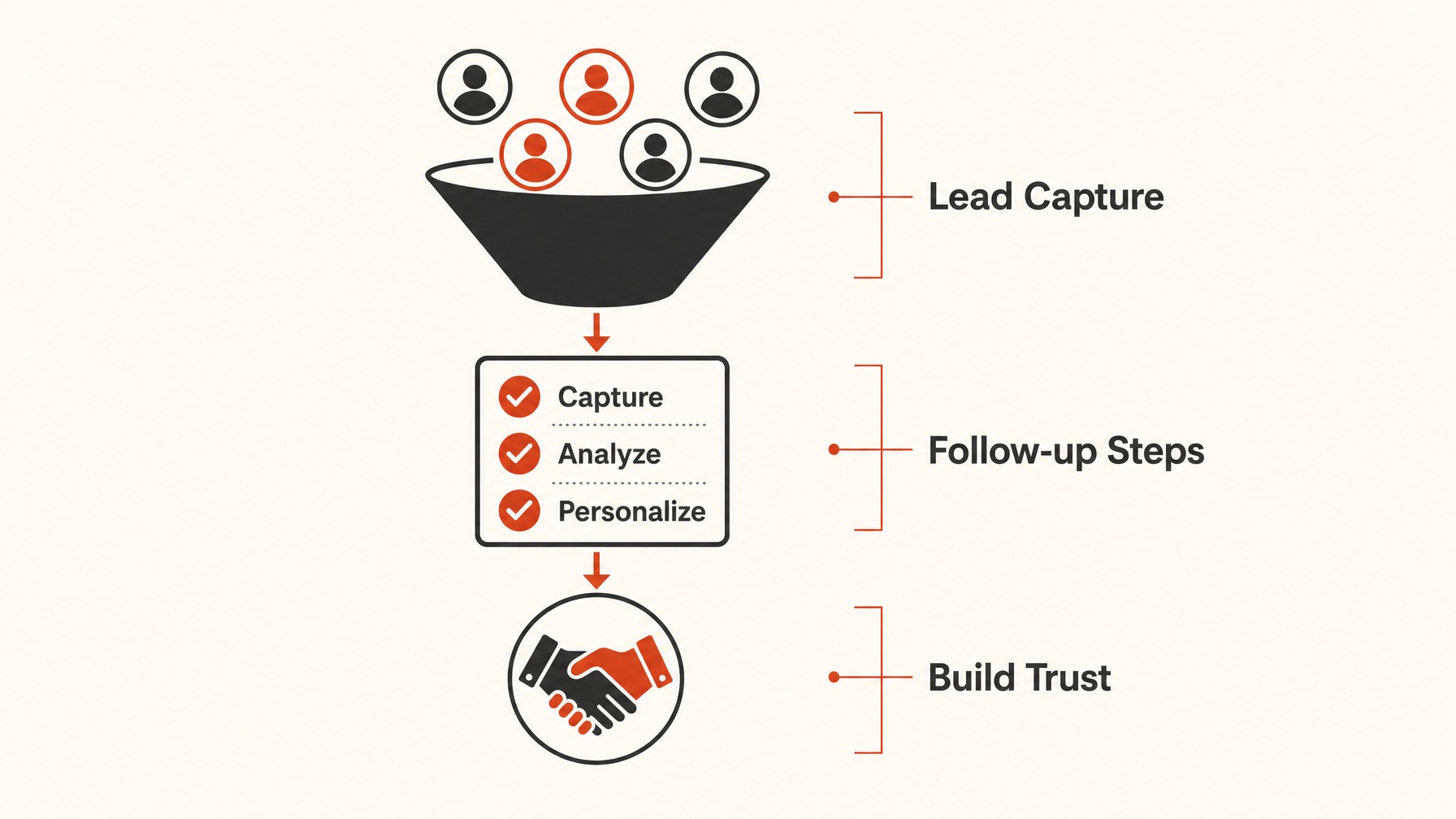
The best strategies involve having a clear process for capturing and analyzing leads.
Automation tools can help to simplify this labor-intensive task.
However, personalized follow-up often works better than generic messages. Each lead is a chance to build relationships and keep your brand in their mind.
A successful strategy tells attendees that you value their interest.
And that ultimately builds trust for future deals.
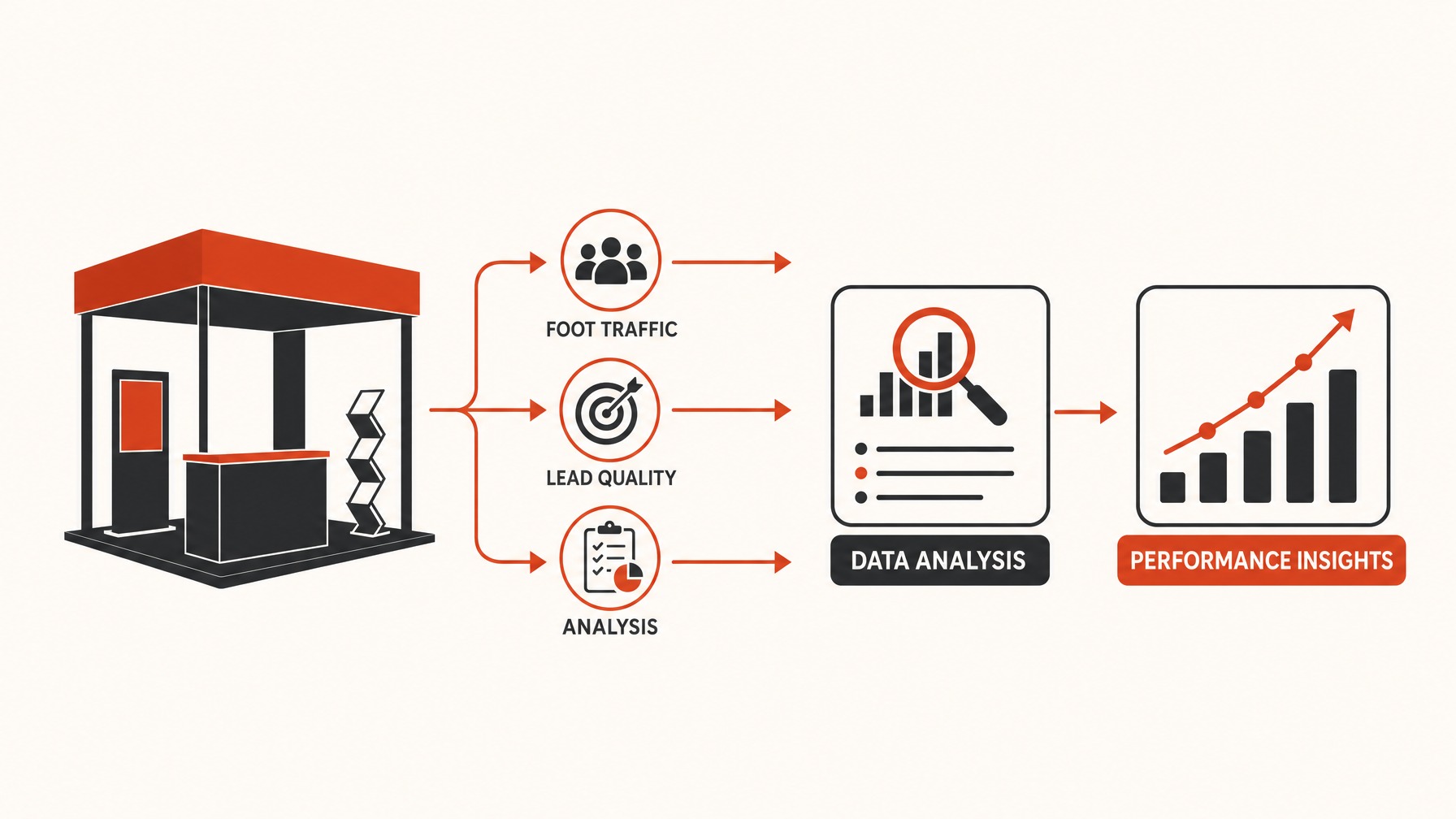
7. How Will We Measure Success?
Evaluating your performance is as important as executing it.
How will you know if your trade show was a triumph?
It’s essential to define success metrics before setting foot on the show floor.
Measure everything from foot traffic to the quality of leads gathered.
Looking at these metrics is like reading a story about your event performance.
Was there a strong narrative arc?
Did your expectations align with reality? I would say, once the data comes in, take time to analyze what went well and what didn’t.
These insights will guide your future exhibitions, shaping more successful outings.
The Bottom Line
Preparing for a trade show is a comprehensive process that involves more than just setting up a booth. It’s about aligning goals, knowing your audience, and being clear about your budget.
There’s a reason seasoned exhibitors always go over these essential questions before every event. Evaluating each of these aspects will support your overall strategy.
Just like any other successful endeavor, meticulously planning each element helps avoid hiccups when it counts. Your success doesn’t solely depend on luck or chance but on thoughtful preparation and execution.
Bringing it all together, these insights lay the foundation for achieving your trade show objectives. Whether you’re looking to capture new leads or make a bold statement, being prepared makes all the difference.
Need a booth plan?
Turn show goals into a practical exhibit path
Share your footprint, timeline, and priorities. Our team can help shape the booth direction, graphics, and project support.
Keep planning
More exhibit guidance
Keep exploring practical advice on booth planning, marketing, and getting more from your next show.
Tell us about your business, the buyers you want to reach, and what you want to achieve. Whether you need more sales conversations, stronger marketing, or a trade show presence, we’ll help you identify where to focus and what support makes sense. Together, we can shape a practical plan around your priorities, budget, and timeline.
 Louie J.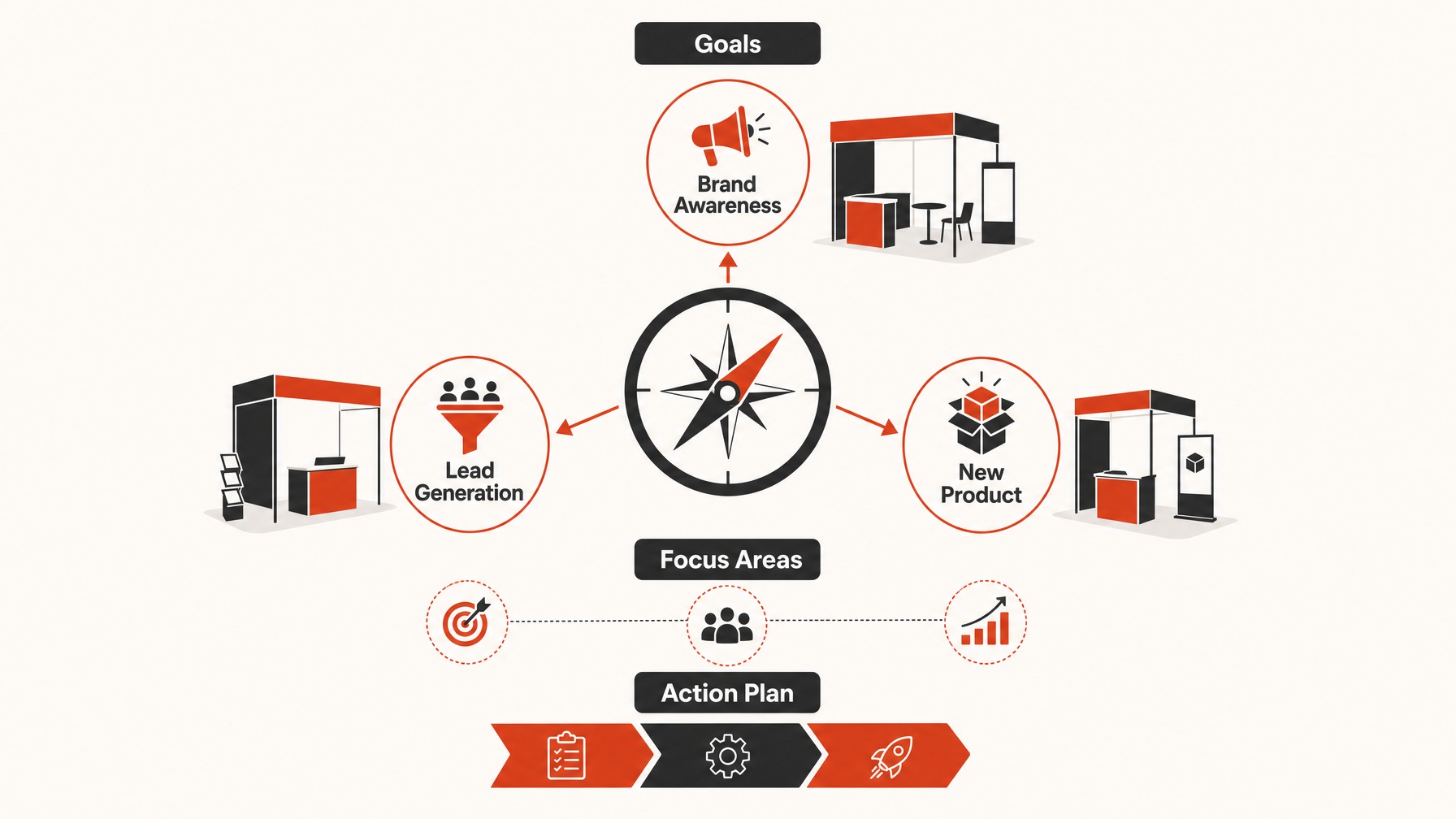
 Lorena G.