 Lorena G.
Choosing the right booth size is like finding the perfect shoe; too small, and you’re cramped, too large, and you might feel overwhelmed. Each booth size has its own characteristics and implications on your overall strategy.
Let’s explore into how you can hit the sweet spot by picking the correct size for your goals.
When stepping into a trade show, your booth size can be your greatest asset or a missed opportunity. I mean, why risk standing out for the wrong reasons?
Your selection should serve both functional needs and marketing objectives. After all, size influences everything from logistics to customer engagement.
The art of selecting the right booth size involves more than just physical dimensions. It’s about crafting an experience that effectively communicates your message.
Stakeholders across different sectors in your company must align on what that message is. This alignment helps ensure you meet strategic expectations on the show floor.
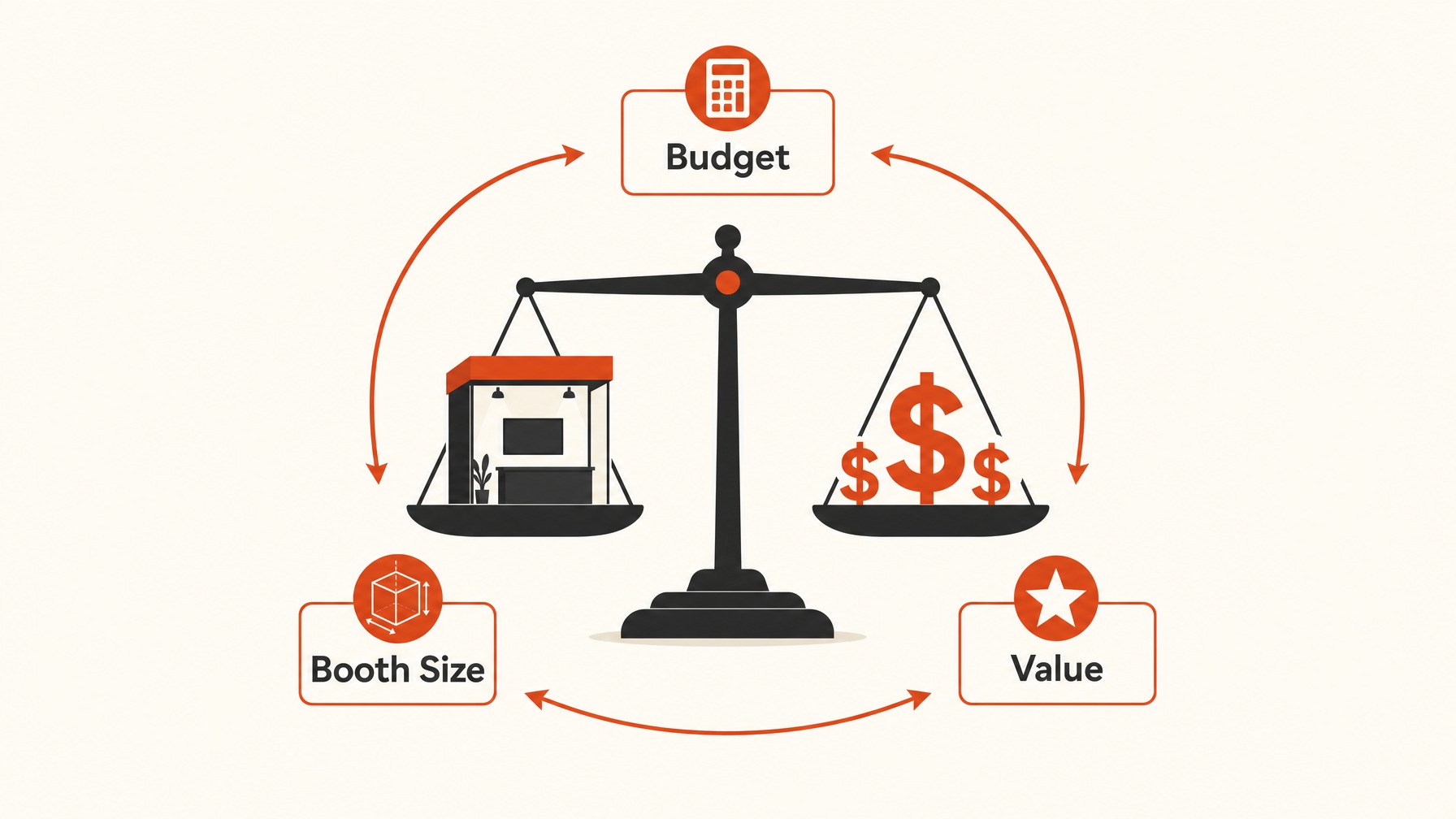
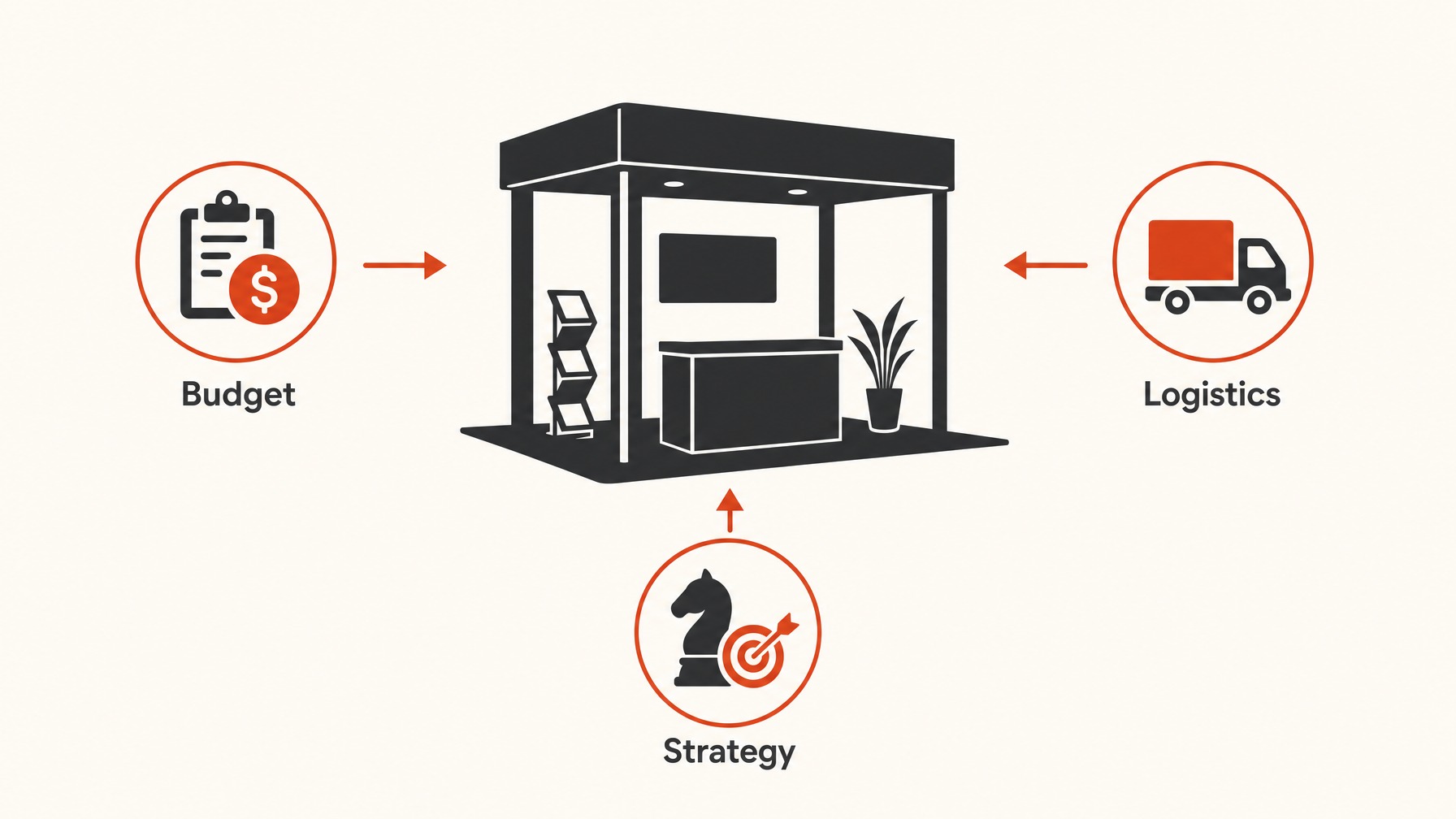
Another critical point is that your booth’s size affects your budget and ability to implement creative ideas. You don’t want to overspend only to realize later that you missed some key features that could have turned heads.
The goal is to find a balanced approach where your booth size supports every other aspect of your exhibiting strategy.
- Consider space limitations and foot traffic when choosing booth size.
- Align booth size with your organizational goals and marketing strategy.
- Factor in budget constraints without compromising key elements.
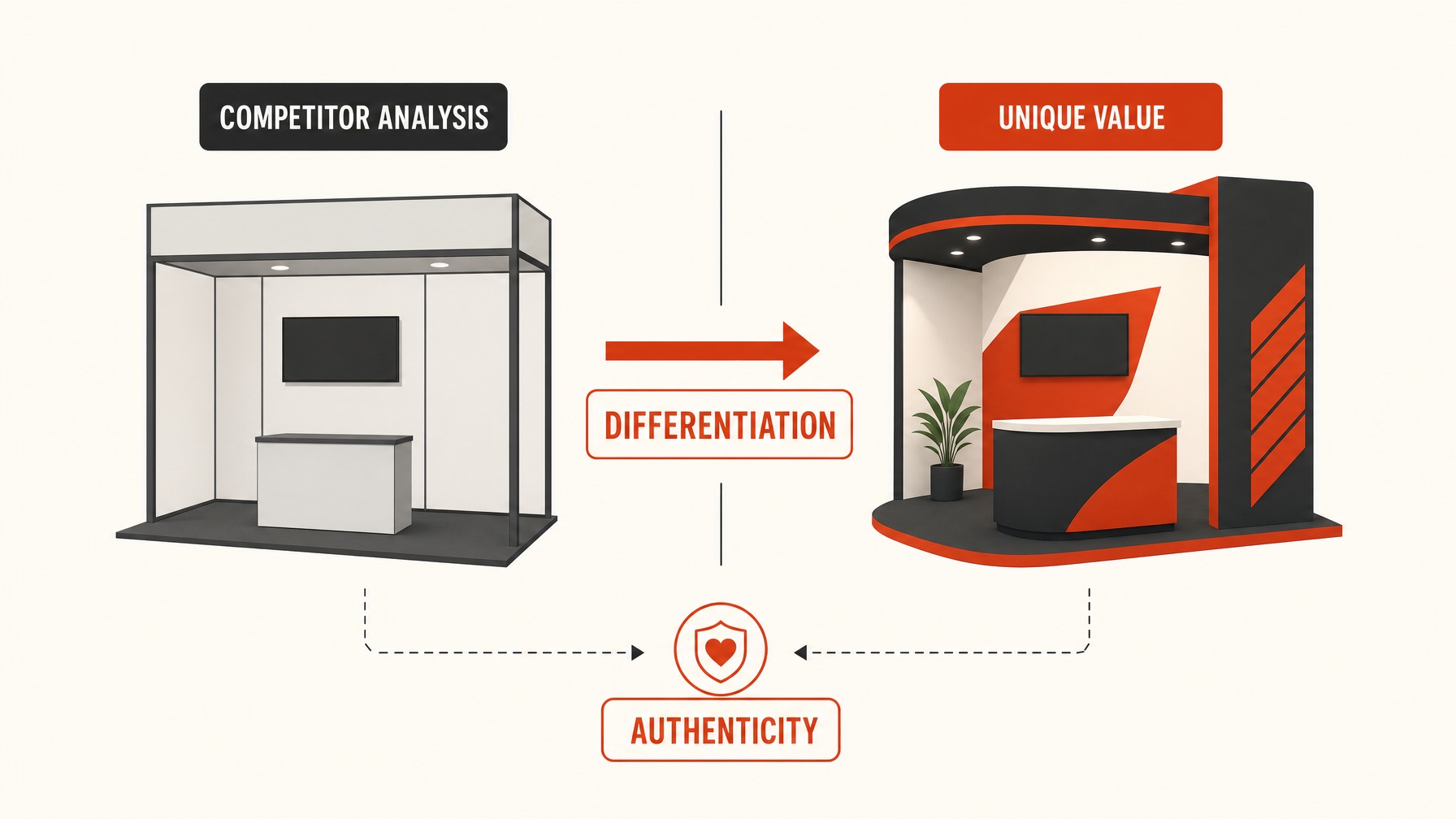
- Evaluate competitor booth sizes to stay competitive and relevant.
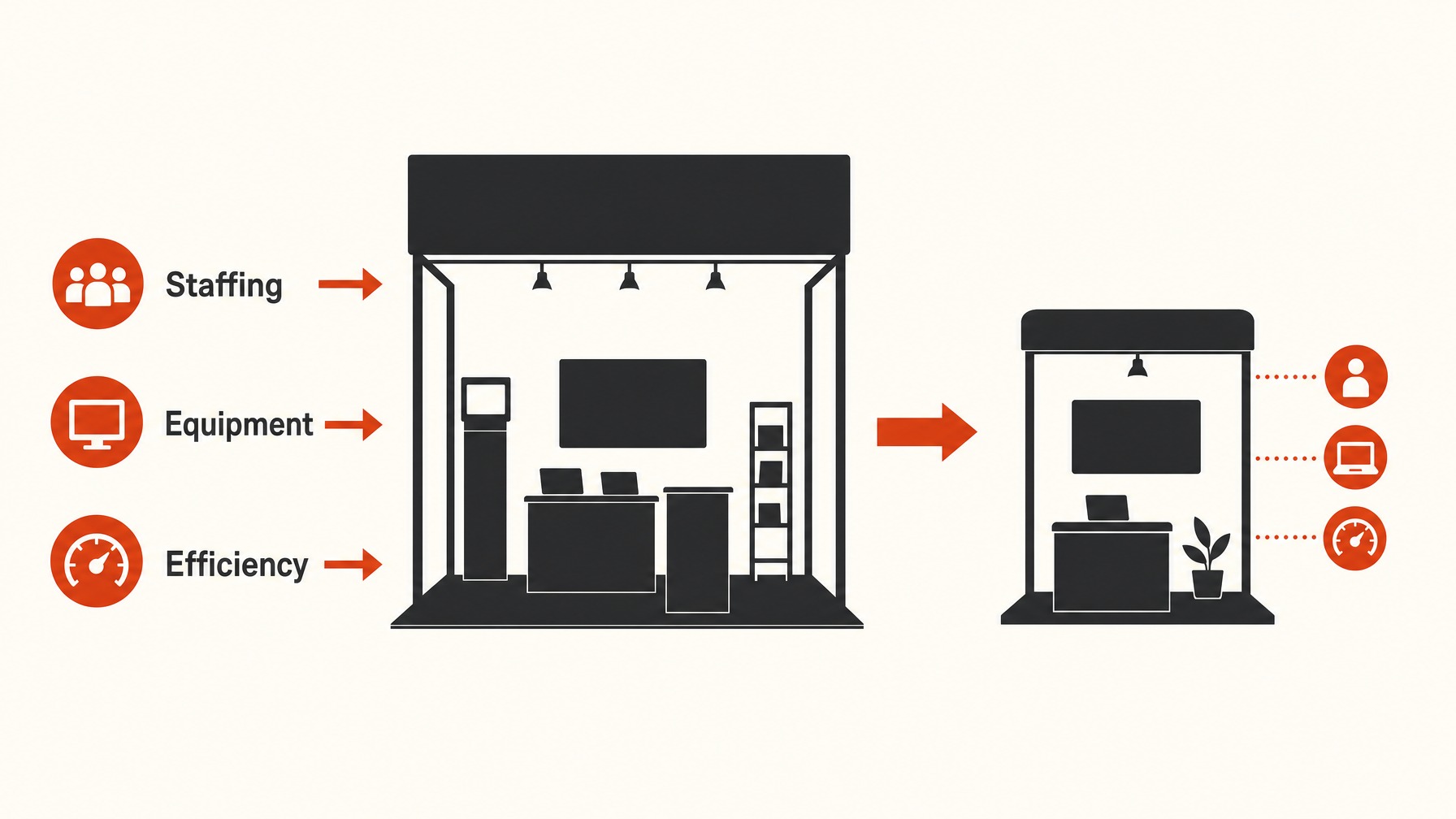
- Assess the logistical needs for staffing and exhibits.
As you start thinking about your booth size, you’ll find more than just a list of factors to consider; we’re diving into the core reasons why these factors truly matter.
We’ll explore how each element can uniquely impact your trade show experience and ultimately shape the success of your exhibition.
You’ll gain insight into aligning practical decisions with strategic goals, which is crucial for optimizing your booth’s effectiveness.
Stay with us to uncover actionable guidance and nuanced details that could make all the difference in your trade show planning.
1. Foot Traffic and Space Limitations
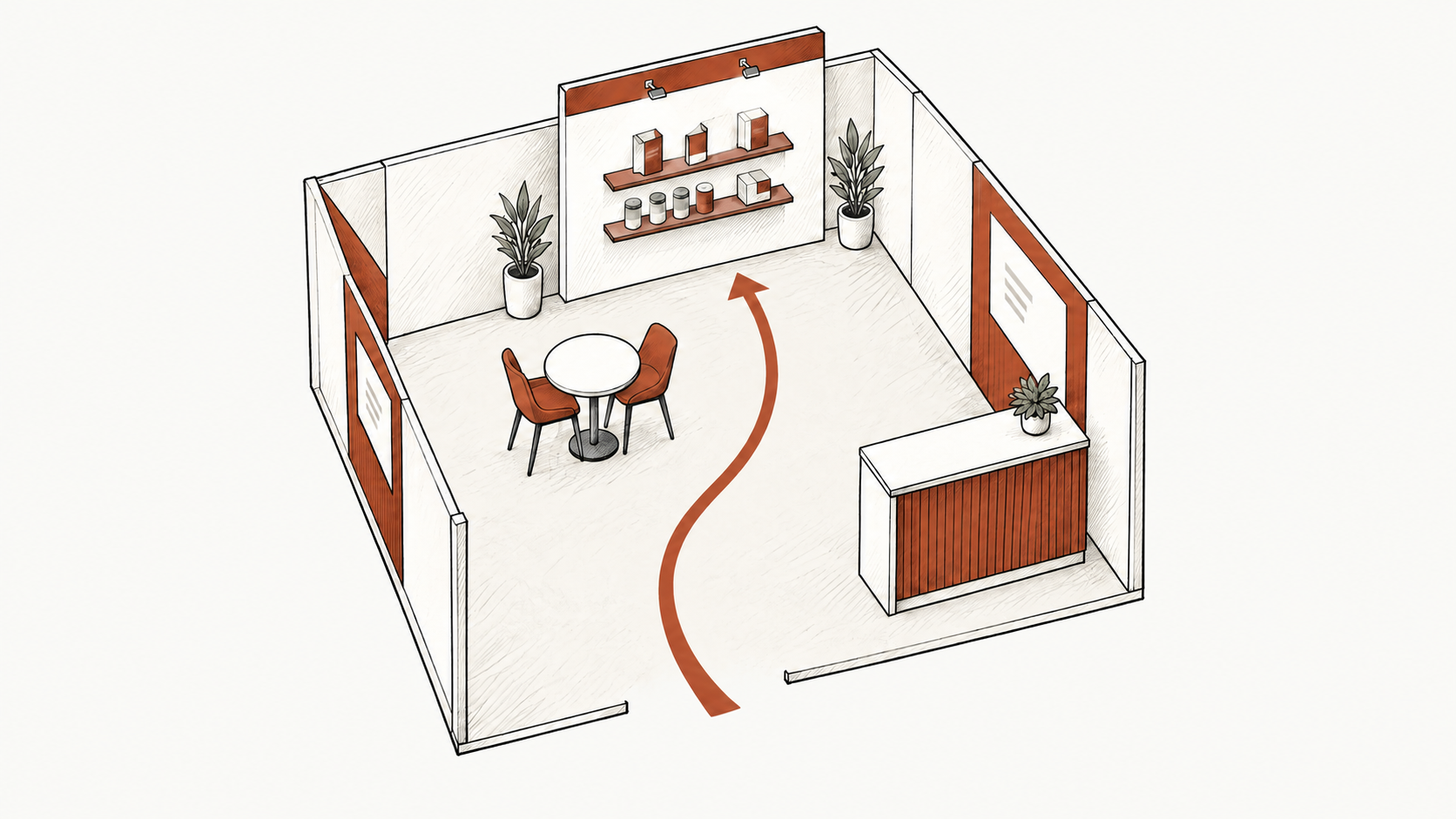
Trade shows can be bustling places with potential customers walking every which way, much like a busy city street. Choosing a booth size requires attention to the flow of foot traffic and allocated space within the venue.
Both factors are crucial for visibility and accessibility.
Here’s where I would say a bit of research goes a long way. Familiarize yourself with the layout of the venue and the typical flow of attendees during the event.
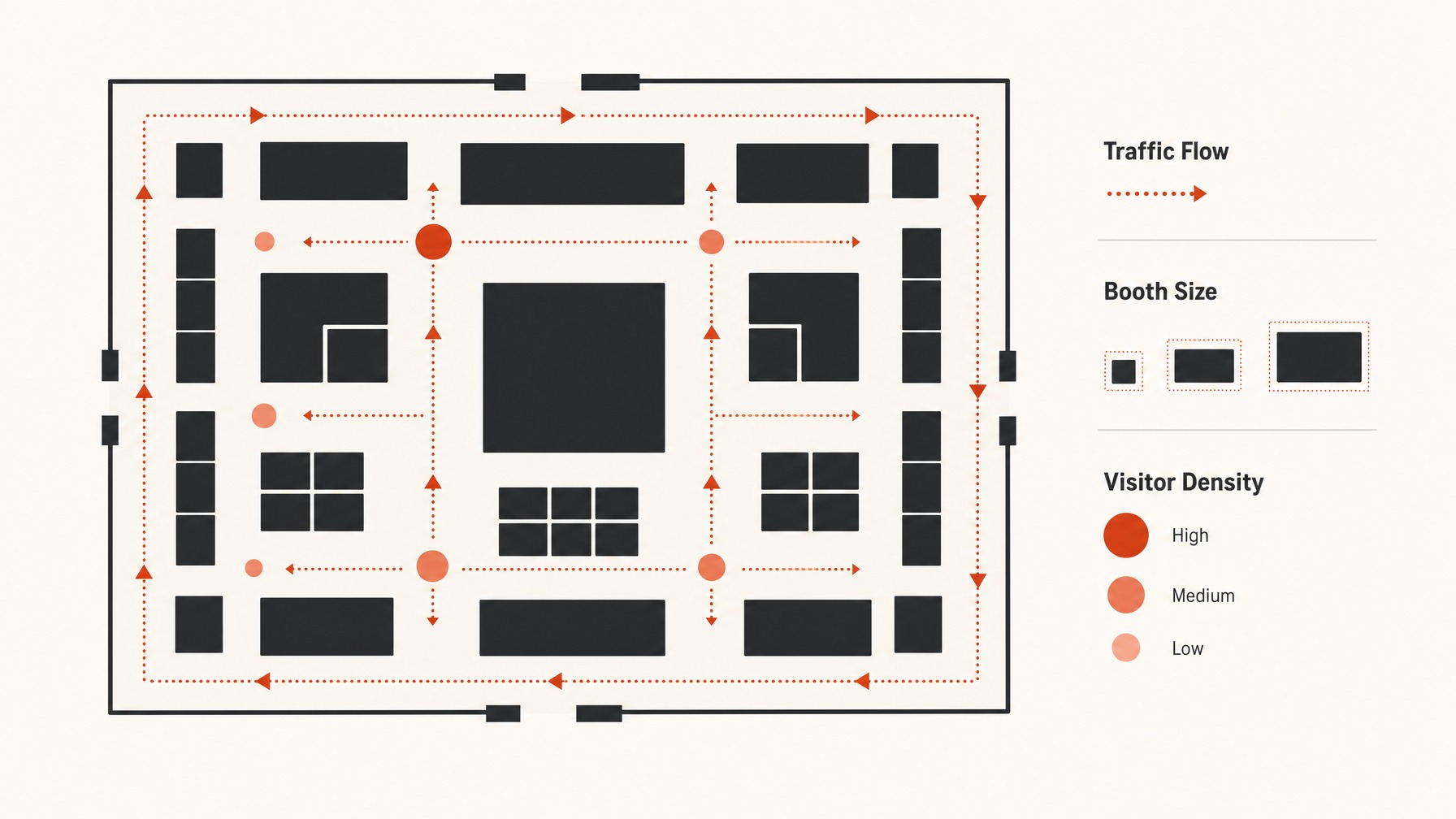
You might find that certain areas gain more attention, making a larger booth more practical in those spaces.
Sometimes, I’ve found smaller booths work wonders in tighter areas with consistent traffic, maximizing both budget and visibility. However, if your brand aligns more with exclusivity or requires space for demos, larger booths may suit better.
Understanding these nuances can help in decision-making.
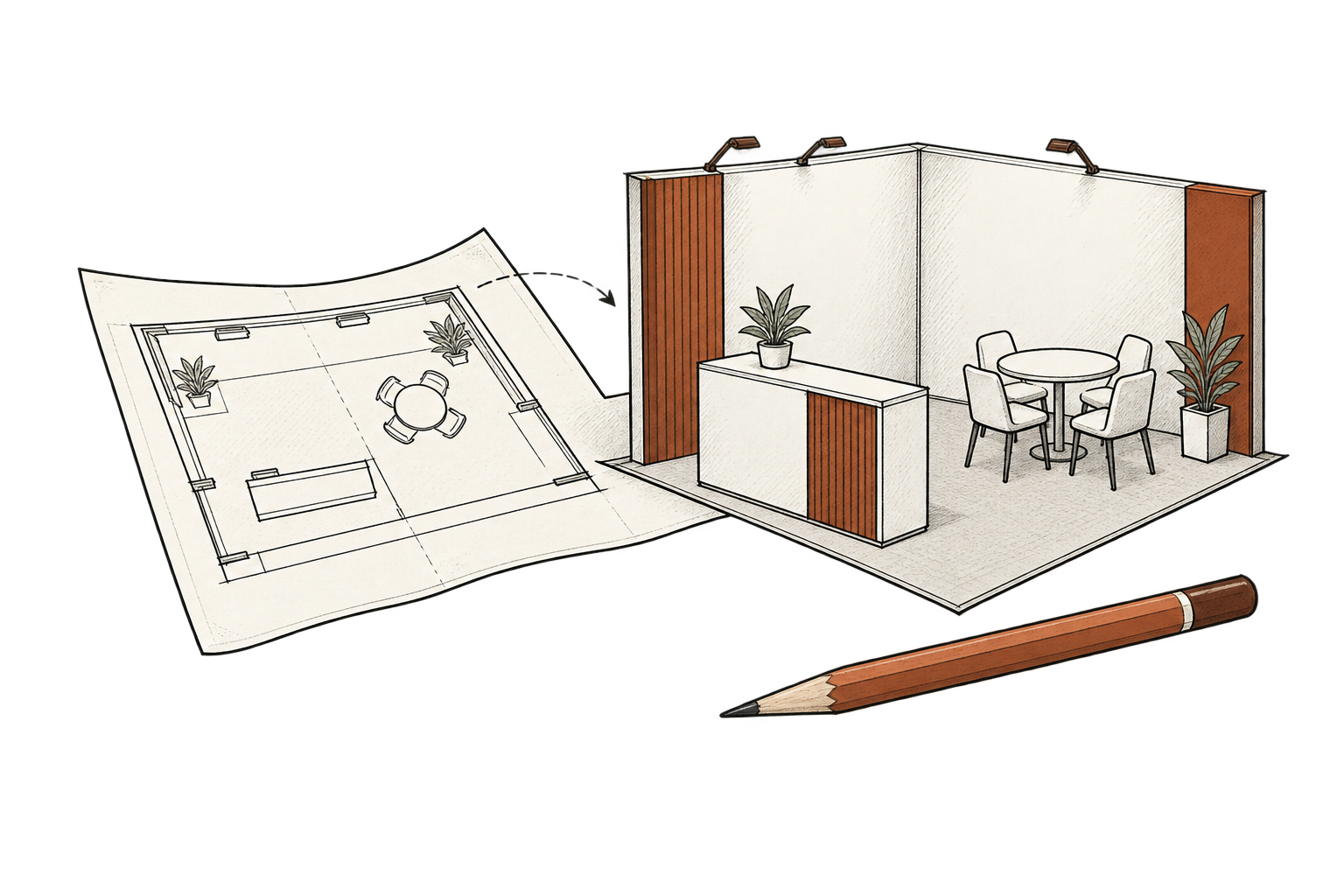
When it’s all said and done, space constraints can be your guide as you plan the booth design. It’s helpful to visualize how attendees will navigate and interact within the space you choose.
Your booth can be a destination itself if strategically positioned.
2. Organizational Goals and Marketing Strategy
Your booth size should directly reflect your organizational objectives and current marketing strategies. It’s like that moment when what you wear perfectly matches the event mood, expressing your brand coherently and efficiently.
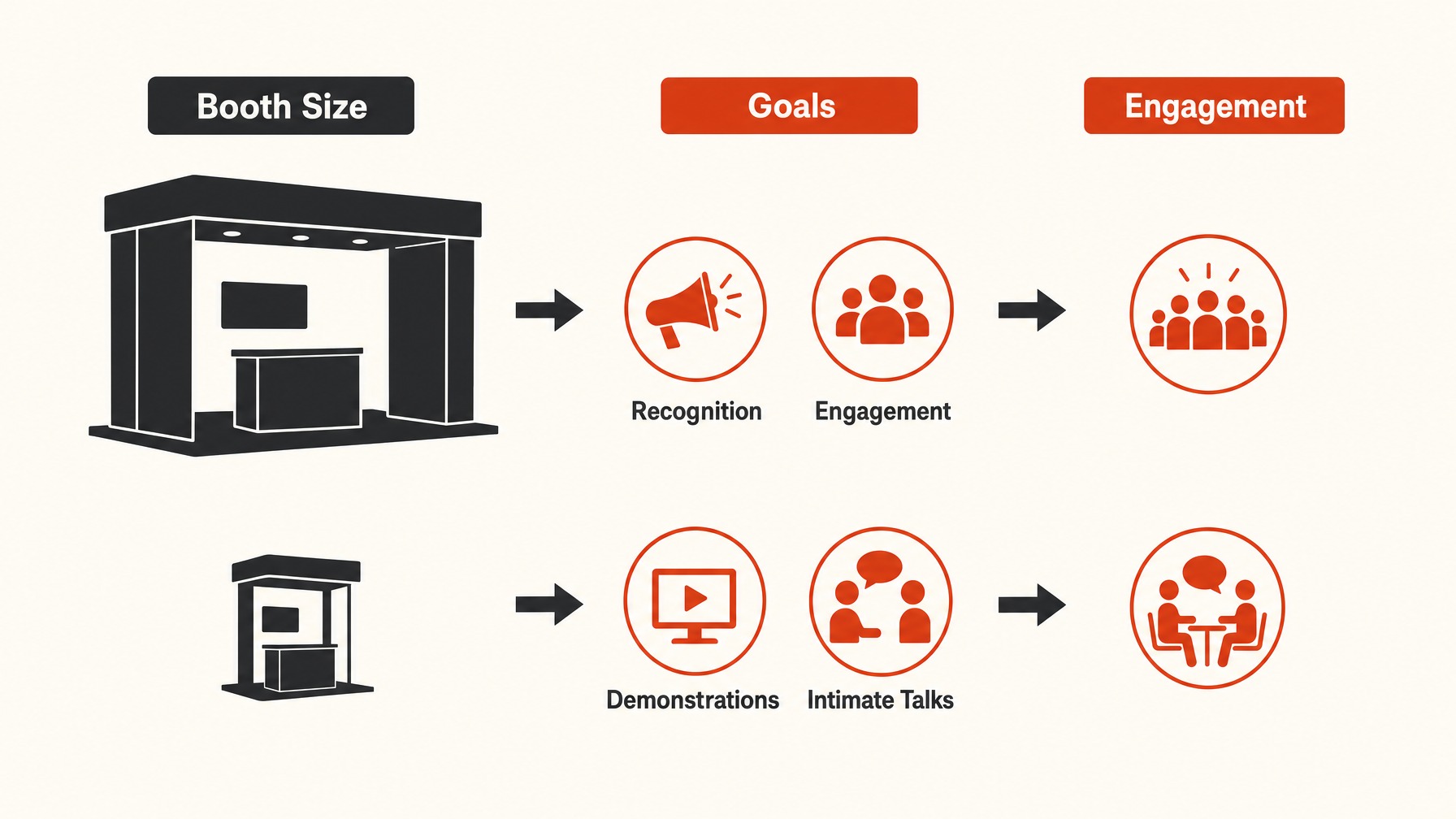
Think about what you wish to achieve with your presence at the trade show. Bigger booths often allow for activities that draw in attendees, while smaller booths can focus on more intimate, targeted engagement.
Aligning booth size with intentions impacts both immediate and long-term goals, such as brand recognition and lead generation. I once saw a small booth that expertly executed specialized demonstrations, pulling in curious visitors without needing expansive space.
Incorporating your marketing team early in the planning enhances strategic alignment. They can provide insights on messaging and branding that sometimes get overlooked.
Ultimately, a cohesive approach ensures the booth size you choose reflects your overarching company theme and desired market influence.
While it might seem enticing to opt for the most prominent space available, think if it serves your actual goals effectively. Sometimes, less can genuinely be more when your strategy is highly focused.
 Louie J.